
7 Health Benefits of Soursop Tea
Herbal teas have long been valued for their ability to nourish the body, calm the mind, and support natural wellness. Among the many traditional herbal drinks, soursop tea, made from the leaves of the soursop tree (Annona muricata), has gained global attention for its unique flavor and potential health benefits. Native to tropical regions of the Caribbean, South America, and Africa, soursop tea has been used in folk medicine for centuries as a remedy for a wide range of conditions.
Modern research is beginning to explore what traditional practices have suggested all along: soursop leaves are rich in bioactive compounds such as acetogenins, alkaloids, and polyphenols, which may support antioxidant activity, immunity, and metabolic health (1). While more human studies are still needed, the tea is widely enjoyed not only for its smooth, earthy taste but also for its reputation as a natural tonic.
In this article, we will explore seven evidence-informed benefits of soursop tea, along with its nutritional profile, preparation methods, and potential side effects to keep in mind.
What is Soursop Tea?
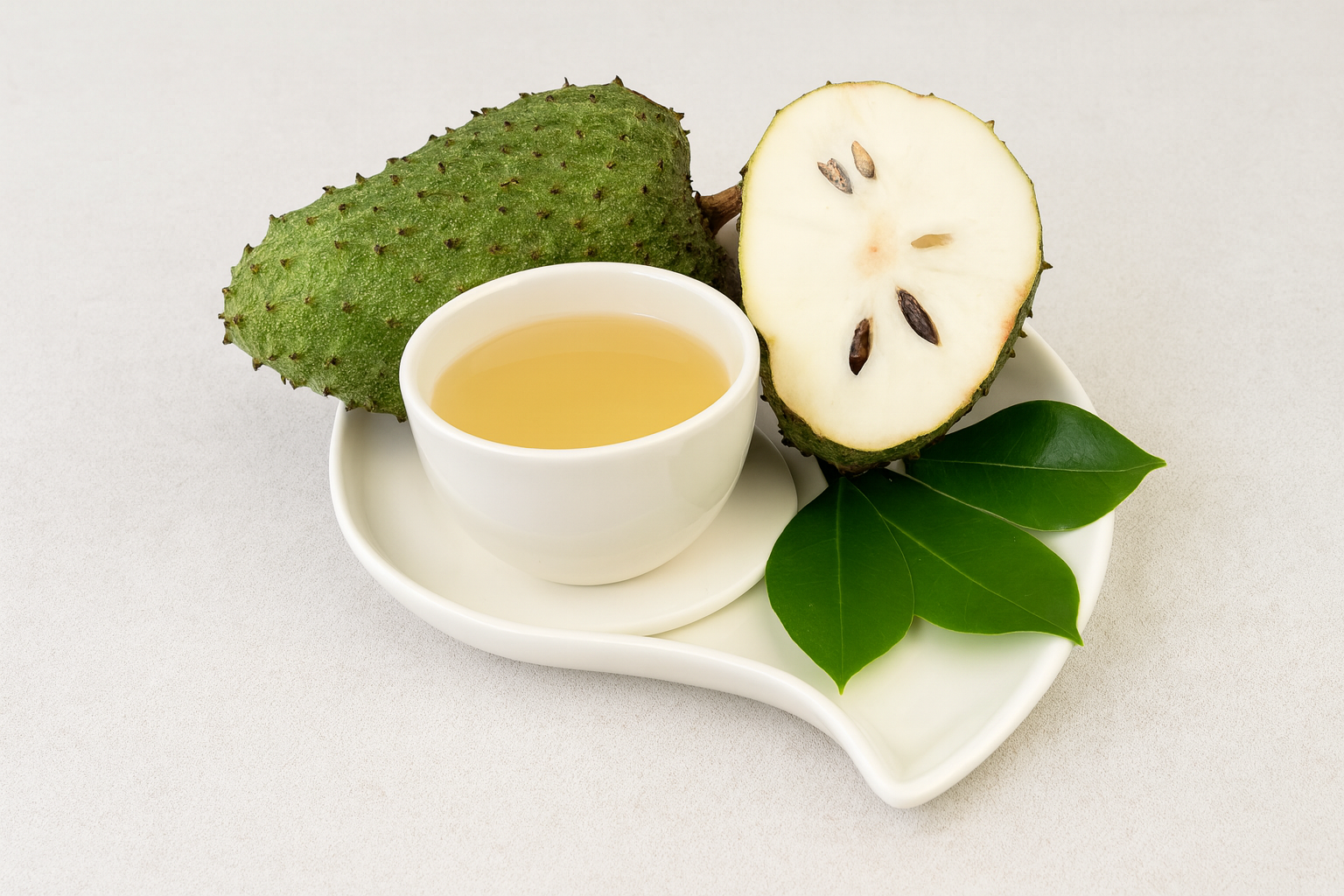
Soursop tea is a traditional herbal infusion made from the leaves of the soursop tree (Annona muricata), a tropical evergreen that produces the large, spiny fruit commonly known as graviola or guanabana. While the fruit is often eaten fresh or used in smoothies and desserts, the leaves have long been brewed into teas across the Caribbean, South America, and parts of Africa as part of folk remedies for relaxation, digestion, and immune health.
The tea itself has a mild, earthy flavor with subtle grassy undertones and a naturally soothing aroma. It is available in different forms, including loose dried leaves, pre-packed tea bags, and homemade versions prepared from freshly picked leaves. Soursop tea stands out among herbal teas because it contains a rich variety of bioactive plant compounds, including acetogenins, alkaloids, flavonoids, and tannins, which are believed to contribute to its health effects (2).
Nutritional and Phytochemical Profile
Soursop tea is valued not just for its calming taste but also for its nutrient-rich composition. The leaves of the soursop tree contain a diverse range of bioactive compounds that contribute to its potential health effects. These include acetogenins, alkaloids, flavonoids, tannins, and saponins, many of which exhibit antioxidant and anti-inflammatory properties.
Additionally, soursop leaves provide small amounts of essential vitamins and minerals such as vitamin C, B vitamins, potassium, magnesium, and calcium. Together, these compounds support immunity, digestion, and general metabolic health.
Key Compounds in Soursop Tea
| Compound/Nutrient | Potential Role in Health |
|---|---|
| Acetogenins | Studied for antimicrobial and potential anticancer properties |
| Alkaloids | May contribute to calming and sedative effects |
| Polyphenols/Flavonoids | Antioxidant activity, protection from oxidative stress |
| Tannins | Support digestive health and reduce inflammation |
| Vitamin C | Enhances immunity and skin health |
| Potassium | Helps regulate blood pressure |
| Magnesium | Supports muscle and nerve function |
Research highlights that the phytochemicals in soursop leaves may play an important role in reducing oxidative damage and promoting overall well-being (3).
7 Health Benefits of Soursop Tea
1. Rich in Antioxidants
Soursop tea is packed with antioxidant compounds, including flavonoids, tannins, and polyphenols. Antioxidants play a vital role in protecting the body against oxidative stress, which can damage cells, accelerate aging, and contribute to chronic illnesses such as heart disease and cancer. By neutralizing harmful free radicals, these compounds help maintain cellular health and resilience.
Studies suggest that antioxidants from soursop leaves may provide significant protective effects for the body’s organs and tissues, making regular consumption of soursop tea a valuable way to support long-term wellness (4).
2. May Support Immune Health
Traditionally, soursop tea has been consumed as a natural immune booster, and modern research provides some evidence to support this practice. Compounds such as acetogenins and vitamin C may help strengthen the immune system by improving the body’s defense against infections. Additionally, the anti-inflammatory properties of its phytochemicals may reduce the severity of common illnesses.
Drinking soursop tea regularly may therefore assist in enhancing immune resilience, especially during seasonal changes when colds and flu are more common (5).
3. Supports Healthy Digestion
Soursop tea has been traditionally used in Caribbean and South American cultures to ease digestive discomfort. The tannins and flavonoids in the leaves may help calm inflammation in the gut, reduce bloating, and support smoother bowel movements. Its mild diuretic effect can also assist in cleansing the digestive system by promoting regular elimination.
By promoting a healthier gut environment, soursop tea may enhance nutrient absorption and contribute to overall digestive wellness. Many people drink it after meals to support digestion and reduce heaviness or gas (6).
4. May Help Regulate Blood Sugar
Some research suggests that compounds in soursop leaves may play a role in supporting blood sugar balance. Animal studies have indicated that extracts from the plant can help lower glucose levels by improving insulin sensitivity and reducing oxidative stress in the pancreas. While more human studies are needed, these findings align with traditional use of soursop tea for managing energy and appetite.
For people seeking natural ways to complement a healthy diet and lifestyle, drinking soursop tea may be a gentle addition to a blood sugar management plan. However, it should never replace medical treatment for diabetes and should be consumed cautiously by those already on glucose-lowering medications (7).
5. Promotes Relaxation and Better Sleep
Soursop tea has been traditionally used as a natural calming beverage. The alkaloids and certain bioactive compounds in its leaves are thought to have mild sedative effects that can reduce stress and anxiety. This calming quality may help prepare the body and mind for restful sleep.
Unlike caffeinated teas, soursop tea is naturally caffeine-free, making it suitable to drink in the evening. Many people report improved sleep quality when they include it as part of a nighttime routine, enjoying it as a soothing herbal remedy for relaxation (8).
6. Supports Weight Management
The antioxidants and phytochemicals in soursop leaves may also contribute to healthy weight management. Studies suggest that compounds in the tea may support metabolism and enhance fat oxidation, which helps the body use stored energy more efficiently. Its potential to regulate appetite and promote digestive comfort further adds to its role in weight control.
While soursop tea is not a miracle solution, it can complement a balanced diet and exercise plan, offering a refreshing, low-calorie alternative to sugary drinks and helping maintain a healthy weight over time (9).
7. Potential Anti-Inflammatory Effects
One of the most studied aspects of soursop leaves is their potential anti-inflammatory activity. Chronic inflammation is linked to many health conditions, including arthritis, heart disease, and certain digestive disorders. Compounds such as acetogenins, flavonoids, and tannins in soursop tea may help reduce inflammatory pathways in the body.
By calming inflammation, soursop tea may ease symptoms such as joint stiffness, muscle soreness, and digestive irritation. While much of the evidence comes from animal and laboratory studies, the traditional use of soursop as an anti-inflammatory remedy aligns with these findings, making it a promising herbal option for long-term wellness support (10).
How to Make Soursop Tea
Making soursop tea is simple and can be done with either fresh or dried leaves. Preparing it properly ensures that the leaves release their natural flavor and beneficial compounds without becoming overly bitter.
Ingredients
- 2–3 fresh or dried soursop leaves
- 1 cup of water (about 240 ml)
- Optional: honey, lemon, ginger, or cinnamon for added flavor
Instructions
- Rinse the leaves – If using fresh soursop leaves, rinse them gently to remove any dust or residue. Dried leaves can be used directly.
- Boil the water – Heat water to about 80–90°C (176–194°F). Avoid rolling boils, as very high heat can destroy delicate compounds.
- Add the leaves – Place the soursop leaves in a teapot or cup and pour the hot water over them.
- Steep the tea – Let the leaves steep for 5–10 minutes, depending on your taste preference. Longer steeping will yield a stronger, more robust flavor.
- Strain and serve – Remove the leaves and pour the tea into a cup. You can add honey for sweetness, or ginger and lemon for a zesty twist.
- Enjoy hot or cold – While traditionally consumed hot, soursop tea can also be cooled and served over ice for a refreshing summer drink.
This preparation highlights the earthy, mild flavor of the leaves and makes it easy to incorporate soursop tea into your daily routine.
Side Effects and Risks
While soursop tea offers several potential health benefits, it should be consumed in moderation due to certain safety considerations.
May Lower Blood Pressure and Blood Sugar
Soursop tea has been linked to reduced blood pressure and blood sugar levels. While this can be helpful for some people, it may pose risks for those already taking medications for hypertension or diabetes, as it could intensify their effects and cause levels to drop too low (11).
Neurological Concerns at High Doses
Some studies suggest that consuming large amounts of annonaceous acetogenins, a natural compound in soursop, may affect nerve health. Long-term overuse has been associated with neurological side effects in experimental research, though more human data is needed.
Not Recommended for Pregnancy or Breastfeeding
Due to limited safety studies, soursop tea is not recommended for pregnant or breastfeeding women. The potential effects of its compounds on fetal and infant development remain unclear.
Possible Digestive Upset
In some individuals, drinking too much soursop tea may lead to nausea or stomach discomfort, especially on an empty stomach.
General Precaution
As with any herbal tea, it is best to enjoy soursop tea in moderation (1–2 cups daily) and consult with a healthcare professional if you have existing health conditions or are on medications.
Frequently Asked Questions (FAQs)
No, soursop tea is naturally caffeine-free, making it a calming herbal drink that can be consumed in the evening without disrupting sleep.
Most people can safely drink 1–2 cups per day. Moderation is important to avoid potential side effects, especially for those with blood sugar or blood pressure concerns.
Soursop tea has a mild, earthy, and slightly grassy flavor. Some describe it as herbal with a hint of sweetness. Adding honey, ginger, or lemon can enhance its taste.
Conclusion
Soursop tea is more than just a traditional herbal drink—it is a soothing, nutrient-rich infusion that carries both cultural heritage and potential health benefits. From its antioxidant power and support for immunity to its role in digestion, blood sugar balance, and relaxation, this tea offers a wide range of wellness-promoting qualities. Its naturally caffeine-free nature also makes it a versatile choice for both day and night.
At the same time, soursop tea should be enjoyed in moderation, as excessive intake may pose risks such as lowering blood pressure or interfering with nerve health. Limiting consumption to 1–2 cups per day and consulting with a healthcare professional when necessary is the best way to experience its benefits safely.
Whether you are drawn to soursop tea for its smooth flavor or its reputation as a natural tonic, it can be a valuable addition to a balanced lifestyle. With mindful use, it may become a calming daily ritual that supports both body and mind.


