
9 Health Benefits of Yellow Tea
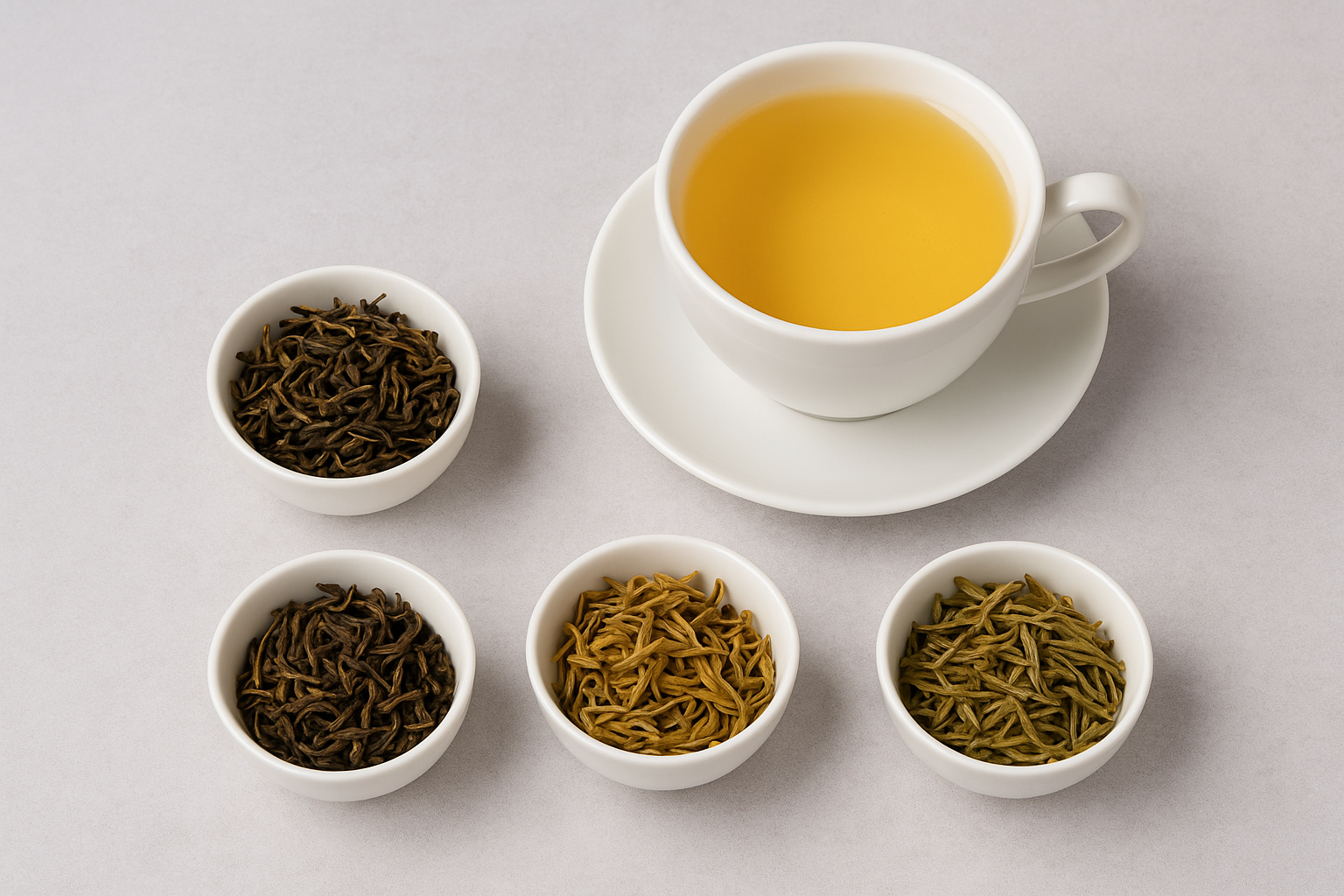
Among the many varieties of Chinese tea, yellow tea is one of the rarest and most intriguing. Often described as a “cousin” of green and white tea, it undergoes a unique process called sealed yellowing, where the leaves are lightly fermented under controlled heat and humidity. This extra step gives yellow tea its signature golden hue, mellow aroma, and smooth taste that is less grassy than green tea but still delicate and refreshing.
Because of its careful production and limited harvests, yellow tea is considered a luxury tea, historically reserved for emperors and high-ranking officials. Today, it remains difficult to find outside China, making it a prized treasure for tea connoisseurs. Yet beyond its rarity and refined taste, yellow tea offers an impressive nutritional profile rich in polyphenols, catechins, amino acids, and trace minerals, which contribute to a wide range of potential health benefits (1).
In this article, we will explore the types of yellow tea and highlight nine evidence-based health benefits that make it worth seeking out.
What is Yellow Tea?
Yellow tea is a lightly fermented tea that sits between green and white tea in terms of processing and flavor. Unlike green tea, which is quickly pan-fired or steamed to halt oxidation, yellow tea undergoes a unique step known as “sealed yellowing.” During this process, the freshly processed leaves are gently steamed and then wrapped in cloth or paper to rest for several hours. This controlled fermentation allows the leaves to develop their distinct golden color, mellow taste, and smooth aroma.
The flavor of yellow tea is often described as less grassy and more rounded than green tea, with a sweet, floral aftertaste that lingers pleasantly. It is highly prized because it is produced in very small quantities, often only in certain regions of China, and requires skilled craftsmanship to perfect. This rarity makes it one of the most expensive teas available, often ranking alongside fine white and oolong teas.
Beyond its elegance, yellow tea’s minimal oxidation helps preserve high levels of catechins, amino acids, and antioxidants, which are thought to contribute to its health-promoting properties (2).
Types and Examples of Yellow Tea
Yellow tea is rare not only because of its processing method but also because it is grown in limited regions of China. Each variety has its own history, taste profile, and cultural significance. The most famous examples include:
- Junshan Yinzhen – Produced in Hunan Province, this is the most celebrated yellow tea and is often considered the benchmark for the category. The slender, silvery buds produce a sweet, floral, and smooth liquor, historically reserved for Chinese emperors.
- Huoshan Huangya – From Anhui Province, this variety has needle-like leaves with a mellow, nutty flavor and a light golden brew. It has been cultivated for centuries and remains one of the oldest yellow teas.
- Meng Ding Huangya – Grown in Sichuan Province, this tea is known for its delicate aroma and subtle sweetness, offering a refreshing taste with hints of grass and flowers.
- Da Ye Qing – Originating from Guangdong, this large-leaf yellow tea has a bolder flavor, making it distinct from the lighter, more delicate varieties.
- Mo Gan Huangya – From Zhejiang Province, this variety has a fresh, clean taste with a light sweetness, often enjoyed as an everyday yellow tea in its region.
While each variety offers a slightly different flavor, all share the signature golden liquor and mellow taste that distinguish yellow tea from green tea. Their limited production and artisanal methods of crafting make them highly sought-after by tea enthusiasts worldwide (3).
Nutritional and Phytochemical Profile
Yellow tea is valued not only for its smooth taste and rarity but also for its impressive nutrient composition. The special “sealed yellowing” process helps retain many of the beneficial compounds found in green tea, while softening some of the harsher grassy notes. This makes yellow tea a gentle yet powerful beverage for wellness.
It contains high levels of polyphenols, catechins (including EGCG), flavonoids, and amino acids such as L-theanine. It also provides essential vitamins like A, B-complex, and C, as well as trace minerals including potassium, manganese, and zinc. Its moderate caffeine content gives a gentle energy lift without overwhelming the system.
Key Compounds in Yellow Tea
| Compound/Nutrient | Potential Role in Health |
|---|---|
| Catechins (EGCG) | Powerful antioxidant, protects cells from oxidative stress |
| Polyphenols | Support heart health and reduce inflammation |
| L-theanine | Promotes relaxation while enhancing focus |
| Vitamin C | Boosts immunity and skin health |
| Vitamin B-complex | Supports energy metabolism |
| Potassium | Helps regulate blood pressure |
| Manganese | Important for metabolism and bone strength |
Research shows that teas like yellow tea, rich in polyphenols and catechins, may help reduce the risk of chronic diseases and support overall wellness (4).
9 Health Benefits of Yellow Tea
1. High in Antioxidants
One of the most celebrated qualities of yellow tea is its abundance of antioxidants, particularly catechins and polyphenols. These compounds are crucial in combating oxidative stress, a condition where unstable molecules known as free radicals damage cells and tissues. Over time, oxidative stress contributes to aging and increases the risk of chronic conditions such as cancer, cardiovascular disease, and neurodegenerative disorders.
Yellow tea’s unique processing method preserves a rich concentration of these antioxidants while reducing the grassy bitterness often associated with green tea. Regular consumption can therefore provide your body with a steady supply of protective compounds, helping to neutralize free radicals, support healthy cellular repair, and reduce the risk of long-term illnesses. Studies on catechin-rich teas have consistently shown that regular intake can improve antioxidant activity within the body, promoting resilience against age-related damage (5).
2. Supports Heart Health
Cardiovascular wellness is another area where yellow tea may shine. The polyphenols and catechins in the tea have been studied for their ability to reduce cholesterol levels, improve circulation, and enhance blood vessel function. By lowering LDL cholesterol (often referred to as “bad” cholesterol) and promoting HDL cholesterol (“good” cholesterol), yellow tea helps maintain a healthier lipid profile, which is essential for heart health.
Additionally, the presence of potassium and other trace minerals supports blood pressure regulation, while the tea’s mild caffeine content can gently stimulate circulation without the sharp spikes sometimes caused by coffee. Long-term consumption of polyphenol-rich teas has been linked to a reduced risk of heart attack and stroke, making yellow tea not only a soothing beverage but also a valuable ally for cardiovascular protection (6).
3. Aids Digestion
Yellow tea has long been appreciated in Chinese tea culture for its gentle effect on the digestive system. Unlike stronger teas that can sometimes irritate the stomach, yellow tea’s smoother and less astringent flavor makes it a soothing choice, even for those with more sensitive digestion. Its natural tannins and polyphenols may help regulate bowel function, reduce bloating, and support the healthy balance of gut bacteria.
Traditionally, yellow tea has been consumed after meals to aid digestion and promote comfort, especially after heavier foods. Its mild caffeine content can also stimulate the digestive process by enhancing gastric secretions and motility. Together, these actions help your body process nutrients more efficiently, making yellow tea a useful beverage for overall digestive health (7).
4. Promotes Weight Management
Another potential benefit of yellow tea is its role in supporting healthy weight management. Like green tea, yellow tea is rich in catechins, which are known to encourage fat oxidation and thermogenesis (the process of burning calories to generate heat). By stimulating metabolism, yellow tea may help the body use stored fat more effectively as energy.
In addition, drinking yellow tea as a low-calorie alternative to sugary drinks can significantly reduce overall calorie intake while still providing flavor and refreshment. Its combination of caffeine and L-theanine offers a mild energy boost that can enhance physical activity without overstimulation. Over time, this combination of effects may make yellow tea a helpful companion in maintaining a balanced weight alongside proper diet and exercise (8).
5. Boosts Brain Function
Yellow tea provides a gentle yet effective way to support mental clarity and focus. Its moderate caffeine content works hand-in-hand with L-theanine, an amino acid that promotes relaxation while improving alertness. This combination helps the brain stay sharp without the jitteriness often associated with coffee. It produces what many tea drinkers describe as a state of calm concentration, ideal for studying, working, or creative tasks.
Research on L-theanine and caffeine suggests that together they can improve attention, reaction time, and working memory. Yellow tea, with its smoother flavor profile, offers these cognitive benefits in a milder form than many other teas, making it especially suitable for those who want a sustained mental boost without overstimulation (9).
6. Strengthens the Immune System
Yellow tea contains an array of immune-supporting compounds, including vitamin C, polyphenols, and trace minerals such as zinc. These nutrients help strengthen the body’s natural defenses by enhancing the activity of immune cells and reducing oxidative stress, which can weaken immunity over time.
Polyphenols in particular have been studied for their antimicrobial properties, showing the ability to fight harmful bacteria and viruses. Drinking yellow tea regularly may therefore help the body better resist seasonal illnesses such as colds and flu. Combined with its soothing, warming nature, yellow tea makes an excellent daily beverage for maintaining immune resilience (10).
7. Promotes Healthy Skin
Yellow tea is rich in antioxidants like catechins, polyphenols, and vitamin C, which protect skin cells from oxidative stress caused by UV rays, pollution, and environmental toxins. These compounds help neutralize free radicals that contribute to premature skin aging, including wrinkles, fine lines, and loss of elasticity.
Additionally, the anti-inflammatory properties of yellow tea may calm skin irritation and redness. Drinking it regularly supports skin hydration and may promote a brighter, more even complexion. For people looking for a natural way to nourish skin from within, yellow tea offers a refreshing and protective option (11).
8. Supports Blood Sugar Balance
Emerging research suggests that teas rich in polyphenols, like yellow tea, may play a role in stabilizing blood sugar levels. The catechins and flavonoids in yellow tea may improve insulin sensitivity, allowing the body to regulate glucose more effectively. This makes it potentially useful for those managing energy levels or seeking to prevent spikes and crashes in blood sugar.
Animal studies have shown that regular consumption of polyphenol-rich teas can reduce markers of metabolic stress and improve glucose regulation. While more human studies are needed, incorporating yellow tea into a balanced diet may provide additional support for metabolic health and long-term blood sugar management (12).
9. Encourages Relaxation
While yellow tea contains caffeine, its levels are moderate and balanced by the presence of L-theanine, an amino acid with calming properties. This combination helps promote a state of relaxed alertness—you feel mentally awake but not overstimulated. Unlike coffee, which can sometimes lead to jitteriness or a sharp energy crash, yellow tea provides a smoother lift that gently tapers off.
Many tea drinkers describe the experience of yellow tea as soothing both to the body and the mind. Its mellow flavor, lower astringency, and naturally balanced compounds make it an excellent choice for those seeking a daily ritual that fosters calm focus and stress relief. Drinking yellow tea in the afternoon or early evening can help transition from a busy day to a more relaxed state without interfering with sleep (13).
How to Brew Yellow Tea
Because yellow tea is rare and delicate, brewing it properly is essential to bring out its smooth, mellow flavor without introducing bitterness. Unlike black or oolong teas, yellow tea requires slightly lower water temperatures and shorter steeping times to preserve its subtle aroma and taste.
Step-by-Step Brewing Guide
- Measure the leaves
Use 1–2 teaspoons of yellow tea leaves per 8-ounce cup of water. Adjust depending on how strong you prefer the flavor. - Heat the water
Heat fresh, filtered water to 75–85°C (167–185°F). Boiling water can scorch the leaves and release too much tannin, making the tea taste bitter. - Rinse the leaves (optional)
Some tea enthusiasts like to rinse the leaves quickly with hot water (5 seconds) to awaken their aroma and remove any dust. - Steep the tea
Pour the hot water over the leaves and steep for 2–3 minutes. A shorter steep produces a lighter, sweeter brew, while a longer steep gives a fuller body. - Enjoy multiple infusions
High-quality yellow tea leaves can be infused 2–3 times, with each infusion revealing new layers of flavor and aroma. - Serve and enjoy
Yellow tea is best enjoyed plain, without milk or sugar, to appreciate its naturally sweet, floral, and mellow notes. Use glass or porcelain cups to fully enjoy its golden hue.
Side Effects and Risks
While yellow tea is gentler on the stomach than many other teas, it still contains caffeine and tannins, which may cause side effects if overconsumed. Being mindful of these factors allows you to enjoy its benefits without discomfort.
Caffeine Sensitivity
Yellow tea contains a moderate amount of caffeine—less than black tea but slightly more than most white teas. For most people, this is enough to provide gentle alertness, but sensitive individuals may experience jitters, restlessness, or insomnia if they drink too much. Limiting intake to 2–3 cups per day is generally safe.
Stomach Irritation
Like other teas, yellow tea contains tannins, which can increase stomach acidity. Drinking it on an empty stomach may cause nausea or stomach upset. To avoid this, enjoy yellow tea after meals or with light snacks.
Iron Absorption
Tannins in yellow tea may also reduce the absorption of non-heme iron from plant-based foods. People with iron deficiency should avoid drinking it alongside iron-rich meals, leaving at least an hour’s gap.
Pregnancy and Medications
Because of its caffeine content, pregnant and breastfeeding women should drink yellow tea in moderation. Those taking medication for blood pressure, heart disease, or blood clotting should consult a healthcare provider before making it a daily habit.
In moderation, yellow tea is considered safe and beneficial, offering a balanced way to enjoy both flavor and health benefits.
Frequently Asked Questions (FAQs)
No, yellow tea is distinct from green tea. While both are minimally processed, yellow tea undergoes a unique sealed yellowing step that gives it a sweeter, mellower taste and golden liquor.
Yes, yellow tea contains moderate caffeine, generally less than black tea but slightly more than most white teas. It provides a gentle energy boost without overstimulation.
Yellow tea is produced in limited regions of China and requires a specialized, time-consuming process to craft properly. This rarity makes it more expensive and less widely available compared to other teas.
Conclusion
Yellow tea stands out as one of the rarest and most refined members of the tea family. Its unique sealed yellowing process produces a mellow, golden brew that is smoother than green tea yet rich in beneficial compounds. From its high antioxidant content to its ability to support heart health, digestion, brain function, and even skin vitality, yellow tea offers a broad spectrum of potential wellness advantages.
Because it is produced in small quantities and requires skilled craftsmanship, yellow tea is considered a luxury beverage. Yet beyond its rarity, it serves as a daily ritual that can bring both calm focus and long-term health benefits. Like all teas, moderation is important—2 to 3 cups a day is typically enough to experience its effects without unwanted side effects.
For those seeking a tea that blends heritage, elegance, and health, yellow tea is a worthy choice. Each cup is not only a sip of history but also a gentle step toward better overall well-being.


