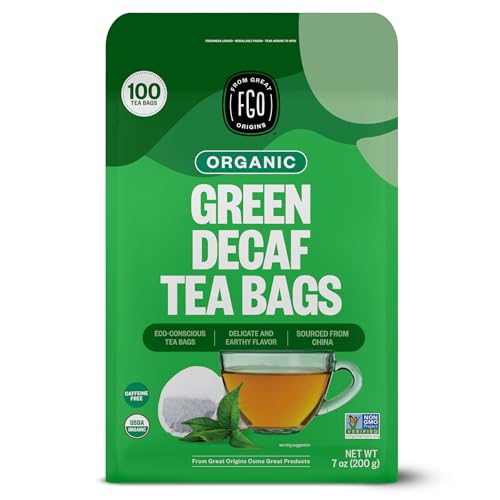
Decaf Green Tea: Benefits, Types, and Side Effects
Decaf green tea is becoming increasingly popular among people who enjoy the flavor and wellness benefits of green tea but want to avoid caffeine. For some, caffeine can cause jitters, sleep disturbances, or digestive discomfort. Others simply prefer to enjoy tea in the evening without worrying about its stimulating effects. Decaf green tea offers a middle ground: it preserves many of the valuable antioxidants and plant compounds in traditional green tea while making it gentler on the body.
Green tea itself has been prized for centuries for its antioxidant content, heart health support, and calming amino acids like L-theanine. Decaf versions allow sensitive drinkers to access many of the same benefits in a milder form. While not identical in composition to regular green tea, it remains a nourishing beverage that combines hydration with potential health-promoting properties (1).
What is Decaf Green Tea?
Decaf green tea is green tea that has undergone a process to remove most of its natural caffeine. Several methods are used, including solvent-based processes, carbon dioxide (CO₂) decaffeination, and water processing. The CO₂ method is considered one of the cleanest and best at preserving delicate antioxidants, while solvent methods are less favored due to possible chemical residues.
Although caffeine is reduced by up to 97%, decaf green tea is not entirely caffeine-free. A typical cup may still contain about 2–5 mg of caffeine compared to 30–50 mg in regular green tea. The decaffeination process also reduces some catechins, including EGCG, but many beneficial compounds remain intact. This means decaf green tea still provides antioxidants, amino acids like L-theanine, and trace minerals, though in slightly lower concentrations.
Perfect — here’s the Nutritional Profile of Decaf Green Tea with a clear comparison table.
Nutritional Profile of Decaf Green Tea
Decaf green tea retains many of the beneficial compounds of regular green tea, but the levels vary depending on the decaffeination process used. The most affected nutrients are caffeine and catechins, while amino acids like L-theanine and most minerals remain relatively stable. This makes decaf green tea a lighter but still valuable source of antioxidants and calming compounds.
The table below compares the average nutrient content between regular and decaf green tea (per 8 oz cup):
| Nutrient/Compound | Regular Green Tea | Decaf Green Tea | Notes |
|---|---|---|---|
| Caffeine | 30–50 mg | 2–5 mg | Reduced by ~97%, not fully caffeine-free |
| EGCG (catechin) | 50–100 mg | 20–50 mg | Levels drop but remain present |
| Total catechins | 100–150 mg | 40–70 mg | Depends on decaf method |
| L-theanine | 6–12 mg | 5–10 mg | Slightly reduced, still calming |
| Potassium | ~25 mg | ~20 mg | Minimal change |
| Magnesium | ~7 mg | ~6 mg | Minimal change |
| Fluoride | Trace | Trace | Present in both |
| Calories | 0 | 0 | Naturally calorie-free |
Even with lower catechin levels, decaf green tea still offers meaningful antioxidant support and calming effects from L-theanine. Its very low caffeine content makes it an excellent choice for those sensitive to stimulants or looking for a soothing evening beverage.
Health Benefits of Decaf Green Tea
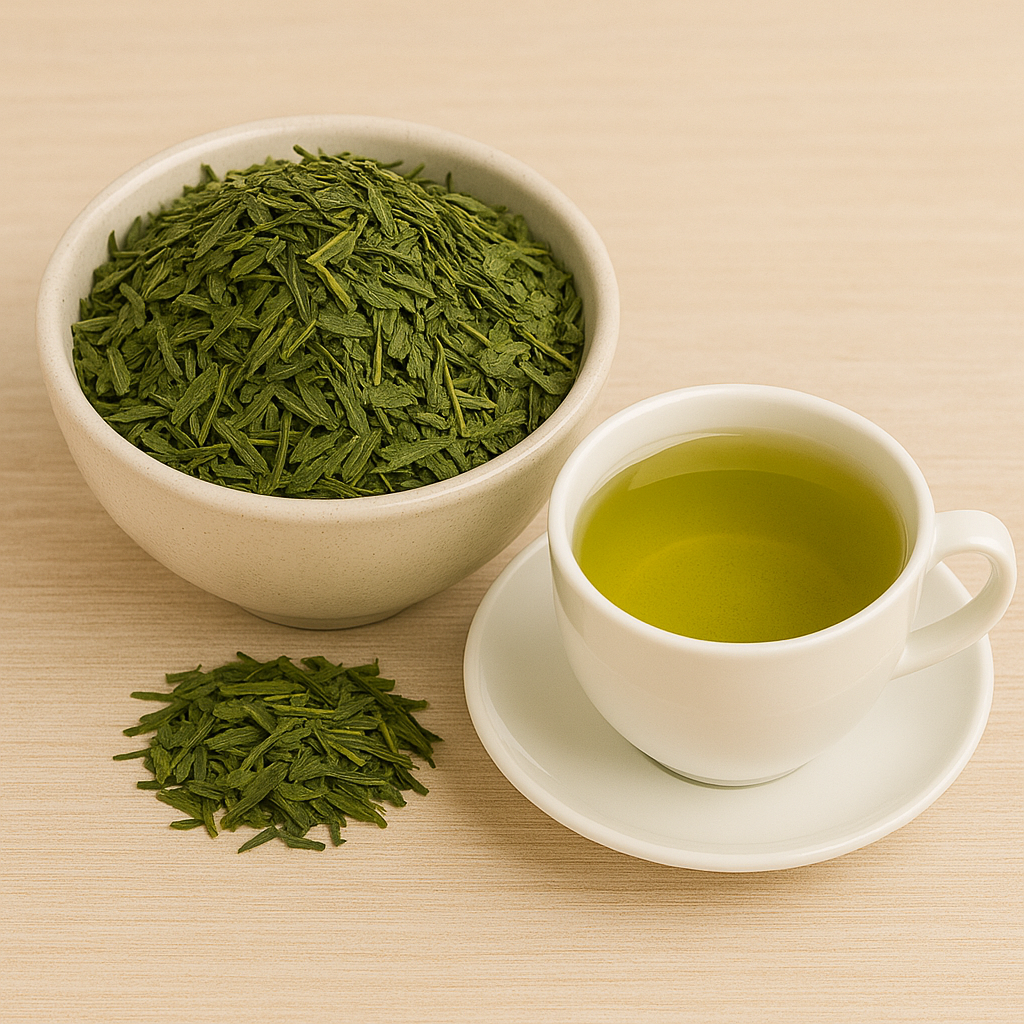
Even with reduced caffeine and catechin content, decaf green tea remains a health-promoting beverage. Its antioxidants, amino acids, and trace minerals provide support for multiple systems in the body. While regular green tea may offer slightly stronger effects, decaf green tea provides a gentler alternative that still supports long-term wellness.
1. Antioxidant Support
Decaf green tea is still a good source of antioxidants, including catechins like EGCG, which help protect cells from oxidative stress. These compounds neutralize free radicals, unstable molecules that contribute to chronic diseases and premature aging. By reducing oxidative damage, antioxidants in decaf green tea may promote healthier skin, better energy, and overall resilience.
While the decaffeination process lowers catechin levels, enough remain to deliver benefits. Drinking decaf green tea regularly can provide consistent, mild antioxidant support, particularly valuable for those who cannot tolerate caffeine but still want the protective effects associated with tea.
2. Supports Heart Health
The compounds in decaf green tea may also support cardiovascular health. Catechins, even at reduced levels, can help improve cholesterol balance by lowering LDL cholesterol while supporting HDL. In addition, the potassium and magnesium present in tea contribute to blood pressure regulation, a key factor in heart disease prevention.
Antioxidants in decaf green tea also protect blood vessels from oxidative damage, which can contribute to arterial stiffness. While regular green tea has been studied more extensively, decaf still offers protective cardiovascular effects, making it a smart choice for caffeine-sensitive individuals seeking to support long-term heart health.
3. Aids in Weight Management
Green tea is often associated with weight management, largely due to its combination of caffeine and catechins. While decaf versions lose most of the caffeine, they still provide catechins that may support fat oxidation and metabolic balance. Though the effects are milder, drinking decaf green tea as part of a balanced diet can contribute to weight maintenance.
For those sensitive to caffeine, decaf green tea provides a way to access these compounds without the stimulating side effects. Paired with regular physical activity and healthy eating, it can be a supportive beverage for maintaining a healthy weight and metabolic function (2).
4. Supports Brain Health
Decaf green tea contains L-theanine, an amino acid that has calming effects on the brain. L-theanine promotes alpha brainwave activity, which is associated with relaxation, focus, and mental clarity. Even without caffeine, this compound may improve mood and concentration, making decaf green tea a gentle mental support.
Preliminary research suggests that the antioxidants in green tea may also protect brain cells from oxidative damage, which plays a role in neurodegenerative conditions. This makes decaf green tea a simple way to promote long-term cognitive wellness without overstimulation.
5. Improves Hydration
One of the key advantages of decaf green tea is its ability to hydrate the body without introducing significant caffeine. For individuals who are sensitive to caffeine or need to limit intake due to health reasons, decaf green tea provides a flavorful, antioxidant-rich alternative to plain water.
Unlike high-caffeine drinks, which can sometimes act as mild diuretics, decaf green tea supports hydration without significantly increasing fluid loss. This makes it especially suitable for people who want to enjoy multiple cups a day while staying well hydrated.
6. Supports Digestion
Decaf green tea can have a soothing effect on the digestive system. Its antioxidants and mild tannins may help reduce inflammation in the gut lining, while its polyphenols encourage a healthier balance of gut bacteria. Drinking it warm after meals may also aid in smoother digestion and reduce feelings of bloating.
Because it is gentler than many caffeinated teas, decaf green tea is less likely to cause stomach irritation in sensitive individuals. This makes it a good choice for those who want digestive support without the stimulating effects of regular green tea.
7. Promotes Better Sleep
A major advantage of decaf green tea is that it can be consumed in the evening without disturbing sleep. With most of the caffeine removed, it provides relaxation through its L-theanine content rather than stimulation. Many people find that drinking decaf green tea before bed promotes calmness and helps transition into restful sleep.
Unlike regular green tea, which can disrupt sleep patterns for caffeine-sensitive individuals, decaf allows you to enjoy the same flavor and many of the same health compounds without worry. This makes it an excellent bedtime ritual for those seeking a soothing, health-supportive beverage (3).
Great choice. Here’s the Types of Decaf Green Tea section, written in a mid-expansive style, followed by a clear table summarizing the varieties.
Types of Decaf Green Tea
Decaf green tea comes in several forms, each offering a slightly different flavor and nutrient profile. The decaffeination process does not eliminate all caffeine, but it reduces it to very small amounts, making these teas accessible to most people who want to avoid caffeine. The choice often depends on taste preferences and whether you want a traditional Japanese or Chinese style of tea.
Some types are steamed, preserving a grassy, vegetal flavor, while others are pan-fired, producing nuttier and roasted notes. Many of the most common green teas, like sencha and matcha, are available in decaf versions. Regardless of the type, all provide antioxidants and amino acids, though the levels vary depending on the base tea and method of decaffeination (4).
Common Types of Decaf Green Tea
| Type | Origin | Flavor Profile | Notes |
|---|---|---|---|
| Decaf Sencha | Japan | Fresh, grassy, slightly sweet | Popular daily tea; gentle antioxidant profile |
| Decaf Matcha | Japan | Smooth, creamy, slightly vegetal | Stone-ground powdered tea; higher in L-theanine |
| Decaf Bancha | Japan | Mild, earthy, slightly nutty | Lower in catechins but still soothing |
| Decaf Genmaicha | Japan | Toasty, nutty, with roasted rice flavor | Combines tea with brown rice for unique taste |
| Decaf Dragon Well (Longjing) | China | Chestnut-like, mellow, slightly sweet | Pan-fired style with a rounded finish |
| Decaf Gunpowder | China | Strong, smoky, slightly astringent | Rolled leaves; bolder than most Japanese greens |
Side Effects and Risks of Decaf Green Tea
Decaf green tea is considered safe for most people when consumed in moderate amounts, but it does carry a few potential drawbacks that are important to note.
1. Trace Caffeine Content
While marketed as “decaf,” these teas still contain small amounts of caffeine. Sensitive individuals may experience restlessness, headaches, or sleep disturbance if they consume large quantities.
2. Reduced Antioxidant Levels
The decaffeination process can remove not only caffeine but also some beneficial catechins like EGCG. This means decaf versions may not deliver the same strong antioxidant effects as regular green tea.
3. Processing Concerns
Some methods of decaffeination use chemical solvents such as ethyl acetate. Although residues are usually negligible, those who prefer a more natural approach may want to choose teas processed with carbon dioxide or water methods, which preserve more nutrients and avoid added chemicals.
4. Digestive Sensitivity
Even in decaf form, green tea contains tannins, which may cause mild stomach upset or acid reflux in sensitive individuals, especially if consumed on an empty stomach.
5. Medication Interactions
Green tea catechins, even in reduced amounts, can interfere with certain medications. For example, they may reduce iron absorption from plant-based foods or supplements and could affect blood thinners or some heart medications. Anyone with a chronic health condition should consult a healthcare provider before making decaf green tea a daily habit.
How to Brew Decaf Green Tea
Making decaf green tea at home is simple, but following the right method helps you preserve its delicate flavor and beneficial compounds.
Ingredients:
- 1 teaspoon of loose-leaf decaf green tea or 1 decaf green tea bag
- 1 cup (8 oz) of filtered water
Instructions:
- Heat the water gently Bring fresh, filtered water to about 175–185°F (80–85°C). Avoid boiling, as high temperatures can make the tea taste bitter.
- Measure the tea Use 1 teaspoon of loose leaves (or one tea bag) per cup.
- Steep the tea Pour the hot water over the leaves and let steep for 2–3 minutes. Steeping too long may create astringency, even in decaf tea.
- Strain or remove the bag Remove the tea leaves or bag promptly to prevent over-extraction.
- Enjoy plain or enhanced Decaf green tea can be enjoyed plain or with a splash of lemon, honey, or mint for extra flavor.
Pro Tip:
If you want even less caffeine, you can use the “first rinse method.” Steep your tea for 30 seconds, discard that water, then steep again as normal. This helps wash out additional caffeine while still retaining much of the flavor.
Conclusion
Decaf green tea offers the calming experience and health-promoting properties of regular green tea with little to no caffeine. It can be a great choice for individuals who are sensitive to caffeine, want to enjoy tea in the evening, or simply prefer a gentler drink. With benefits that include antioxidants, potential heart and brain support, and digestive comfort, it remains a versatile option for daily wellness.
While decaf green tea is generally safe, it is important to note the decaffeination process may slightly alter its antioxidant profile, and some individuals may still react to trace amounts of caffeine. By choosing high-quality brands and brewing it correctly, you can maximize both taste and health benefits.
Whether you prefer sencha, matcha, or other varieties in decaf form, this tea provides a soothing way to enjoy the ancient tradition of green tea without the stimulating effects of caffeine.