
Rue Tea Benefits: Side Effects and How to Brew
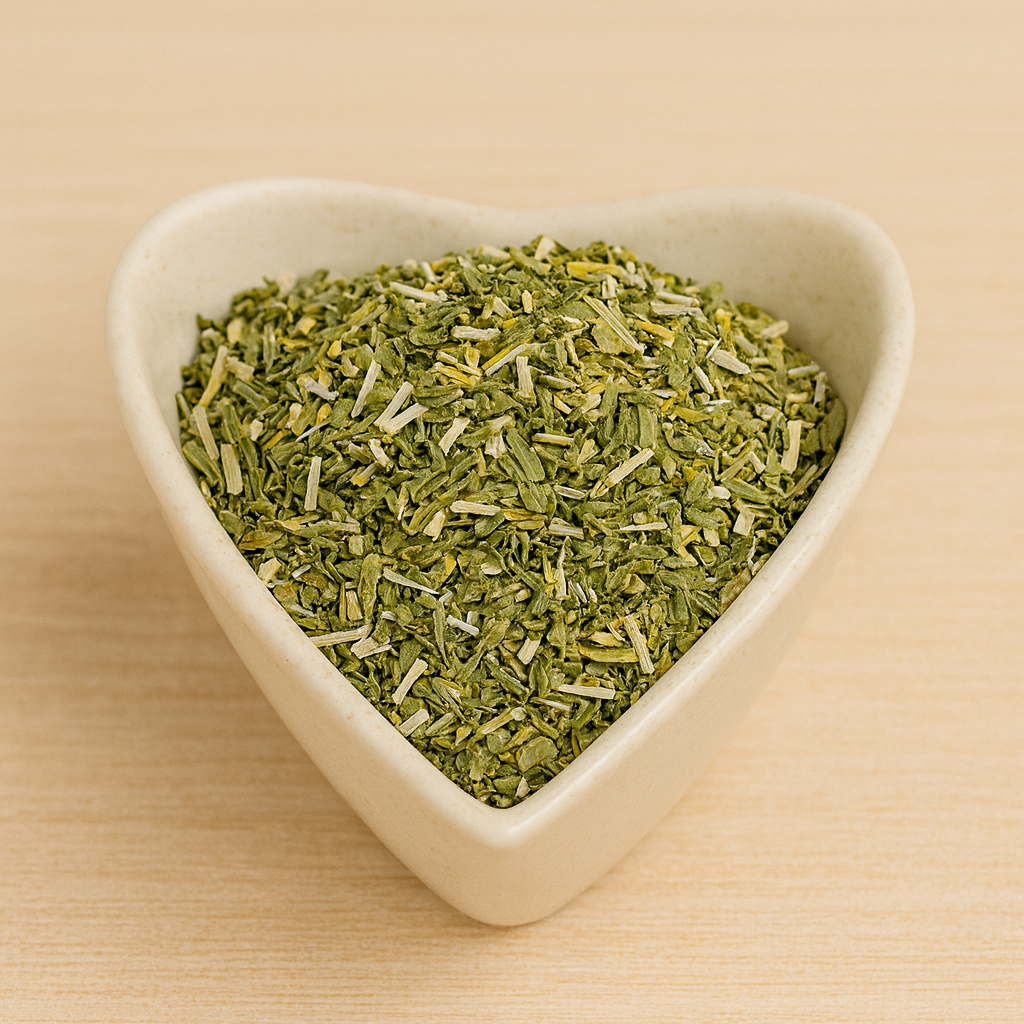
Rue tea, made from the leaves of the rue plant (Ruta graveolens), has a long and complex history in traditional medicine. Used for centuries in Mediterranean, African, and South American cultures, it has been valued for its strong aroma, bitter taste, and potent bioactive properties. Rue has often been referred to as a “herb of grace,” used in both culinary and medicinal contexts.
Despite its traditional use, rue tea is not as widely consumed today as other herbal teas because of its strength and potential risks. Scientific studies suggest that rue contains alkaloids, flavonoids, and coumarins that may provide antioxidant, antimicrobial, and circulatory benefits. However, it also contains compounds that can be toxic in high amounts, making it a herb to approach with caution. Rue tea represents the dual nature of many traditional remedies: useful when respected, but harmful if misused (1).
What is Rue Tea?
Rue tea is an herbal infusion made by steeping the leaves of the rue plant in hot water. Unlike green or black tea, which come from the Camellia sinensis plant, rue tea belongs to the category of herbal tisanes. The flavor is characteristically bitter and pungent, with a strong aroma that sets it apart from more delicate herbal teas.
Historically, rue tea has been used for digestion, menstrual regulation, and even as a calming drink in traditional folk practices. Mediterranean cultures employed it for its circulatory and digestive benefits, while South American traditions used it in spiritual and medicinal rituals. Today, rue tea is consumed sparingly, often by those familiar with its traditional roots and aware of its potency.
Great — here’s the Nutritional and Phytochemical Profile section for rue tea, written in mid-expansive style with a clear table.
Nutritional and Phytochemical Profile
Rue tea is not commonly consumed for macronutrients like protein or carbohydrates, but rather for its dense concentration of bioactive compounds. The rue plant contains a mix of alkaloids, flavonoids, coumarins, and essential oils that account for both its health benefits and potential risks.
Key phytochemicals include rutin and quercetin, flavonoids known for their antioxidant and anti-inflammatory effects. Rue also contains furanocoumarins, which provide antimicrobial activity but can also make the skin more sensitive to sunlight. Essential oils such as camphor and limonene add to its medicinal properties, though in high doses they may stress the liver or kidneys. In addition, rue leaves provide trace amounts of vitamins like vitamin C and B-complex, as well as minerals including calcium, iron, and magnesium.
Here’s a simplified nutritional and phytochemical breakdown:
| Component | Function in the Body |
|---|---|
| Rutin & Quercetin | Antioxidant, supports circulation and reduces oxidative stress |
| Furanocoumarins | Antimicrobial effects, may cause photosensitivity |
| Coumarins | Mild blood-thinning and anti-inflammatory effects |
| Essential oils (camphor, limonene) | Antimicrobial, aromatic, but can be toxic in excess |
| Vitamin C (trace) | Supports immunity and skin health |
| B vitamins (trace) | Energy metabolism and nervous system support |
| Calcium & Magnesium | Bone and muscle function |
| Iron | Oxygen transport and red blood cell production |
Because rue tea is made through infusion, it primarily delivers water-soluble compounds such as flavonoids, coumarins, and some vitamins, rather than the full spectrum of nutrients in the raw plant. This explains why the tea is valued more for its medicinal qualities than its nutritional contribution.
Health Benefits of Rue Tea
1. Rich in Antioxidants
Rue tea contains flavonoids such as rutin and quercetin, which act as antioxidants in the body. These compounds help neutralize free radicals, unstable molecules that can damage cells and accelerate aging. By reducing oxidative stress, antioxidants in rue tea may support long-term health and resilience of tissues, including the skin, blood vessels, and nervous system.
Some research suggests that rutin, in particular, strengthens blood vessel walls, improves circulation, and may help reduce the risk of vascular issues. Regular but careful use of rue tea may therefore provide subtle support to the body’s antioxidant defense system.
2. May Support Digestion
Traditionally, rue tea has been used to ease digestive discomfort such as bloating, cramping, or slow digestion. Its essential oils and coumarins stimulate the digestive tract and may encourage the production of gastric juices, helping food break down more efficiently.
Rue tea’s bitter flavor also plays a role in digestion. Bitter compounds naturally stimulate the taste receptors linked to digestive enzyme release, which can improve nutrient absorption. For this reason, rue tea was often consumed after meals in Mediterranean folk traditions to aid digestion (2).
3. Traditional Use for Menstrual Relief
Rue tea has historically been used to help regulate menstrual cycles and ease discomfort associated with menstruation. The plant contains compounds that act as uterine stimulants, which is why it was employed in folk medicine to encourage menstrual flow. For women experiencing irregular or delayed periods, rue tea was sometimes taken as a natural remedy.
However, this same effect is what makes rue tea unsafe during pregnancy, as it can induce uterine contractions strong enough to cause miscarriage. This dual nature highlights both the power and danger of rue as a traditional medicine.
4. Potential Antimicrobial Effects
Rue tea contains furanocoumarins and essential oils like camphor and limonene, which exhibit antimicrobial properties. These compounds may help inhibit the growth of harmful bacteria and fungi, making rue tea a protective herbal infusion against certain infections.
In traditional practices, rue was also used externally as a wash for wounds and skin irritations, benefiting from its antiseptic qualities. While modern scientific studies are limited, some evidence supports its role as a plant with antimicrobial activity, suggesting that rue tea may contribute to maintaining microbial balance when consumed cautiously (3).
5. May Reduce Inflammation
Rue tea contains several compounds, including flavonoids and coumarins, that are thought to have anti-inflammatory effects. These compounds may help reduce swelling, ease joint discomfort, and calm irritation in tissues. Traditional medicine often used rue infusions as a remedy for arthritis and rheumatism, taking advantage of its ability to soothe inflammation.
While modern research is still limited, the presence of antioxidants like rutin suggests that rue tea could help the body maintain inflammatory balance when consumed responsibly.
6. Possible Benefits for Circulation
Rue tea has long been associated with improved circulation in Mediterranean and South American folk practices. Rutin, one of its primary flavonoids, is known for strengthening capillaries and supporting healthy blood flow. This could explain its traditional use in managing conditions such as varicose veins and circulatory discomfort.
By promoting vascular integrity and reducing oxidative stress, rue tea may play a subtle role in supporting cardiovascular health. However, due to its potency, it should always be consumed in moderation to avoid risks outweighing benefits (4).
7. Calming and Relaxing Properties
Rue tea has traditionally been consumed as a calming beverage, believed to reduce nervous tension and ease anxiety. Its essential oils, particularly camphor and limonene, have mild sedative qualities that may promote relaxation and help the body unwind. In folk practices, a small cup of rue tea was sometimes taken in the evening to quiet the mind and prepare for rest.
While scientific research on rue’s calming effects is limited, its long-standing use as a nervine herb suggests that it may help relieve mild stress when consumed carefully. However, because of its potency, rue tea should never be overused, as higher doses could trigger adverse effects rather than relaxation.
Side Effects and Risks
Rue tea is considered one of the stronger herbal infusions, and its risks should not be underestimated. While it offers potential health benefits, overconsumption or improper use can quickly lead to harmful effects. Here are the main side effects to be aware of:
- Nausea and Vomiting – Drinking too much rue tea can irritate the stomach lining, leading to nausea, cramps, or vomiting.
- Liver and Kidney Stress – Alkaloids and essential oils in rue may burden detoxification organs if taken in excess.
- Photosensitivity – Furanocoumarins in rue can increase sensitivity to sunlight, raising the risk of skin irritation or burns.
- Dizziness and Fatigue – The plant’s alkaloids may lower blood pressure, leading to dizziness or feelings of weakness.
- Seizure Risk – In high doses, compounds like camphor can overstimulate the nervous system and trigger seizures.
- Pregnancy Risks – Rue tea is considered unsafe during pregnancy because of its uterine-stimulating properties, which can cause miscarriage.
- Drug Interactions – Rue tea may interfere with anticoagulants, antihypertensive medications, and seizure drugs, increasing the chance of complications.
Because of these risks, rue tea should be consumed only in very small amounts and not on a daily basis. Individuals with existing health conditions should consult a healthcare professional before trying it (5).
Who Should Avoid Rue Tea
Rue tea is not suitable for everyone, and in some cases, it can be outright dangerous. The following groups should avoid it altogether:
- Pregnant Women – Rue tea can stimulate uterine contractions and significantly increase the risk of miscarriage.
- Breastfeeding Mothers – There is insufficient safety data on rue tea during breastfeeding, and its strong compounds may pass into breast milk.
- Individuals with Liver or Kidney Conditions – Rue can place extra stress on detoxification organs, worsening underlying health issues.
- People with Low Blood Pressure – Rue tea may lower blood pressure further, causing dizziness or fainting.
- Those on Anticoagulant or Antihypertensive Medications – Rue can interfere with these drugs, increasing the risk of dangerous interactions.
- Epileptic Patients – The essential oils in rue, such as camphor, may provoke seizures in sensitive individuals.
- Children – Due to its potency and toxicity risk, rue tea should not be given to children.
This makes rue tea a drink that should only be consumed by healthy adults in very small, occasional amounts, and always with caution.
How to Brew Rue Tea
Rue tea must be prepared with care because even small variations in quantity can influence its safety. Unlike gentler herbal teas, rue should only be used in very small amounts, and never as a daily beverage.
Ingredients:
- 1–2 small fresh or dried rue leaves (no more)
- 1 cup (8 oz) of freshly boiled water
- Optional: honey or lemon to soften the bitter taste
Instructions:
- Boil water – Bring filtered water to a rolling boil.
- Measure carefully – Add no more than 1–2 small rue leaves to a teapot or cup.
- Steep lightly – Pour the hot water over the leaves and steep for only 3–5 minutes. Do not over-steep, as this increases bitterness and potency.
- Strain – Remove the leaves immediately.
- Serve with caution – Drink slowly. Consider adding honey or lemon to balance the strong, bitter flavor.
Safety Note:
- Do not exceed 1 cup of rue tea in a day.
- Avoid prolonged or daily use.
- Always consult a healthcare professional before trying rue tea, especially if you have existing medical conditions or take medications.
FAQs
No. Rue tea is too potent for daily use and should only be consumed occasionally and in very small amounts.
Rue tea has a strong, bitter, and slightly pungent flavor. Many people prefer adding honey or lemon to make it more palatable.
No direct evidence supports rue tea for weight loss. While it may aid digestion in small amounts, its risks outweigh any potential metabolic benefit.
It can, but this is not generally recommended. Mixing rue with other herbs may mask its bitterness, making it easier to consume too much.
No. Rue tea is unsafe for pregnant women because it can cause uterine contractions and miscarriage.
Conclusion
Rue tea is a traditional herbal infusion with a long history of use for digestion, circulation, and menstrual support. Its rich supply of bioactive compounds like flavonoids, coumarins, and essential oils gives it both powerful benefits and serious risks. While it can provide antioxidant and antimicrobial effects, its toxicity potential means it should only ever be consumed in moderation.
Certain groups — including pregnant women, breastfeeding mothers, children, and individuals with chronic conditions — should avoid rue tea altogether. Even for healthy adults, careful preparation and strict limits are essential.
Ultimately, rue tea is not a casual daily drink but a potent traditional remedy. Respecting its strength allows it to be appreciated cautiously while avoiding the serious risks that come with misuse.