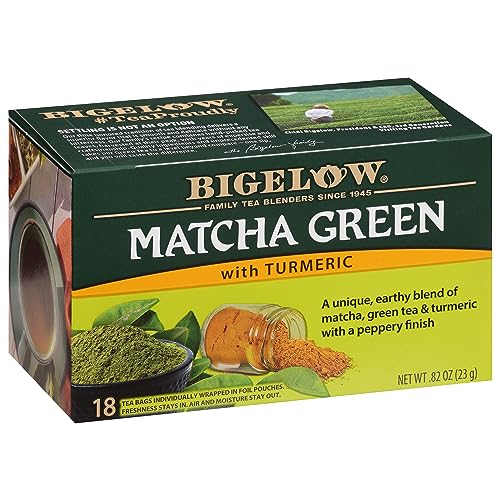
Best Green Tea for Weight Loss
Green tea has been enjoyed for centuries, but in recent decades it has gained a reputation as one of the most effective natural aids for weight management. Unlike fad diets or synthetic supplements, green tea works gently, supporting the body’s own metabolic processes while providing antioxidants that benefit overall health. From matcha to sencha, each type of green tea has unique compounds that can influence how efficiently the body burns fat and maintains energy.
The secret lies in green tea’s high levels of catechins and caffeine, two compounds that can work together to improve fat metabolism, boost energy, and support long-term weight goals. Scientists have studied these effects extensively, and the evidence suggests that drinking green tea regularly may enhance fat oxidation and improve body composition when combined with a healthy lifestyle (1).
How Green Tea Supports Weight Loss
The connection between green tea and weight loss largely comes down to three mechanisms:
- Catechins, especially EGCG (epigallocatechin gallate): These are powerful antioxidants that help stimulate thermogenesis, the process by which the body burns calories to produce heat. EGCG has been shown to enhance fat oxidation, especially during exercise.
- Caffeine: While green tea contains less caffeine than coffee, it still provides a mild stimulant effect that can increase energy expenditure. This makes it easier to stay active and burn more calories throughout the day.
- Catechin–caffeine synergy: Studies suggest that catechins and caffeine work more effectively together than separately. This combination enhances fat burning, suppresses appetite in some individuals, and helps maintain energy balance.
Together, these effects make green tea one of the most researched and respected beverages for natural weight management.
Best Green Tea for Weight Loss

1. Matcha Green Tea
Matcha is unique among teas because you consume the entire powdered leaf, not just an infusion. This means you get the maximum concentration of antioxidants, particularly EGCG, which is linked to boosting metabolism and promoting fat oxidation. Its vibrant flavor and versatility make it easy to incorporate into daily routines, from traditional whisked tea to smoothies.
Research highlights that matcha can enhance fat burning during exercise, making it especially useful for active individuals (3). Combined with caffeine and L-theanine, it delivers a steady, focused energy that supports both weight loss and mental clarity without the crash of coffee.
2. Sencha Green Tea
Sencha is the most widely consumed tea in Japan and offers a balanced approach to weight management. With moderate caffeine and a strong dose of catechins, it supports fat metabolism while also improving circulation and energy levels. Its light, grassy taste makes it an easy everyday option, encouraging consistent intake for lasting benefits.
Studies suggest that daily consumption of catechin-rich teas like sencha can reduce body weight and waist circumference over time (4). Because it is widely available and affordable, sencha is one of the most practical green teas for anyone looking to manage weight naturally.
3. Gyokuro Green Tea
Gyokuro is a premium shade-grown Japanese green tea, prized for its smooth, umami-rich flavor and high nutrient content. Because the plants are shaded for several weeks before harvest, Gyokuro develops elevated levels of chlorophyll, caffeine, and amino acids such as L-theanine. This combination provides a unique synergy that both stimulates metabolism and promotes calm focus, making it a valuable option for weight management.
The high caffeine content in Gyokuro enhances thermogenesis, the body’s ability to burn calories by generating heat. Meanwhile, catechins like EGCG support fat oxidation and help regulate blood sugar, preventing energy crashes and cravings (5). Its refined taste and powerful effects make Gyokuro a choice for those who want a luxurious yet functional tea in their weight-loss journey.
4. Genmaicha Green Tea
Genmaicha, often called “brown rice tea,” blends sencha leaves with roasted rice, creating a nutty, comforting flavor. While it contains slightly less caffeine and catechins compared to pure green teas, its balance makes it an excellent daily option for those who want gentle support for digestion and weight control. The roasted rice adds dietary fiber and compounds that may aid satiety, reducing the urge to overeat.
Studies on catechin-rich teas indicate that regular consumption helps with fat metabolism and body weight regulation (6). Genmaicha’s lighter caffeine profile makes it especially suitable for people sensitive to stimulants, offering steady energy and mild metabolic support without overstimulation. For many, it strikes the perfect balance between flavor, comfort, and weight-management benefits.
5. Hojicha Green Tea
Hojicha is a roasted Japanese green tea that stands out for its toasty aroma, reddish-brown hue, and very low caffeine content. Because the roasting process alters its chemical profile, Hojicha is gentler on the stomach and ideal for evening consumption. While it has fewer catechins than unroasted green teas, it still provides polyphenols and antioxidants that can support digestion and weight balance.
Its lower caffeine content means Hojicha does not strongly stimulate metabolism like Gyokuro or Matcha, but it offers a calming alternative for those sensitive to stimulants. Studies suggest that even lower-catechin teas can aid fat metabolism when consumed regularly (7). For individuals seeking weight management with minimal caffeine, Hojicha provides a relaxing yet beneficial choice.
6. Kukicha Green Tea
Kukicha, also called “twig tea,” is made from the stems, stalks, and twigs of the tea plant rather than the leaves. This unique composition gives it a lighter, nuttier flavor and a much lower caffeine level, making it suitable for frequent daily consumption. Despite its low caffeine, Kukicha is still rich in catechins and minerals such as calcium and zinc, which support both metabolism and general wellness.
The modest caffeine content combined with antioxidants makes Kukicha a sustainable weight-loss tea, encouraging steady fat metabolism without overstimulation. Research has shown that even teas lower in caffeine can assist in managing body weight and improving metabolic health (8). Kukicha’s balance of nutrients and easy drinkability make it a practical option for long-term weight control.
7. Bancha Green Tea
Bancha is a late-harvest Japanese green tea often considered the “everyday tea” due to its affordability and mild flavor. Compared to sencha, it has lower caffeine but still retains a moderate amount of catechins that support fat metabolism. Its earthy, slightly nutty taste makes it a popular choice for those seeking a gentle introduction to green tea for weight management.
Research suggests that catechin-rich teas like bancha can contribute to reductions in body fat percentage and waist size when consumed regularly as part of a balanced diet (9). For individuals looking for an accessible, low-cost tea that still delivers meaningful weight loss benefits, bancha is an excellent daily option.
8. Oolong Tea
Oolong tea, though partially oxidized and sitting between green and black tea, is well known for its weight management properties. It contains both caffeine and polyphenols that enhance energy expenditure and fat oxidation, often outperforming other teas in metabolism-boosting potential. Its floral, slightly roasted flavor appeals to those who want something more complex than standard green teas.
Studies indicate that oolong consumption can increase fat burning by up to 12% over 24 hours compared to water, suggesting a direct role in weight control (10). By combining the stimulating qualities of black tea with the antioxidant richness of green tea, oolong offers a powerful ally for long-term weight loss and metabolic health.
9. Gunpowder Green Tea
Gunpowder tea, named for its tightly rolled leaves resembling pellets, is one of the most popular Chinese green teas. Its compact form helps preserve freshness, locking in catechins and caffeine that can aid weight loss. When brewed, the leaves unfurl to release a bold, slightly smoky flavor that is richer than many Japanese green teas.
The combination of caffeine and catechins in gunpowder tea has been shown to promote fat oxidation and enhance calorie burning during exercise (11). For those seeking a green tea that is both strong in taste and weight-loss potential, gunpowder tea offers a satisfying option that supports metabolism throughout the day.
10. Dragonwell (Longjing) Tea
Dragonwell, also called Longjing, is among the most celebrated Chinese green teas, prized for its flat leaves, delicate chestnut aroma, and smooth, refreshing taste. Beyond its elegance, it is rich in epigallocatechin gallate (EGCG), the catechin most studied for its role in supporting weight management and metabolic health.
Evidence suggests that EGCG in teas like Longjing can help reduce body fat accumulation, particularly around the abdomen, while also improving insulin sensitivity (12). Drinking Dragonwell not only offers a luxurious tea experience but also provides science-backed support for those aiming to manage weight naturally while enjoying one of China’s finest brews.
Tips for Drinking Green Tea for Weight Loss
Follow these simple yet effective tips to get the most from green tea while supporting your weight loss goals:
- Drink 2–4 Cups Daily
- Space servings throughout the day to keep your metabolism gently stimulated.
- Too much can trigger jitters or digestive upset, so moderation is key.
- Choose the Right Variety
- Matcha, sencha, and oolong deliver higher catechins and caffeine for fat burning.
- Bancha or hojicha are gentler options if you’re caffeine-sensitive.
- Time It Well
- Morning or before exercise is best for boosting energy and calorie burn.
- Avoid drinking late at night to prevent sleep disruption.
- Skip the Sugar
- Added sweeteners cancel out benefits and add empty calories.
- Use lemon, mint, or a drizzle of raw honey for natural flavor.
- Pair With Lifestyle Habits
- Combine with balanced meals and regular exercise for meaningful results.
- Green tea enhances, but doesn’t replace, healthy living.
- Be Consistent
- Make it a daily ritual for gradual, sustainable results.
- Consistency is more effective than occasional cups.
Potential Side Effects of Green Tea
Green tea is generally safe for most people, but drinking it in excess or in the wrong circumstances can cause issues. Here are some to watch out for:
- Caffeine Sensitivity
- May cause jitters, headaches, or rapid heartbeat in those sensitive to caffeine.
- Stick to lower-caffeine teas like bancha or hojicha if this affects you.
- Digestive Upset
- Drinking on an empty stomach can cause nausea or stomach irritation.
- Pairing with food can minimize discomfort.
- Sleep Disruption
- Caffeine can interfere with sleep if consumed late in the day.
- Avoid drinking green tea in the evening.
- Iron Absorption Issues
- Tannins in green tea may reduce absorption of plant-based iron.
- Drink it between meals rather than with iron-rich foods.
- Medication Interactions
- Green tea may interact with blood thinners, heart medications, or stimulants.
- Consult a doctor if you take prescription medicines regularly.
- Pregnancy and Breastfeeding
- High caffeine intake is not recommended during pregnancy or nursing.
- Limit to 1–2 cups daily unless otherwise advised by your doctor.
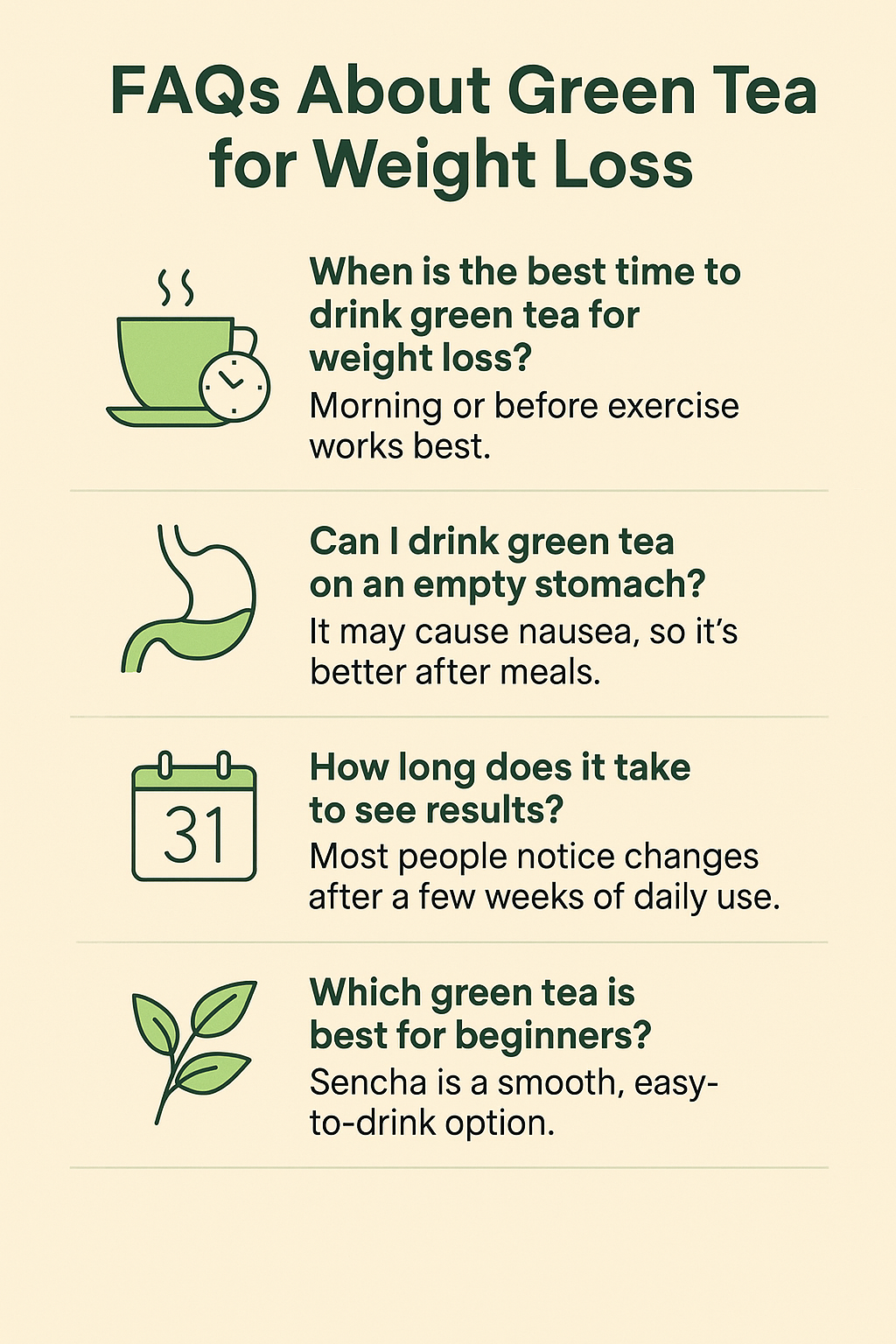
FAQs About Green Tea for Weight Loss
Morning or before exercise works best.
It may cause nausea, so it’s better after meals.
Most people notice changes after a few weeks of daily use.
Sencha is a smooth, easy-to-drink option.
Conclusion
Green tea is more than just a calming beverage—it’s a natural ally for weight management. Thanks to its blend of catechins, caffeine, and antioxidants, it can support fat burning, metabolism, and overall wellness when used consistently. From matcha and sencha to oolong and bancha, each type offers unique strengths, making it easy to find one that fits your taste and lifestyle.
Still, green tea is not a magic bullet. Its best results come when combined with healthy eating, regular exercise, and steady habits. By making it part of your daily routine, you can enjoy both its rich tradition and its proven benefits for long-term health.