
11 Hibiscus Tea Benefits
Hibiscus tea is one of those drinks that manages to be both strikingly beautiful and incredibly healthy. Brewed from the dried petals of the Hibiscus sabdariffa flower, it turns the water a deep ruby red and delivers a tart, cranberry-like flavor that feels refreshing whether served hot or cold. From Egypt’s karkadé to Mexico’s agua de Jamaica, this tea has been celebrated in traditional cultures for centuries as a natural remedy and a festive drink.
In recent years, hibiscus tea has also gained attention from modern science for its wide range of potential health benefits. It’s naturally caffeine-free, rich in antioxidants, and linked to heart health, blood pressure support, and even liver protection. Whether you’re looking for a flavorful alternative to soda or a natural boost to your wellness routine, hibiscus tea is worth considering (1).
What is Hibiscus Tea?
Hibiscus tea is an herbal infusion made by steeping dried hibiscus calyces — the bright red part of the flower that protects its seed pod — in hot water. Unlike green or black teas, which come from the Camellia sinensis plant, hibiscus tea belongs in the category of tisanes, or herbal teas.
The key compounds found in hibiscus are anthocyanins, the same pigments that give blueberries and cranberries their deep hues, along with flavonoids and vitamin C. These bioactive elements are thought to contribute to hibiscus tea’s antioxidant, anti-inflammatory, and cardiovascular effects. Its tart yet refreshing flavor also makes it a versatile beverage, commonly sweetened with sugar, honey, or paired with spices like cinnamon and ginger in traditional recipes.
Nutritional and Phytochemical Profile
Hibiscus tea is more than just a vibrant red infusion. It carries a unique set of plant-based compounds that give it both its bold flavor and potential health benefits. The most notable are anthocyanins, which are powerful pigments responsible for the deep ruby hue. These compounds are widely studied for their antioxidant and anti-inflammatory properties. Alongside anthocyanins, hibiscus tea is rich in flavonoids, vitamin C, and organic acids like hibiscus acid and citric acid. Together, they contribute to its tangy taste and therapeutic profile.
Unlike nutrient-dense foods, hibiscus tea is not a significant source of calories, fat, or protein. Instead, its value lies in the bioactive compounds that can influence cardiovascular, metabolic, and immune health. Because hibiscus is consumed as a water infusion, it delivers a concentrated dose of soluble antioxidants, which makes it a meaningful addition to daily hydration rituals.
Nutritional and Phytochemical Breakdown of Hibiscus Tea (per 240 ml cup)
| Component | Approximate Content | Role / Benefit |
|---|---|---|
| Calories | < 5 kcal | Negligible; essentially calorie-free |
| Vitamin C | 8–10 mg | Supports immunity, skin, and antioxidant defenses |
| Anthocyanins | Rich (varies by brew) | Antioxidant, anti-inflammatory, heart-protective |
| Flavonoids | Present | May improve vascular health and reduce oxidative stress |
| Organic Acids | Citric, hibiscus acid | Contribute tart flavor, digestive support |
| Caffeine | 0 mg | Naturally caffeine-free, suitable for all-day drinking |
(Values are approximate and vary depending on steeping time and concentration.)
How to Make Hibiscus Tea
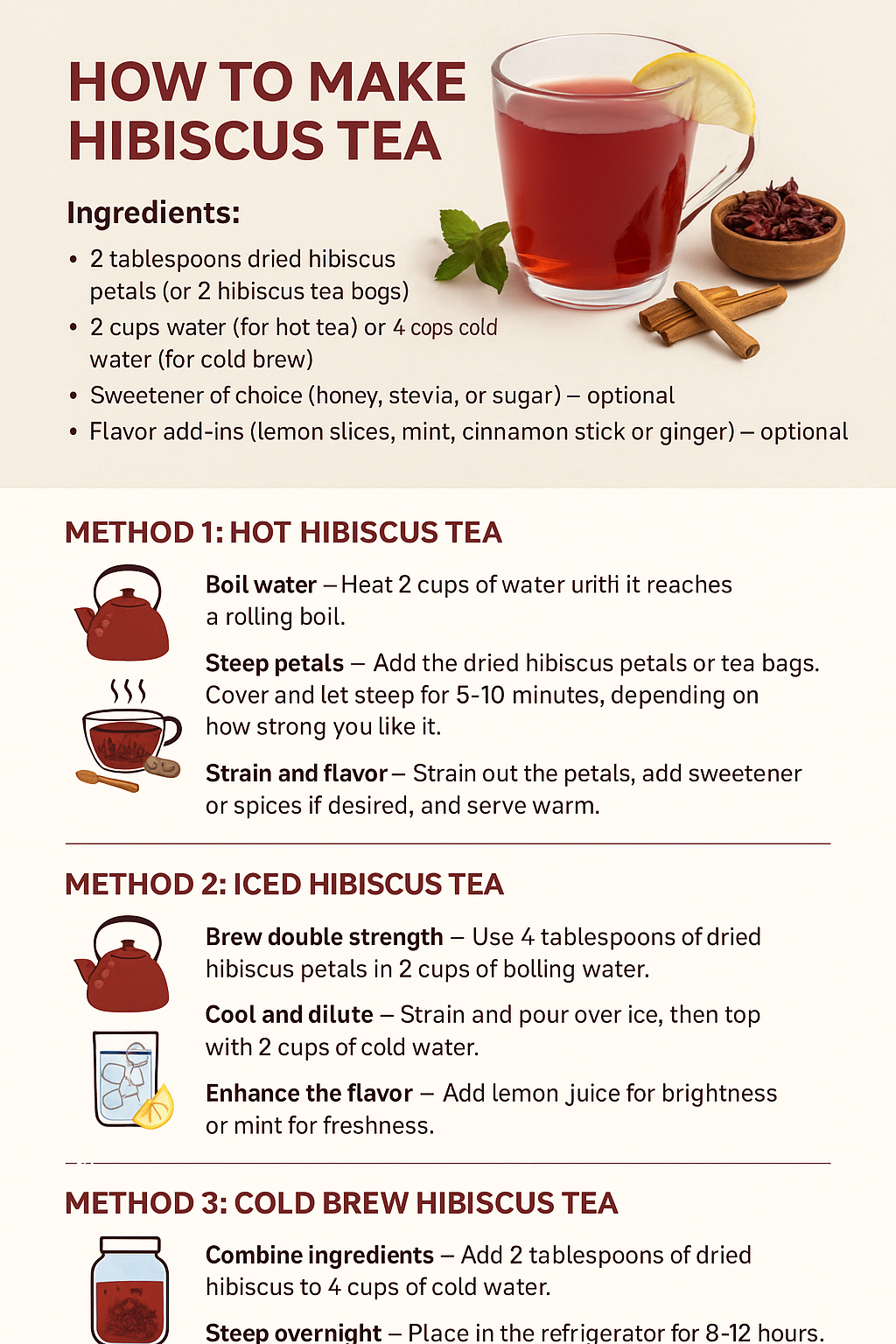
Making hibiscus tea at home is simple, affordable, and allows you to enjoy both hot and cold variations. Here’s a practical guide:
Ingredients:
- 2 tablespoons dried hibiscus petals (or 2 hibiscus tea bags)
- 2 cups water (for hot tea) or 4 cups cold water (for cold brew)
- Sweetener of choice (honey, stevia, or sugar) – optional
- Flavor add-ins (lemon slices, mint, cinnamon stick, or ginger) – optional
Method 1: Hot Hibiscus Tea
- Boil water – Heat 2 cups of water until it reaches a rolling boil.
- Steep petals – Add the dried hibiscus petals or tea bags. Cover and let steep for 5–10 minutes, depending on how strong you like it.
- Strain and flavor – Strain out the petals, add sweetener or spices if desired, and serve warm.
Method 2: Iced Hibiscus Tea
- Brew double strength – Use 4 tablespoons of dried hibiscus petals in 2 cups of boiling water.
- Cool and dilute – Strain and pour over ice, then top with 2 cups of cold water.
- Enhance the flavor – Add lemon juice for brightness or mint for freshness.
Method 3: Cold Brew Hibiscus Tea
- Combine ingredients – Add 2 tablespoons of dried hibiscus to 4 cups of cold water.
- Steep overnight – Place in the refrigerator for 8–12 hours.
- Strain and serve – Pour into a glass, garnish with citrus, and enjoy a smoother, less tart version of hibiscus tea.
Health Benefits of Hibiscus Tea
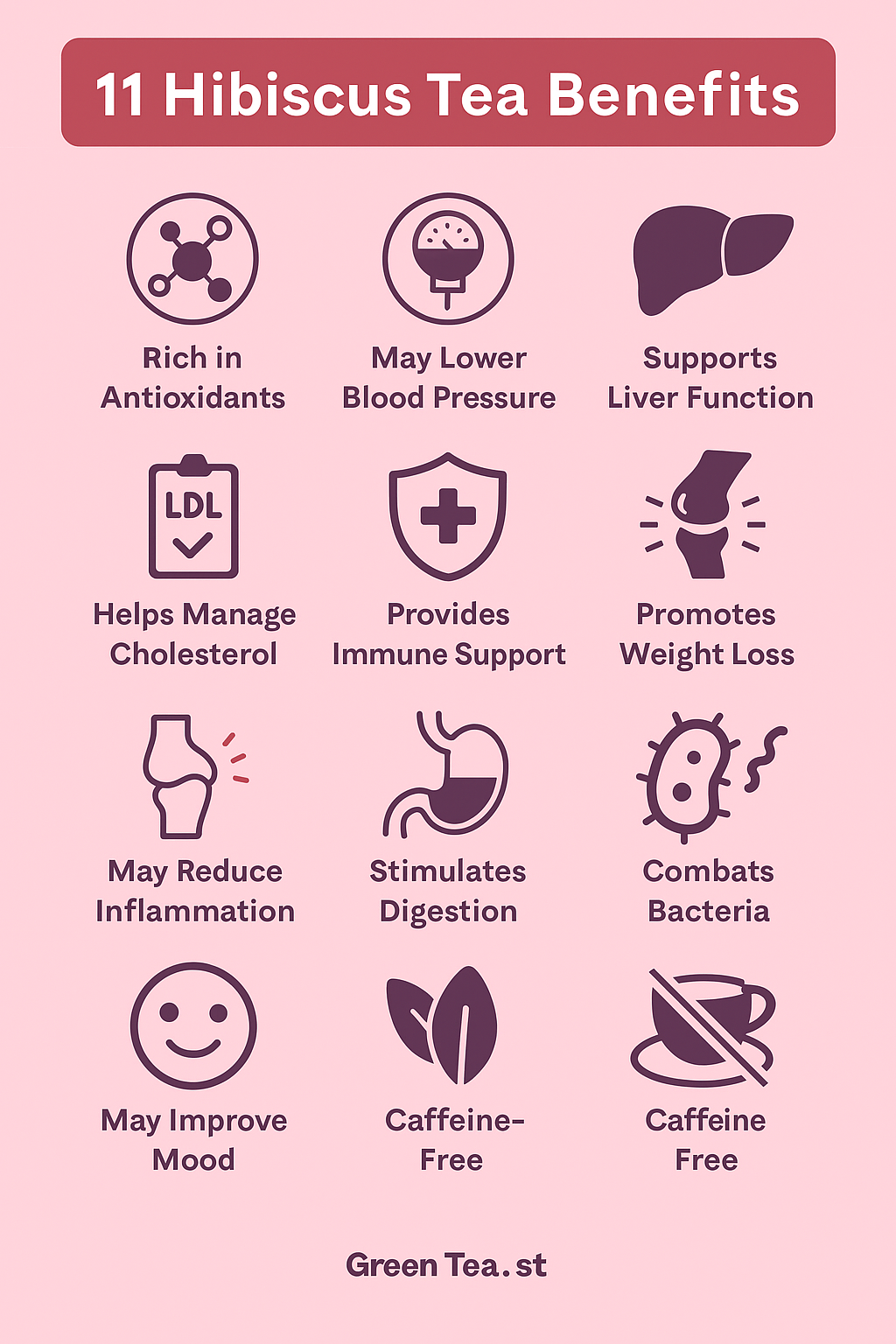
Beyond its striking ruby color and refreshing tartness, hibiscus tea is packed with compounds that can impact health in meaningful ways. Modern research and traditional use both point to its role in supporting the heart, balancing blood pressure, protecting the liver, and supplying antioxidants. Unlike sugary beverages, hibiscus tea offers a caffeine-free, nutrient-rich option that can be enjoyed daily for both wellness and pleasure.
1. Supports Heart Health
One of the strongest reasons hibiscus tea has earned global recognition is its potential role in supporting cardiovascular wellness. The anthocyanins and flavonoids in hibiscus help protect the lining of blood vessels from oxidative damage, which can lead to atherosclerosis. These compounds also promote better circulation and may help lower LDL cholesterol while increasing HDL cholesterol levels.
A review of clinical studies highlights hibiscus tea’s impact on cardiovascular markers, noting improvements in lipid profiles and reductions in arterial stiffness. This makes hibiscus not just a refreshing beverage but a heart-friendly addition to your diet (1).
2. Helps Manage Blood Pressure
Hibiscus tea has gained particular attention for its blood pressure–lowering potential. Several randomized controlled trials have found that regularly drinking hibiscus tea can lead to significant reductions in both systolic and diastolic blood pressure. This is likely due to its natural diuretic effects, which help the body excrete excess sodium and water, reducing strain on the cardiovascular system.
Compared with some herbal teas that only provide mild relaxation, hibiscus has measurable physiological effects that make it a safe complementary approach for those at risk of hypertension. For people looking for a natural alternative to sugar-sweetened drinks, hibiscus offers hydration and support for blood pressure management without added calories or caffeine (2).
3. Promotes Liver Health
The liver is one of the body’s hardest-working organs, responsible for detoxifying the blood, metabolizing fats, and storing essential nutrients. Hibiscus tea may help protect and support liver function through its antioxidant-rich compounds, particularly anthocyanins. Animal and human studies suggest that hibiscus extract can reduce fat accumulation in the liver and enhance the activity of detoxifying enzymes.
By reducing oxidative stress in liver tissues, hibiscus tea may play a role in preventing conditions like fatty liver disease. While more clinical trials are needed, early evidence makes hibiscus a promising herbal ally for maintaining a healthier liver (3).
4. Rich in Antioxidants
One of the standout qualities of hibiscus tea is its impressive antioxidant content. Compounds like anthocyanins, flavonoids, and vitamin C all work together to neutralize harmful free radicals in the body. These unstable molecules can cause cell damage, accelerate aging, and increase the risk of chronic diseases such as heart disease, diabetes, and certain cancers.
Drinking hibiscus tea provides a plant-based way to increase your daily antioxidant intake. Compared to many other herbal teas, hibiscus offers a particularly high concentration of anthocyanins, which are not only responsible for its deep red color but also its potent free-radical–scavenging activity (4).
5. Supports Weight Management
Hibiscus tea has been studied for its potential role in weight management. Certain compounds in the tea, such as polyphenols and flavonoids, may help regulate metabolism and reduce fat accumulation. Some research suggests that hibiscus extract can inhibit the production of amylase, the enzyme responsible for breaking down starch into sugar. This could mean fewer calories absorbed from carbohydrate-rich meals.
In addition, hibiscus tea is naturally low in calories and caffeine-free, making it a refreshing substitute for sugary drinks. For those aiming to reduce body weight or maintain a healthy lifestyle, swapping in hibiscus tea as a daily beverage may offer small but meaningful support (5).
6. Boosts Immune Health
Packed with vitamin C, hibiscus tea provides a natural immune boost. Vitamin C is essential for supporting white blood cell production, which is crucial for fighting infections. Alongside this, hibiscus contains antimicrobial and anti-inflammatory compounds that may enhance the body’s ability to resist common illnesses like colds and flu.
By reducing oxidative stress and inflammation, hibiscus also strengthens overall immune resilience. This makes it an ideal daily drink, especially during seasonal changes when the immune system is more vulnerable. Regular consumption may not prevent every infection, but it can give the body a stronger foundation for defense (6).
7. Supports Healthy Skin
Hibiscus tea is often called the “anti-aging tea” because of its rich antioxidant profile. The anthocyanins and vitamin C in hibiscus fight free radicals, which are molecules that speed up skin aging by damaging collagen and elastin. By protecting these proteins, hibiscus helps maintain skin elasticity, reducing the appearance of fine lines and dullness.
Its natural acids also have mild exfoliating properties, which may brighten the skin when used in topical preparations like masks or toners. Drinking hibiscus tea regularly nourishes skin from within, offering hydration and antioxidants that contribute to a youthful, healthy glow (7).
8. Aids Digestion
Traditionally, hibiscus tea has been used to support digestion and ease mild stomach discomfort. Its natural acids, such as citric and malic acid, may help improve bile secretion, which supports smoother fat digestion. Some studies also suggest that hibiscus extract may have mild diuretic and laxative effects, promoting regularity and helping the body eliminate toxins more efficiently.
For those prone to bloating or indigestion after heavy meals, hibiscus tea can act as a gentle digestive aid. It is caffeine-free, soothing to the stomach, and can be enjoyed either warm or cold, making it an accessible choice for digestive wellness (8).
9. May Have Anti-Cancer Potential
Research has shown that hibiscus contains bioactive compounds such as polyphenols and anthocyanins that may slow down the growth of certain cancer cells in laboratory studies. In test-tube experiments, hibiscus extract demonstrated the ability to trigger apoptosis, or programmed cell death, in leukemia and gastric cancer cells. While these are early findings and more human studies are needed, the results suggest that hibiscus may hold promise as part of a cancer-preventive diet.
It is important to note that hibiscus tea should never be seen as a treatment for cancer, but its high antioxidant content contributes to overall cellular health, making it a supportive addition to a balanced diet (9).
10. Supports Liver Health
Your liver is central to detoxification and metabolic balance, and hibiscus tea has been studied for its potential to protect this vital organ. Animal and human studies indicate that hibiscus extract may improve liver steatosis (fat accumulation) and enhance antioxidant enzyme activity in the liver. These effects could help prevent liver damage from oxidative stress and support better metabolic regulation.
In one small clinical study, patients with fatty liver disease who consumed hibiscus extract showed reduced liver fat and improved overall markers of liver health. While tea alone is not a cure, it can be part of a supportive lifestyle approach to liver care (10).
11. Promotes Healthy Skin
Hibiscus tea is often referred to as the “botox plant” because of its potential role in skin health. The antioxidants and natural alpha hydroxy acids (AHAs) in hibiscus may help combat free radical damage, reduce signs of aging, and improve skin elasticity. These compounds also support collagen production, which is vital for maintaining firm and youthful-looking skin.
Drinking hibiscus tea regularly can complement topical skincare by providing hydration and internal nourishment. Some studies also suggest hibiscus extract may reduce melanin production, which could help with hyperpigmentation issues (11).
Side Effects and Precautions of Hibiscus Tea
While hibiscus tea is safe for most people, a few precautions are worth noting:
- Blood Pressure Effects
- Hibiscus tea can lower blood pressure.
- Those already on antihypertensive medications should monitor intake to avoid excessive drops.
- Pregnancy and Fertility Concerns
- Some studies suggest hibiscus may stimulate uterine contractions.
- Pregnant women and those trying to conceive should avoid it unless approved by a doctor.
- Drug Interactions
- Hibiscus may interact with medications such as diuretics, ACE inhibitors, and certain pain relievers.
- Always consult a healthcare professional if taking regular medications.
- Potential Liver Stress at High Doses
- While supportive in moderate amounts, high concentrations of hibiscus extract may stress the liver.
- Stick to safe daily servings (2–3 cups).
- Allergic Reactions
- Rare but possible, especially for those sensitive to plants in the Malvaceae family.
- Symptoms may include skin rash, itching, or mild respiratory issues.
FAQs About Hibiscus Tea
Most experts suggest 1–3 cups per day is safe for healthy adults. More than that could increase the risk of low blood pressure or interact with medications.
Yes, studies show hibiscus extract may reduce body fat and inhibit carbohydrate absorption, making it a useful addition to a healthy diet.
No, hibiscus tea is not recommended during pregnancy as it may stimulate uterine contractions.
No, hibiscus tea is naturally caffeine-free, making it a relaxing option for any time of day.
Yes, it is caffeine-free and has calming effects that may support relaxation and better sleep.
Conclusion
Hibiscus tea is far more than a refreshing, tart herbal drink. From supporting heart health and lowering blood pressure to aiding digestion, weight management, and skin vitality, it offers a wide spectrum of benefits backed by traditional use and modern research.
Still, like any wellness habit, moderation is key. Those on blood pressure medications, pregnant women, or individuals with existing medical conditions should exercise caution and seek medical advice before making hibiscus tea a daily ritual.
For most, though, enjoying a cup or two each day is a safe and delicious way to boost hydration, deliver antioxidants, and enhance overall well-being.


