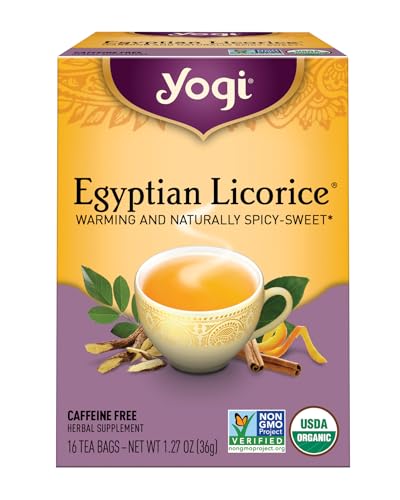
Licorice Spice Herbal Tea: Benefits and Side Effects
Herbal teas have long been a staple for those seeking both comfort and wellness in a cup, and among the many blends available, licorice spice herbal tea stands out for its natural sweetness and warming character. Unlike most herbal teas that need honey or sugar to enhance flavor, licorice root itself contains glycyrrhizin, a compound up to 50 times sweeter than table sugar. When combined with spices like cinnamon, cloves, cardamom, and ginger, the result is a fragrant, soothing tea that feels as much like a dessert as a health tonic.
Traditionally, licorice root has been used in Ayurvedic and Chinese medicine for centuries to support digestion, respiratory function, and overall vitality. Today, it remains a popular ingredient in wellness teas, not only for its therapeutic potential but also for its unique, naturally sweet flavor. Modern research has started to validate some of these age-old claims, linking licorice compounds to anti-inflammatory and antimicrobial effects (1).
What is Licorice Spice Herbal Tea?
Licorice spice herbal tea is a flavorful infusion that blends dried licorice root with aromatic spices such as cinnamon, ginger, cloves, and cardamom. This creates a sweet, spicy, and slightly earthy tea that is both invigorating and caffeine-free. Unlike plain licorice root tea, which can be overwhelmingly sweet or earthy for some palates, the spice blend balances the flavors, offering depth and warmth with every sip.
Culturally, licorice root has a long history in traditional medicine. In Ayurveda, it is known as Yashtimadhu and is valued as a throat soother and digestive aid. In Chinese medicine, it is considered a harmonizer herb, included in many formulations to enhance the effects of other ingredients. Licorice spice blends build on this tradition, offering not just medicinal support but also a comforting beverage for daily enjoyment.
Nutritional and Phytochemical Profile
Licorice spice herbal tea is not rich in macronutrients like proteins or fats, but it contains powerful phytochemicals that contribute to its health effects. The main compound, glycyrrhizin, is responsible for its natural sweetness and has been studied for anti-inflammatory and antimicrobial properties. Additionally, flavonoids and saponins contribute to antioxidant activity, while the added spices like cinnamon and ginger bring their own beneficial compounds, such as cinnamaldehyde and gingerol.
The water infusion extracts these soluble compounds, giving the tea its unique wellness profile without adding caffeine. Regular consumption in moderation may provide gentle digestive, respiratory, and immune support (2).
Key Compounds in Licorice Spice Herbal Tea
| Compound | Source | Category | Potential Benefits |
|---|---|---|---|
| Glycyrrhizin | Licorice root | Sweet-tasting saponin | Anti-inflammatory, antimicrobial, sweetener |
| Flavonoids | Licorice root & spices | Antioxidants | Protects cells from oxidative stress |
| Saponins | Licorice root | Phytochemicals | Supports immune response, anti-inflammatory |
| Cinnamaldehyde | Cinnamon | Polyphenol | Improves circulation, antibacterial effects |
| Gingerol | Ginger | Phenolic compound | Digestive aid, anti-nausea, antioxidant |
| Essential oils | Clove, cardamom | Aromatic compounds | May support oral health, digestive function |
Benefits of Licorice Spice Herbal Tea
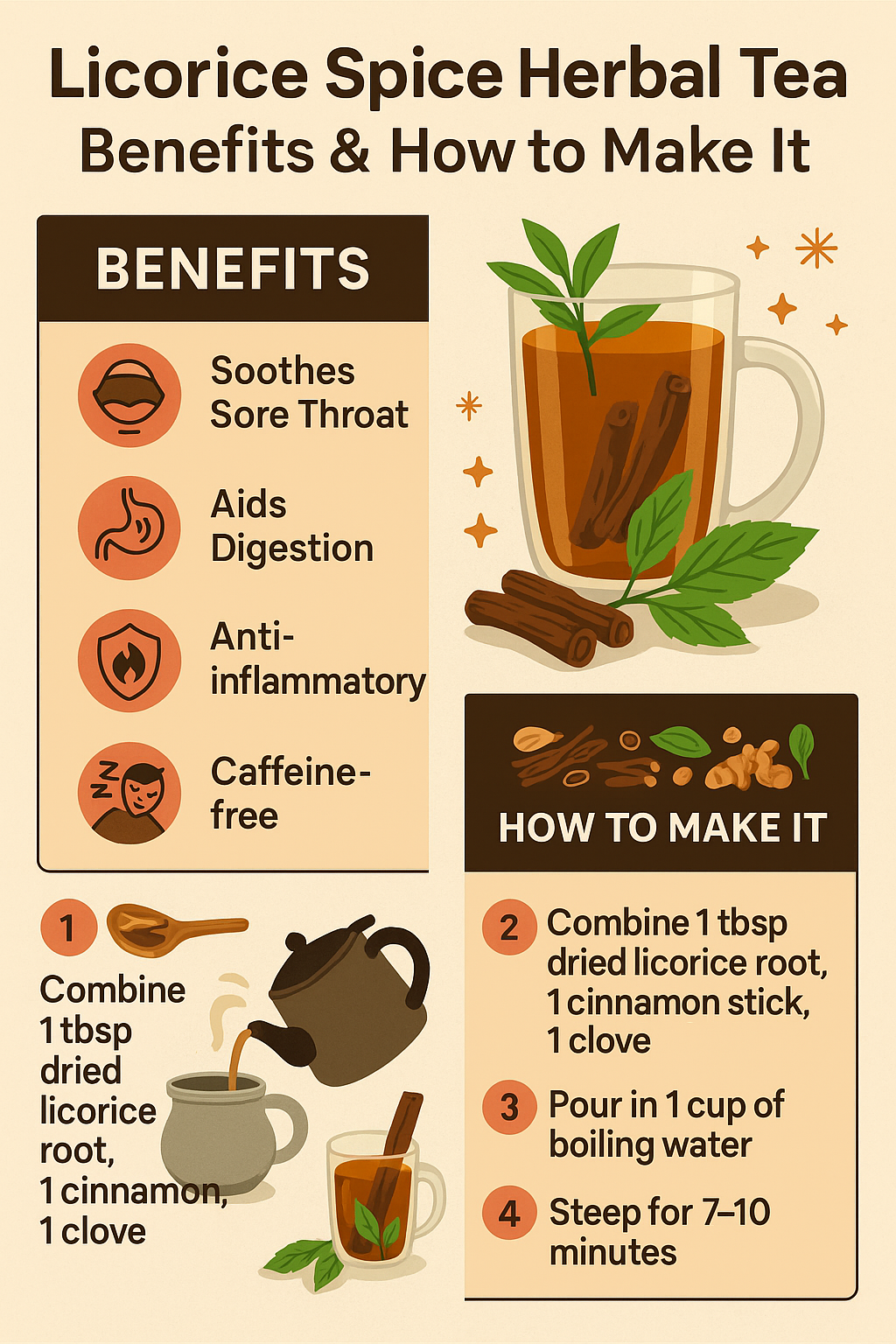
Licorice spice herbal tea is more than just a naturally sweet, warming drink. Thanks to its unique blend of bioactive compounds and aromatic spices, it has been valued in traditional medicine and is increasingly studied for its wellness-promoting potential. Here are some of the key benefits, starting with digestion and throat health.
1. Supports Digestive Health
Licorice root has long been used to ease digestive discomfort, including bloating, indigestion, and mild constipation. The glycyrrhizin and flavonoids in licorice may help soothe the digestive tract by reducing inflammation and protecting the stomach lining.
When combined with spices like ginger and cardamom, licorice spice tea can further support digestion by stimulating digestive enzymes and reducing nausea. This makes it a gentle after-meal tea that supports both comfort and nutrient absorption (3).
2. Naturally Soothes Sore Throats
Licorice root is often included in throat lozenges and herbal remedies for its soothing qualities. The mucilage and glycyrrhizin form a coating effect, helping to reduce irritation in the throat and relieve coughing.
Paired with warming spices like cinnamon and clove, licorice spice tea can act as a natural comfort drink during cold or flu season. It may also provide mild antimicrobial activity, helping to protect against common throat infections while easing discomfort.
3. Anti-Inflammatory and Antioxidant Support
Licorice root contains glycyrrhizin, flavonoids, and saponins, all of which exhibit anti-inflammatory and antioxidant effects. These compounds help neutralize free radicals, which damage cells and accelerate aging, while also calming inflammation that contributes to chronic conditions.
The inclusion of cinnamon and cloves in licorice spice tea boosts its antioxidant activity even further. Regular consumption in moderation may support the body’s defense systems, reduce oxidative stress, and protect tissues from long-term damage (4).
4. May Support Respiratory Health
One of the most traditional uses of licorice root is as a remedy for respiratory complaints. Its natural expectorant properties can help loosen mucus and make it easier to expel, supporting clearer breathing during colds or seasonal allergies.
The warming spices in the blend, particularly ginger and cardamom, complement this effect by opening airways and soothing irritation. As a result, licorice spice herbal tea is often considered a comforting option during respiratory infections or seasonal congestion.
5. Helps Balance Stress and Fatigue
Licorice root has been studied for its potential adaptogenic qualities, meaning it may help the body cope with physical and mental stress. Compounds in licorice may influence cortisol metabolism, which is the hormone tied to stress response and energy regulation.
Drinking licorice spice tea can provide a natural energy lift without caffeine, making it a gentle way to fight afternoon fatigue. Combined with the warming, stimulating spices like ginger and cinnamon, it becomes both a calming and invigorating daily ritual.
6. Supports Oral Health
Cloves and cardamom in licorice spice tea are rich in essential oils known for their antibacterial properties. These can help reduce harmful oral bacteria, freshen breath, and support gum health.
Licorice root itself has also been investigated for its antimicrobial effects, suggesting it may play a role in protecting oral tissues and reducing the risk of cavities. Sipping this tea regularly can serve as a natural complement to good oral hygiene practices.
7. A Caffeine-Free Energizing Alternative
One of the standout features of licorice spice herbal tea is that it provides an energizing effect without caffeine. Unlike black or green tea, which contain varying amounts of caffeine, this herbal blend relies on warming spices like cinnamon, ginger, and cloves, alongside the natural sweetness of licorice root, to gently stimulate the senses.
For people who are sensitive to caffeine or prefer to limit intake, this makes licorice spice tea a great option. It can be enjoyed in the evening without disturbing sleep, yet still offers a sense of warmth and vitality, making it an excellent daily beverage choice.
Side Effects and Precautions of Licorice Spice Herbal Tea
While licorice spice herbal tea is safe for most people when enjoyed in moderation, there are some important points to keep in mind:
- Raises Blood Pressure in High Amounts
- Licorice root contains glycyrrhizin, which can increase sodium retention and lower potassium levels.
- Excessive intake may raise blood pressure or lead to water retention.
- Possible Drug Interactions
- Licorice can interact with medications such as diuretics, corticosteroids, and blood pressure drugs.
- Always check with a healthcare provider if you are on prescribed medication.
- Not Suitable During Pregnancy
- Studies suggest that high consumption of licorice may affect hormone levels.
- Pregnant women are advised to avoid licorice root products.
- Hormone-Sensitive Conditions
- Because licorice can influence estrogen activity, it may not be suitable for individuals with conditions like breast cancer, uterine fibroids, or endometriosis.
- Possible Side Effects in Sensitive People
- Headache, dizziness, or digestive upset can occur in rare cases.
- Reducing intake usually resolves these symptoms.
How to Make Licorice Spice Herbal Tea
Licorice spice tea can be made using dried licorice root or a blend that combines licorice with spices such as cinnamon, cloves, or cardamom. Here’s a simple way to prepare it at home:
Ingredients
- 1 teaspoon dried licorice root (or 1 tea bag of licorice spice blend)
- 1 cup of water (about 240 ml)
- Optional: a cinnamon stick, a few cardamom pods, or a slice of fresh ginger for extra warmth
- Honey or lemon, to taste
Brewing Steps
- Boil Water
- Bring 1 cup of fresh water to a gentle boil.
- Add Licorice Root
- Place dried licorice root (or a tea bag) into a teapot or cup.
- Steep
- Pour the hot water over the licorice root.
- Allow it to steep for 7–10 minutes for a stronger flavor.
- Strain and Flavor
- If using raw licorice root and spices, strain the tea before drinking.
- Add honey or lemon for a balanced, soothing taste.
Tip
Licorice tea has a naturally sweet taste, so you may not need additional sweeteners. Drinking it warm makes it more soothing, especially for the throat.
FAQs About Licorice Spice Herbal Tea
It’s best to enjoy licorice tea in moderation. Daily small servings are generally safe for most people, but long-term heavy use may cause side effects like increased blood pressure.
Pregnant or breastfeeding women should avoid licorice tea unless advised by a doctor, as compounds in licorice can affect hormones.
Yes. It may interact with blood pressure drugs, diuretics, or heart medications. Always consult a healthcare professional before regular use.
No, licorice spice tea is naturally caffeine-free, making it a calming evening drink.
Conclusion
Licorice spice herbal tea is more than just a sweet, aromatic drink — it comes with real health-supporting potential. From soothing sore throats to supporting digestion and calming inflammation, it’s a beverage that offers both comfort and wellness. But like many herbs, moderation is key. People with certain conditions, or those taking specific medications, should use it cautiously and seek professional guidance if unsure.
Prepared with simple ingredients and warming spices, licorice spice tea can become a delightful, healthful ritual in your daily routine.