
Mother’s Milk Tea: Benefits, Ingredients, and Side Effects
Mother’s Milk Tea has become a household name among new mothers looking for natural ways to support breastfeeding. Unlike traditional teas made from Camellia sinensis, this is an herbal infusion specifically formulated to encourage lactation. For centuries, cultures across the world have used herbal remedies like fenugreek and fennel to promote milk flow, and Mother’s Milk Tea brings these age-old practices into a convenient, ready-to-brew blend.
Today, it’s one of the most popular galactagogue teas, often recommended by lactation consultants and trusted by nursing mothers who prefer a natural option over supplements or medications. While its effectiveness can vary from person to person, it remains a gentle, caffeine-free drink that supports both hydration and wellness during the postpartum period (1).
What is Mother’s Milk Tea?
Mother’s Milk Tea is an herbal tea blend designed to promote lactation and support overall postpartum wellness. Produced by companies like Traditional Medicinals, it contains a mixture of herbs known as galactagogues—plants believed to encourage breast milk production. These teas are usually caffeine-free and safe for daily consumption, which makes them an accessible option for new mothers.
Unlike black, green, or oolong teas that come from the tea plant, Mother’s Milk Tea is entirely herbal. The blend typically includes fenugreek seed, fennel seed, anise, and blessed thistle, all of which have a long history in herbal medicine for nursing support. Steeping a tea bag in hot water for 10 minutes produces a strong, licorice-like flavor, with slightly bitter and earthy notes. Though taste can be polarizing, many women find it soothing, especially when enjoyed warm as part of their breastfeeding routine (2).
Ingredients of Mother’s Milk Tea
Mother’s Milk Tea contains a carefully selected mix of herbs, each with a long history in traditional medicine for supporting breastfeeding and women’s health. The most common formula (like that of Traditional Medicinals) includes the following:
| Herb | Traditional Role | How It May Help |
|---|---|---|
| Fenugreek Seed | Used for centuries as a galactagogue in Middle Eastern and Indian medicine. | May increase milk supply by stimulating sweat glands, which are related to mammary glands. Some mothers notice results within 24–72 hours. |
| Fennel Seed | Commonly used in Mediterranean diets and herbal remedies. | Believed to contain phytoestrogens that mimic estrogen’s role in milk production; also soothes digestive discomfort in both mother and baby. |
| Anise Seed | Used in traditional European herbal medicine. | Provides a licorice-like flavor; contains compounds that may encourage milk secretion and ease gas or bloating. |
| Blessed Thistle | Known in medieval European herbalism as a tonic for women. | Traditionally used to support digestion and stimulate milk flow when combined with fenugreek. |
| Coriander Seed | Popular in Ayurvedic and Middle Eastern traditions. | Adds warmth and balance to the blend; may support digestion and overall wellness. |
| Other Herbs (e.g., Lemongrass, Spearmint, or Hibiscus in some blends) | Added for flavor and aroma. | Not direct galactagogues, but contribute to the tea’s soothing, palatable taste. |
This combination of herbs works in synergy, aiming to stimulate milk production, support digestion, and calm the body during the demanding postpartum phase. While fenugreek and fennel are the powerhouses, the other herbs round out the blend, making it both functional and flavorful (3).
Health Benefits of Mother’s Milk Tea
1. May Promote Milk Production
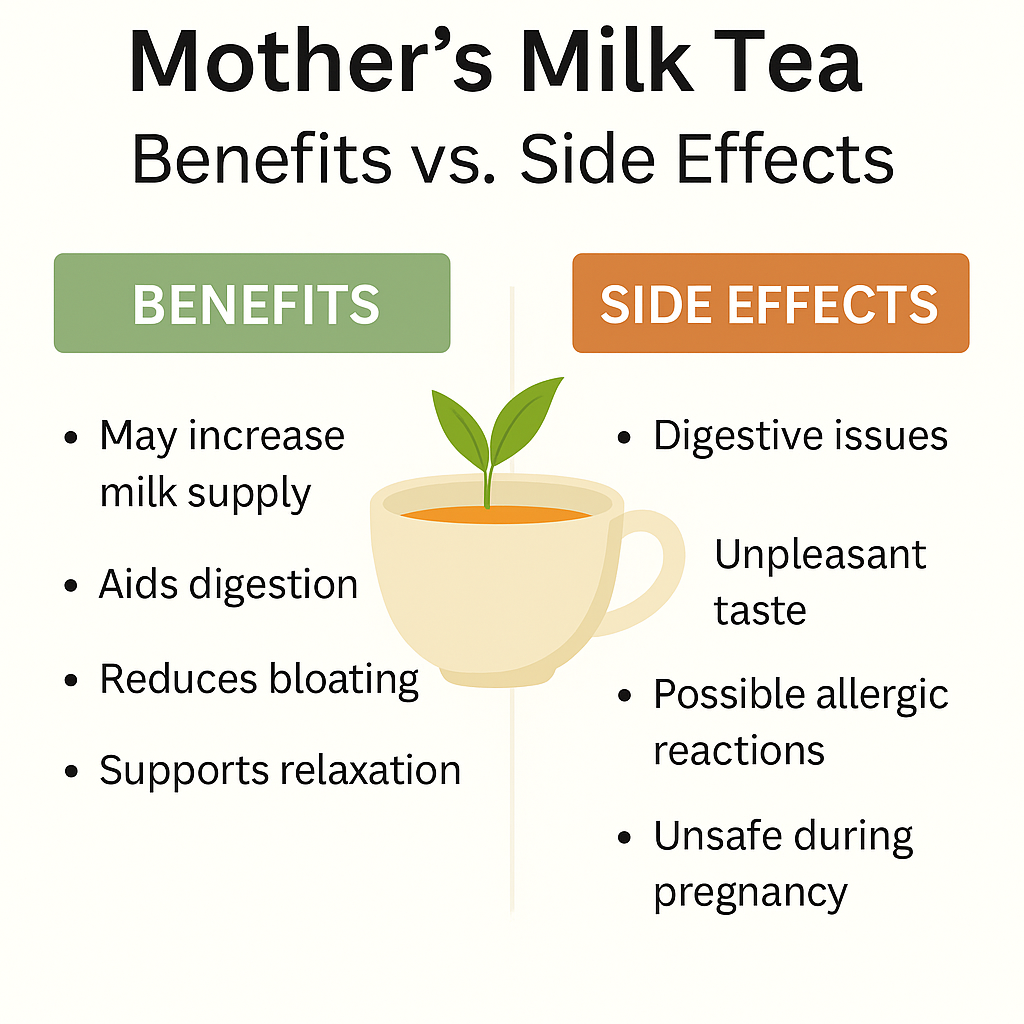
The core purpose of Mother’s Milk Tea is lactation support, and its flagship herb is fenugreek. Fenugreek seeds contain steroidal saponins that may influence prolactin or related pathways involved in milk synthesis. Clinical reports and lactation references note that some mothers experience an increase in expressed milk volume within several days of consistent use. Effects vary by individual, but among herbal options, fenugreek is one of the most commonly cited galactagogues used under professional guidance (4).
How it helps: regular cups provide a steady intake of fenugreek actives that may support milk output alongside frequent nursing or pumping, proper latch, and good overall hydration.
2. Can Soothe Digestion for Mom and Baby
Fennel and anise are classic carminative herbs. Their essential oils, including anethole and fenchone, have been studied for antispasmodic, gas-relieving effects that can ease bloating and digestive discomfort. For nursing parents, a calmer gut can feel like a big win during the postpartum period. Some traditional formulations use fennel to support milk flow while also promoting digestive comfort, which may indirectly help fussy, gassy infants through breastmilk exposure, though high-quality trials are limited (5).
How it helps: fennel and anise bring gentle, time-honored GI support to the blend, making daily use more comfortable for sensitive stomachs.
3. Supports Postpartum Hydration and a Calming Routine
A simple but meaningful benefit is hydration. Breastfeeding increases fluid needs, and warm, caffeine-free herbal tea can help you meet daily intake targets. Adequate fluid intake is associated with better overall well-being in lactation, and a soothing tea ritual can reduce stress, which often affects let-down and perceived supply. While tea alone does not determine milk volume, it can be a helpful part of a balanced routine that includes nursing on demand, rest, and nutrition (6).
How it helps: consistent, enjoyable fluid intake supports overall lactation care, and the warm, aromatic cup can become a relaxing cue around feeding sessions.
4. Provides Antioxidant and Anti-Inflammatory Support
Beyond its lactation herbs, Mother’s Milk Tea contains supportive botanicals like coriander and blessed thistle, which supply flavonoids and polyphenols. These compounds act as antioxidants, helping the body combat oxidative stress. The postpartum period is physiologically demanding, and reducing inflammation supports overall recovery. Some herbs in the blend, like blessed thistle, have also been traditionally used for immune and digestive resilience (7).
How it helps: drinking a cup daily not only assists with milk flow but may also contribute to general postpartum recovery by easing oxidative load and promoting healing.
5) May Help Relaxation and Reduce Stress
Nursing can be a joyful but also stressful experience, and stress itself can interfere with milk let-down reflexes. Herbs such as anise and fennel have aromatic oils that provide a naturally calming effect on the nervous system. The act of sipping a warm herbal infusion also encourages moments of stillness, which may improve relaxation and lower cortisol levels. Even small reductions in stress can positively influence breastfeeding consistency and comfort (8).
How it helps: Mother’s Milk Tea can serve as a gentle ritual for self-care, helping mothers carve out a few quiet minutes that may improve both emotional well-being and breastfeeding outcomes.
6. Supports Digestive Comfort for Infants
Some mothers report that babies seem less colicky or gassy when the parent drinks fennel-based teas. While evidence is preliminary, studies suggest that anethole from fennel may pass into breast milk in trace amounts, potentially offering mild digestive relief for infants. Though not a substitute for pediatric care, this folk practice is one reason fennel has been used for centuries in lactation blends (9).
How it helps: by indirectly soothing digestion in babies, the tea may ease crying spells and promote calmer feeding sessions, contributing to a more positive nursing experience overall.
Side Effects and Precautions of Mother’s Milk Tea
While generally considered safe for many breastfeeding women, Mother’s Milk Tea contains potent herbs that deserve careful attention:
- Potential Allergic Reactions
- Some herbs, like fennel and anise, may trigger allergies in sensitive individuals.
- Symptoms can include skin irritation, rash, or respiratory discomfort.
- Hormonal Effects
- Fenugreek can mimic estrogen activity, which might not be suitable for women with hormone-sensitive conditions.
- Those with thyroid, PCOS, or endometriosis should consult a healthcare professional before use.
- Digestive Upset
- Fenugreek and blessed thistle may cause loose stools, bloating, or stomach cramps in some mothers.
- Babies might also become fussy or gassy if sensitive compounds pass into breast milk.
- Drug Interactions
- Fenugreek can lower blood sugar and may interact with diabetes medications or anticoagulants like warfarin.
- Always check with a doctor if taking prescribed medicines.
- Not Suitable During Pregnancy
- Herbs like fenugreek and blessed thistle may stimulate uterine contractions.
- Pregnant women should avoid Mother’s Milk Tea unless approved by a healthcare provider.
- Overconsumption Risks
- Drinking more than 3–4 cups daily can increase the risk of nausea, dizziness, or excessive milk oversupply.
- Moderation is key for balancing benefits with safety.
How to Brew and Use Mother’s Milk Tea
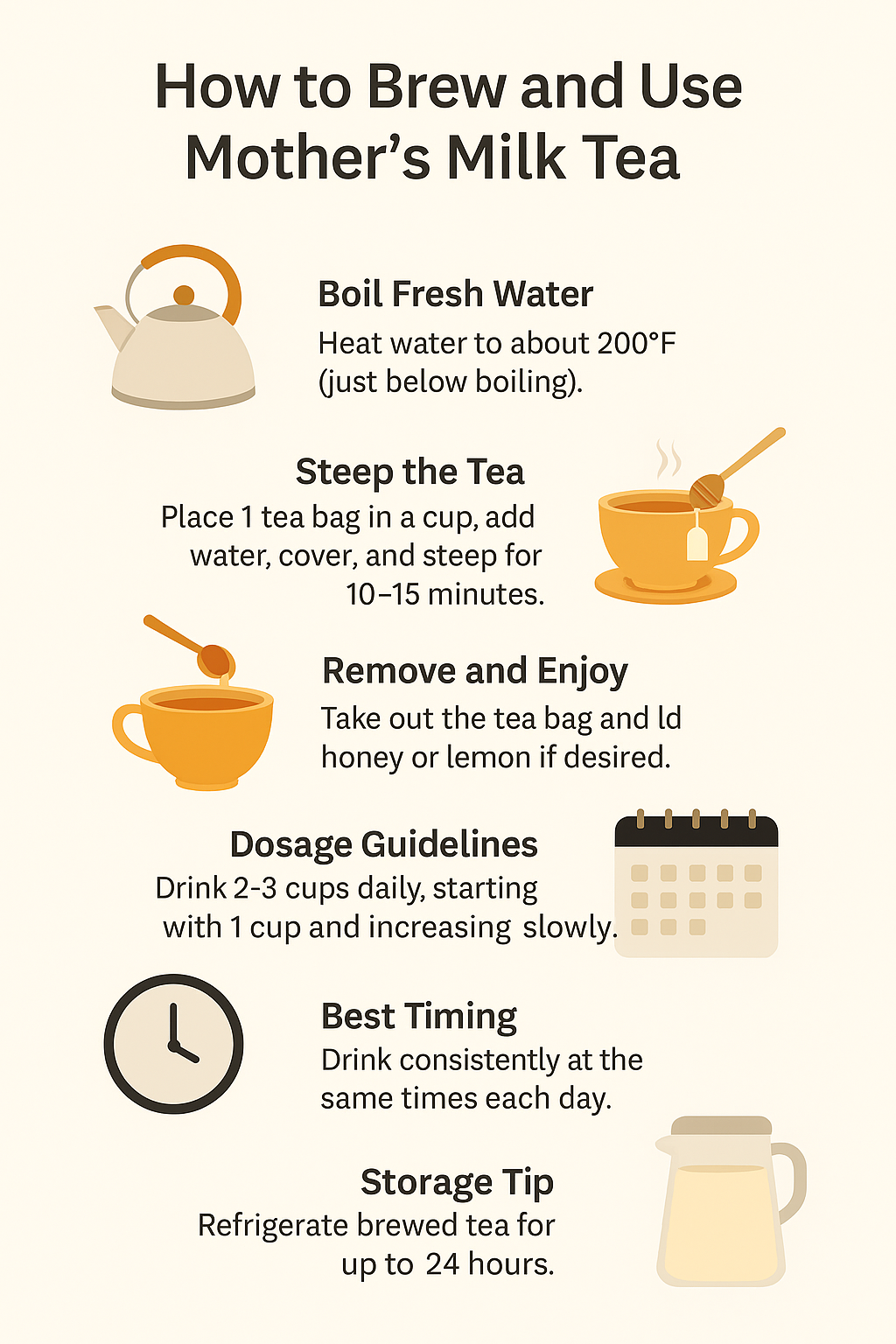
Mother’s Milk Tea is available in both loose herb form and convenient tea bags. Brewing it properly ensures you extract the beneficial compounds while keeping the flavor smooth and palatable.
Step-by-Step Guide
- Boil Fresh Water
- Heat water until it reaches about 200°F (just below boiling).
- Using filtered water can improve taste.
- Steep the Tea
- Place 1 tea bag (or 1 teaspoon loose blend) in a cup.
- Pour the hot water over the tea and cover the cup.
- Let it steep for 10–15 minutes to fully release herbal properties.
- Remove and Enjoy
- Take out the tea bag or strain the herbs.
- Add a natural sweetener like honey or lemon if desired.
- Dosage Guidelines
- Most lactation consultants recommend 2–3 cups daily.
- Start with 1 cup a day and gradually increase as needed.
- Best Timing
- Drink consistently at the same times each day to build effect.
- Many mothers find it useful after feedings or pumping sessions.
- Storage Tip
- Brew larger batches and refrigerate for up to 24 hours.
- Can be enjoyed warm or iced depending on preference.
Who Should Avoid Mother’s Milk Tea?
While Mother’s Milk Tea is considered safe for many breastfeeding women, it is not suitable for everyone. Here are groups that should be cautious or avoid it altogether:
- People with Allergies to Ingredients • The tea often contains herbs like fenugreek, fennel, and anise. • Anyone allergic to legumes (chickpeas, peanuts, soy) may also react to fenugreek.
- Those with Pre-existing Medical Conditions • Women with thyroid issues should avoid it, as certain herbs may interfere with thyroid hormone function. • Individuals with liver disorders should be cautious, as concentrated herbal extracts can place added stress on the liver.
- Pregnant Women • Despite its use during breastfeeding, fenugreek and similar herbs may stimulate uterine contractions. • Pregnant women should avoid it unless prescribed by a qualified healthcare provider.
- Diabetics or People on Blood Sugar Medication • Fenugreek is known to lower blood sugar. • Combining it with diabetic medication may increase the risk of hypoglycemia.
- Those Taking Multiple Medications • Herbal teas can interact with prescriptions like blood thinners, antihypertensives, or hormonal therapies. • Always consult a healthcare professional before combining with medication.
In short, Mother’s Milk Tea should be approached with care, especially if you have allergies, medical conditions, or are pregnant.
FAQs About Mother’s Milk Tea
Some women notice an increase in milk supply within 24 to 72 hours, while for others, it may take a week of consistent use.
No. Mother’s Milk Tea is intended for breastfeeding women. Herbs like fenugreek may trigger uterine contractions, making it unsafe during pregnancy.
Most guidelines suggest 2–3 cups daily. Drinking more than this may cause digestive discomfort or interact with medications.
Yes. Brew as usual, then refrigerate. You can drink it chilled or over ice without reducing its benefits.
Yes. Alternatives include lactation cookies, brewer’s yeast, oatmeal, and other galactagogue supplements. Always discuss with a lactation consultant for personalized support.
Conclusion
Mother’s Milk Tea has become a go-to herbal blend for many breastfeeding women seeking natural support for lactation. With ingredients like fenugreek, fennel, anise, and blessed thistle, it is rich in traditional galactagogues that may boost milk production, support digestion, and help ease stress. However, it’s not suitable for everyone — especially pregnant women, people with allergies, or those managing chronic conditions.
If used mindfully and under the guidance of a healthcare provider, Mother’s Milk Tea can be a comforting part of a new mother’s wellness routine. As with all herbal remedies, balance and moderation are key.


