
11 Health Benefits of Bancha Tea
Bancha is one of Japan’s most beloved everyday teas, often served at home and in casual restaurants. Unlike sencha or gyokuro, which are harvested from younger leaves in early spring, bancha comes from mature leaves picked later in the season. This later harvest gives bancha a more earthy, mild flavor, a lower caffeine content, and a higher concentration of minerals. For this reason, it is considered a practical and family-friendly tea that people of all ages can enjoy.
While less famous than premium teas, bancha has long been valued in Japanese households for both its affordability and its health benefits. It contains catechins, polyphenols, fluoride, calcium, and iron, making it a unique blend of antioxidants and minerals. These compounds are linked to better digestion, improved circulation, stronger bones, and a more balanced metabolism. Because it is gentle on the stomach and lower in caffeine, bancha is often consumed in the evening or after meals, where it supports digestion and relaxation (1).
Here are 11 research-supported health benefits of bancha tea.
What is Bancha Tea?
Bancha is a traditional Japanese green tea made from the mature leaves, stems, and stalks of the Camellia sinensis plant. It is harvested later in the season, usually in summer or autumn, after the earlier harvests of sencha. Because the leaves are older, bancha has a slightly coarser texture and more robust structure, but when brewed, it produces a tea that is mild, earthy, and sometimes slightly nutty.
Historically, bancha has been considered a “daily drink” in Japan. Unlike the more delicate and expensive gyokuro or matcha, bancha is accessible and commonly served in households and casual dining settings. Its lower caffeine content makes it suitable for children, the elderly, and evening consumption. At the same time, it retains antioxidants and minerals such as catechins, calcium, and fluoride, giving it both flavor and health-promoting qualities (2).
Bancha Tea Nutritional Facts
Bancha tea is valued not only for its mild flavor but also for its nutritional profile. Compared with earlier-harvest teas like sencha, bancha contains lower caffeine and higher mineral content, making it gentle yet nourishing. Below is an overview of the key compounds typically found in one brewed cup (240 ml):
| Nutrient / Compound | Approximate Amount | Health Role |
|---|---|---|
| Catechins (EGCG) | 20–30 mg | Antioxidant protection, supports metabolism |
| Polyphenols | 50–70 mg | Anti-inflammatory, cellular health |
| Caffeine | 10–15 mg | Gentle stimulation, lower than sencha |
| L-theanine | 5–6 mg | Promotes relaxation and focus |
| Calcium | 10–15 mg | Strengthens bones and teeth |
| Potassium | 20–30 mg | Regulates circulation and nerve function |
| Vitamin A | Trace | Supports vision and skin health |
| Vitamin C | 1–2 mg | Boosts immunity and antioxidant activity |
| Fluoride | Trace | Protects teeth and prevents cavities |
| Iron | Trace | Contributes to red blood cell production |
Bancha is often highlighted for its minerals. Its calcium and fluoride content support bone and dental health, while its lower caffeine makes it a good option for those sensitive to stimulants. Combined with antioxidants and polyphenols, bancha balances daily wellness with gentle, sustained energy (3).
1. Rich in Antioxidants
Like other Japanese green teas, bancha is packed with catechins and polyphenols, plant compounds that function as antioxidants. These molecules help protect the body against oxidative stress, which occurs when free radicals damage cells. Over time, oxidative stress is linked to aging and chronic conditions such as cardiovascular disease and certain cancers.
Regularly drinking bancha provides the body with a steady supply of antioxidants that support cellular repair and resilience. Even though bancha is harvested later in the season and has slightly fewer catechins than premium teas like gyokuro, it still delivers meaningful antioxidant protection and can be enjoyed daily as part of a healthy lifestyle (4).
2. Low in Caffeine, Gentle on the Body
One of bancha’s most appreciated qualities is its low caffeine content. A typical cup contains only about 10–15 mg of caffeine, which is much less than coffee and even lower than many other green teas. This makes bancha suitable for children, the elderly, or anyone sensitive to stimulants. It is often enjoyed in the evening without disrupting sleep.
Despite being low in caffeine, bancha still offers mild stimulation thanks to its combination of caffeine and L-theanine, which together promote calm focus. For people who want to enjoy the benefits of green tea without the risk of jitters or insomnia, bancha provides an excellent balance between gentle energy and relaxation (5).
3. Supports Heart Health
Bancha contributes to cardiovascular health through its catechins and polyphenols, which support healthy cholesterol and blood vessel function. These compounds help lower LDL cholesterol levels, reduce oxidative damage to arteries, and improve circulation. Together, these effects decrease strain on the heart and may lower the long-term risk of cardiovascular disease.
Population studies on green tea consumption consistently link regular intake to a reduced risk of heart attack and stroke. While bancha has a lower catechin content than sencha, it still offers protective compounds that make it a heart-friendly beverage when consumed regularly (6).
4. Aids Digestion
In Japan, bancha is often consumed after meals because it is thought to aid digestion. The tea’s mild tannins and polyphenols stimulate the digestive system, helping break down food more efficiently. Its light caffeine content can also support healthy bowel movements, reducing sluggishness after heavier meals.
Modern research suggests that the polyphenols in bancha help balance gut bacteria by encouraging beneficial microbes and suppressing harmful ones. This makes it a gentle choice for supporting overall gut health while avoiding the stomach irritation sometimes caused by stronger teas (7).
5. May Support Weight Management
Bancha may support healthy weight management by promoting fat metabolism and increasing calorie burn. Its combination of catechins and caffeine, though milder than sencha or matcha, can still enhance thermogenesis, the body’s process of generating heat and energy from food. This can help boost daily energy expenditure and support weight control when combined with a balanced diet and regular exercise.
Replacing sugary drinks with bancha is another simple way to cut unnecessary calories while still enjoying a satisfying beverage. For people looking for a sustainable, gentle addition to their weight-loss plan, bancha offers a low-caffeine alternative that provides metabolic support without overstimulation (8).
6. Helps Regulate Blood Sugar
Bancha contains polyphenols that can improve insulin sensitivity and help regulate blood glucose levels. By slowing the absorption of sugar into the bloodstream, these compounds reduce post-meal blood sugar spikes, which is beneficial for both metabolic health and long-term disease prevention.
Studies suggest that regular consumption of green teas like bancha may lower the risk of developing type 2 diabetes. For individuals already monitoring their blood sugar, drinking bancha instead of sweetened beverages provides a way to reduce sugar intake while adding compounds that naturally support metabolic balance (9).
7. Strengthens Bones and Teeth
Bancha is particularly rich in calcium and fluoride, minerals essential for maintaining strong bones and dental health. Calcium helps support bone density and reduces the risk of osteoporosis, especially in older adults. Fluoride strengthens tooth enamel, providing natural protection against cavities.
Drinking bancha regularly can therefore contribute to long-term skeletal and dental wellness. Combined with its antioxidants, which also reduce inflammation, bancha supports both bone strength and oral health as part of a balanced diet (10).
8. Boosts Immune Function
The vitamins, minerals, and polyphenols in bancha provide valuable support to the immune system. Compounds such as vitamin C, catechins, and iron help strengthen the body’s natural defenses by enhancing white blood cell activity and reducing oxidative stress.
Studies on green tea have shown that regular consumption may lower the risk of infections like colds and flu. Because bancha is lower in caffeine, it can be consumed more frequently throughout the day, making it an accessible way to strengthen immunity naturally (11).
9. Supports Oral Health
Bancha contributes to oral hygiene through its combination of catechins and natural fluoride. Catechins help inhibit the growth of bacteria in the mouth, particularly Streptococcus mutans, which is linked to cavities. They also reduce bacteria that cause bad breath, making bancha a refreshing choice for daily oral care.
The fluoride present in bancha strengthens tooth enamel, creating a stronger defense against decay. When consumed consistently, bancha can help reduce the risk of cavities and gum problems, while also keeping breath fresher throughout the day (12).
10. Promotes Relaxation and Stress Relief
Bancha’s low caffeine content and presence of L-theanine make it a naturally calming tea. L-theanine promotes the production of alpha brain waves, which are associated with a relaxed but alert state of mind. This helps reduce stress and anxiety while improving concentration and mental clarity.
For people who find stronger green teas too stimulating, bancha provides a gentler option. It can be enjoyed in the evening as a soothing drink that encourages relaxation without interfering with sleep quality (13).
11. May Contribute to Longevity
Bancha is often described as a “daily life tea” in Japan, and its regular consumption has been linked with overall wellness and vitality. The combined effects of antioxidants, minerals, and low caffeine help protect against oxidative stress, support heart and metabolic health, and strengthen the immune system. These are all factors that contribute to healthier aging.
Population studies in Japan suggest that habitual green tea drinkers often experience lower rates of chronic illness and improved life expectancy. While bancha is not as nutrient-dense as matcha or gyokuro, its accessibility and balance of benefits make it a sustainable tea for daily health, supporting long-term wellness and potentially contributing to longevity (14).
How to Make Bancha Tea
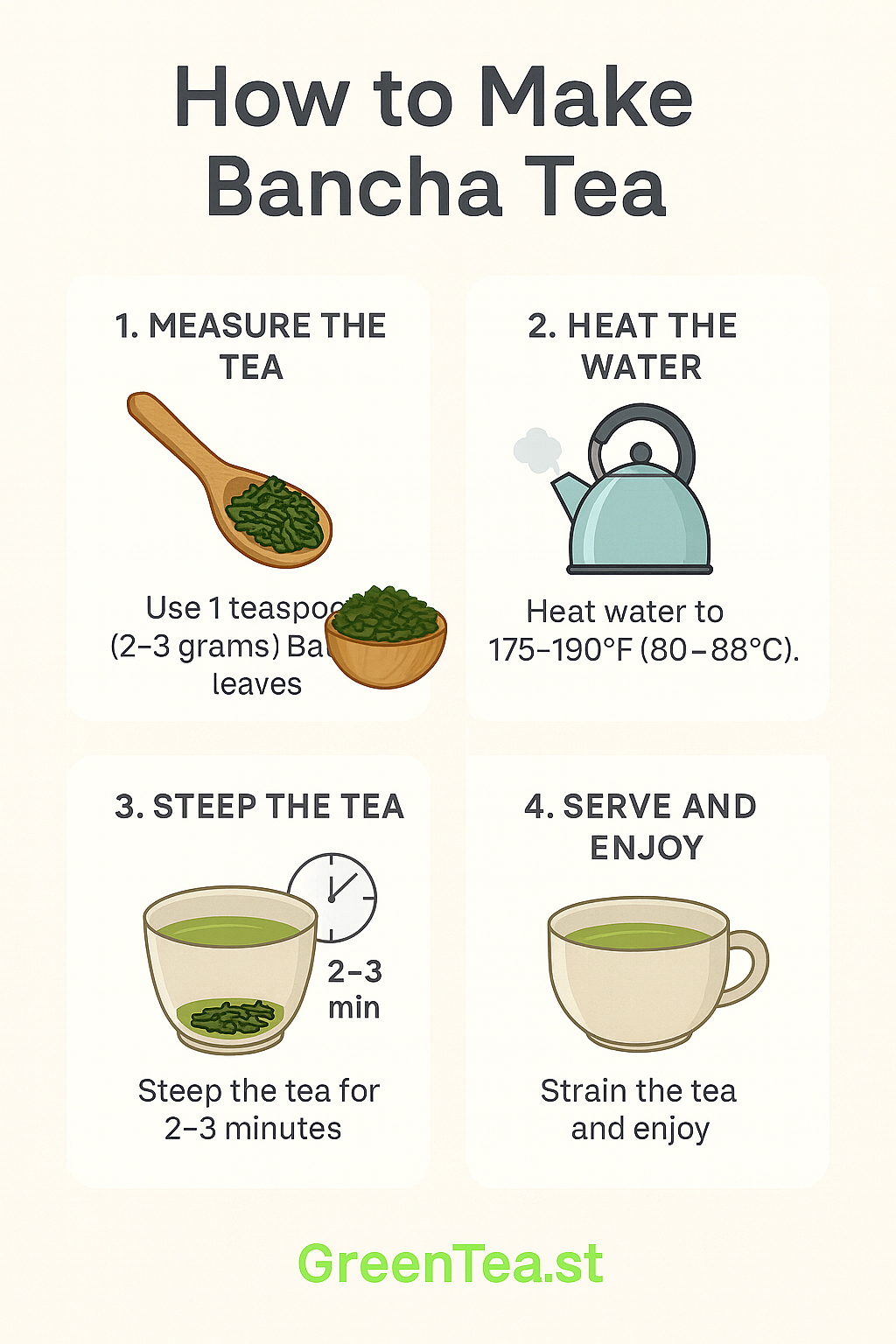
Bancha is one of the simplest Japanese green teas to brew, which makes sense given its role as an everyday household drink. Because it is made from more mature leaves and stems, it is less delicate than sencha or gyokuro. This means it can tolerate slightly hotter water and longer steeping times without becoming overly bitter. Preparing bancha correctly helps bring out its earthy, mild, and slightly nutty character while preserving its nutrients.
Brewing Bancha Tea (Hot)
- Measure the tea
Use about 1 teaspoon (2–3 grams) of bancha leaves per cup (240 ml) of water. If brewing a pot, measure 1 tablespoon per 3 cups of water. - Heat the water
Bancha is best brewed with water between 175–190°F (80–88°C). Unlike delicate teas like gyokuro, bancha can handle slightly hotter water because its mature leaves are sturdier. - Steep the tea
Pour hot water over the leaves and steep for 2–3 minutes. A shorter steep will give a lighter, refreshing taste, while a longer steep produces a deeper, nuttier flavor. Avoid steeping beyond 4 minutes to prevent too much bitterness. - Serve and enjoy
Strain the tea into a cup and drink plain to appreciate its natural flavor. Bancha is rarely sweetened, but a touch of honey or lemon can be added if desired. - Multiple infusions
Bancha can be steeped two to three times, with each infusion revealing new flavor notes. Simply increase steeping time by 30 seconds for each additional brew.
Brewing Iced Bancha Tea
Bancha also makes an excellent iced tea, particularly in summer. Its light body and low caffeine make it refreshing and hydrating.
- Cold brew method: Place 2 teaspoons of bancha leaves in a jar with 2 cups of cold water. Cover and let steep in the refrigerator for 4–6 hours, then strain. This produces a smooth, less astringent tea.
- Hot brew and chill method: Brew bancha as above with hot water, allow it to cool, then pour over ice for a quick iced version.
Because it is lower in caffeine, bancha can be enjoyed any time of day, even in the evening. Its gentle flavor, easy preparation, and digestive benefits make it a versatile tea for both everyday meals and relaxing moments.
Side Effects and Risks
Bancha is considered one of the gentlest Japanese green teas, thanks to its low caffeine and mild flavor. Still, like any tea, it is best consumed in moderation. Drinking two to four cups per day is safe for most people, but higher amounts may cause minor side effects.
Caffeine Sensitivity
Bancha contains only about 10–15 mg of caffeine per cup, but for those highly sensitive, even this amount can cause mild restlessness or sleep disruption if consumed in large quantities. Switching to evening brews of bancha is still generally safe compared with stronger teas, but monitoring intake is advised.
Iron Absorption
Like other green teas, bancha contains tannins that may reduce the absorption of non-heme iron from plant-based foods. People prone to anemia should avoid drinking bancha with iron-rich meals and instead enjoy it between meals.
Stomach Sensitivity
Bancha’s tannins can occasionally cause mild stomach upset if consumed on an empty stomach. To prevent this, pair bancha with light snacks or drink it after meals, which also aligns with its traditional role as a digestive tea.
Quality and Contamination
Because bancha is often produced in large quantities as an everyday tea, quality can vary. Choosing organic bancha from trusted producers helps reduce the risk of pesticide residues or contaminants.
In general, bancha is safe for daily drinking and has very few risks compared with stronger teas. Its low caffeine makes it suitable for a broader audience, including children and the elderly, when consumed responsibly.
Conclusion
Bancha tea may not have the prestige of matcha or gyokuro, but it holds a special place as Japan’s everyday tea. Harvested later in the season, it delivers a milder flavor, lower caffeine, and a higher mineral content, making it both accessible and beneficial for daily health. Its antioxidants support heart health, metabolism, and immune defenses, while its calcium and fluoride strengthen bones and teeth. Bancha is also gentle on digestion, helps regulate blood sugar, and provides calm focus without overstimulation.
Because it is affordable, versatile, and easy to prepare, bancha is a practical choice for families and individuals alike. Drinking it consistently can contribute to overall wellness and may even support longevity. Whether enjoyed hot after a meal or chilled in summer, bancha is more than just a simple tea—it is a daily companion for balance, nourishment, and well-being.


