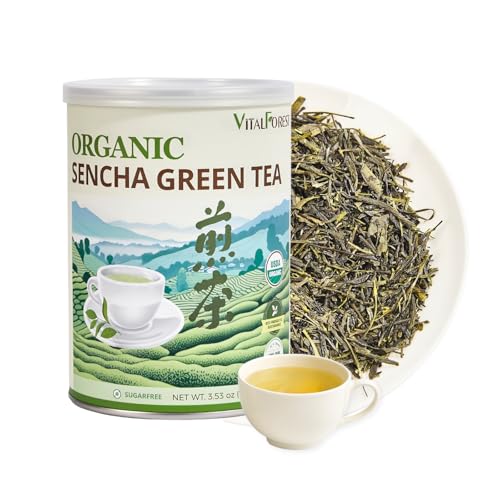
Sencha Green Tea: The Umami Taste
Sencha Green Tea is more than Japan’s most popular beverage — it’s an experience that captures the delicate balance between freshness, sweetness, and the elusive fifth taste: umami. This savory depth sets Sencha apart from other teas, offering a unique harmony that lingers with every sip.
The concept of umami was first identified in Japan over a century ago, described as a rich, brothy taste that enhances satisfaction and flavor complexity. In Sencha, this comes from naturally occurring amino acids like L-theanine and glutamic acid, which give the tea its signature smoothness and satisfying roundness.
What makes Sencha remarkable is how its flavor bridges two worlds — the vegetal brightness of green tea and the comforting, mouth-coating savoriness of umami. Studies show that L-theanine, a key amino acid found in green tea, not only contributes to umami but also promotes calm alertness and mental focus by supporting alpha brain wave activity (1).
For tea enthusiasts, understanding umami is the key to appreciating Sencha’s depth. Each cup offers not just refreshment, but a sensory balance between sweet, bitter, and savory — a hallmark of traditional Japanese tea culture and mindful brewing.
What Is Umami and Why It Matters
Umami, often called the “fifth taste,” is a savory sensation that goes beyond sweet, sour, salty, and bitter. It’s the deep, mouth-filling flavor that gives foods like mushrooms, soy sauce, and seaweed their distinctive appeal. The word umami translates to “pleasant savory taste” in Japanese, and it plays a powerful role in how we perceive satisfaction from food and drink.
When you sip Sencha, that subtle richness coating your tongue comes from amino acids, primarily L-theanine and glutamate. These compounds activate taste receptors that respond to savory notes, creating a lingering flavor often described as round, smooth, or brothy. Umami doesn’t overpower; it enhances — bringing harmony to other flavors while leaving a sense of calm pleasure.
Umami also has physiological effects beyond taste. It stimulates saliva production, which aids digestion and enhances the tea’s aroma and texture. This is one reason Japanese tea ceremonies emphasize slow, mindful sipping — to fully experience the tactile, aromatic, and emotional impact of umami.
In essence, umami is the signature of depth and completeness in Sencha. It turns a simple cup of green tea into a meditative experience that awakens the senses and centers the mind, reminding drinkers that true enjoyment lies in subtlety and balance.
Why Sencha Has a Natural Umami Profile
Sencha’s signature umami flavor is the result of a careful balance between nature, cultivation, and craftsmanship. The unique processing method used for Japanese green teas — particularly the steaming step — helps preserve the amino acids responsible for umami while maintaining the tea’s bright green color and fresh aroma.
After harvest, Sencha leaves are steamed for about 15–45 seconds to halt oxidation. This brief exposure locks in the tea’s natural glutamic acid and L-theanine, both key compounds behind its savory, smooth taste. Unlike Chinese pan-fired green teas, which develop a toasty profile, steamed Sencha retains its marine, vegetal depth. The result is a tea that feels soft on the palate yet brimming with complexity.
Another reason Sencha is rich in umami lies in how it’s grown. Some Sencha varieties, like Kabusecha (shaded Sencha), are covered with cloth for about a week before harvest. This reduces sunlight exposure, encouraging the tea plants to produce more amino acids while lowering catechins (responsible for bitterness). The result is a more mellow, umami-forward cup with a creamy mouthfeel and gentle sweetness.
Even within Sencha categories, variations in altitude, soil, and harvest season influence umami intensity. Early spring harvests (Ichibancha) typically offer the richest umami, as young leaves contain higher concentrations of amino acids.
In short, Sencha’s umami isn’t accidental — it’s the product of centuries of Japanese cultivation techniques designed to preserve harmony in flavor, aroma, and texture. Every cup reflects the precision of this heritage.
Flavor Breakdown – Layers of Sencha Taste
Sencha’s flavor unfolds like a symphony in three movements: freshness, sweetness, and umami — each balancing and enhancing the other. The experience begins with a grassy brightness, deepens into a soft sweetness, and lingers with a savory warmth that feels both soothing and satisfying.
The first layer is the vegetal freshness. When brewed properly, Sencha greets you with a clean, green aroma reminiscent of steamed spinach or nori seaweed. This comes from chlorophyll and catechins preserved through steaming. It’s this initial note that gives Sencha its vitality — crisp, alive, and refreshing.
The second layer introduces natural sweetness. The amino acid L-theanine softens Sencha’s sharper tones, producing a mellow, rounded body. This sweetness is subtle, more akin to the mild sweetness of fresh peas or young corn rather than sugar.
Finally, the third layer — the hallmark umami depth — appears. This is where the tea feels full-bodied, coating the tongue with a savory finish that lingers for several seconds after each sip. This lasting impression, known as “aftertaste resonance” (nokoriga) in Japanese tea culture, is considered the mark of a premium Sencha.
Together, these layers create a balanced and meditative taste experience. Unlike bold teas that demand attention, Sencha’s umami develops slowly, inviting patience and mindfulness. It’s a reminder that flavor can be both quiet and profound — a harmony of earth, air, and care.
How to Brew Sencha for Maximum Umami

Follow this method to highlight Sencha’s sweet, savory depth while keeping bitterness low.
Gear
Fine-mesh strainer or Kyusu teapot, kettle with temperature control, digital scale or teaspoon, soft or filtered water, prewarmed cups.
Leaf-to-water ratio
Use 2 g tea per 100 ml water. For a standard cup, that is 2–3 tsp (4–6 g) per 200–250 ml.
Water quality
Choose soft, low-mineral water. If your tap water is hard, use filtered or spring water. High minerals mute umami.
Step 1. Prewarm
Rinse the teapot and cups with hot water, then discard. Prewarming stabilizes temperature and helps aroma bloom.
Step 2. Dose the leaves
Add the measured Sencha to the prewarmed pot. Gently shake to level the leaf bed for even extraction.
Step 3. Heat water correctly
Aim for 70–75°C (158–167°F). Boil water, then let it cool for 3–5 minutes, or use a variable-temp kettle. Cooler water favors umami over bitterness.
Step 4. First infusion
Pour water in a slow circular motion to wet all leaves. Steep 60–90 seconds. Do not stir. This short, cool steep pulls L-theanine and glutamates for a silky, savory cup.
Step 5. Pour evenly
Decant immediately. If sharing, alternate small pours between cups (1–2–3, then 3–2–1) so each cup tastes the same. Empty the pot fully to avoid over-extraction.
Step 6. Second infusion
Refill with water at 75–80°C (167–176°F). Steep 20–30 seconds. This brings brighter sweetness and a touch more body.
Step 7. Third infusion
Water at 80°C (176°F). Steep 45–60 seconds. Expect lighter liquor with a gentle marine finish. Stop when flavor thins.
Optional finish
A few drops of cool water in the cup can soften edges and lift umami. Do not add lemon for hot Sencha, which can tilt the balance toward acidity.
Brewing notes and troubleshooting
- Too bitter or astringent Lower water temperature by 5°C, shorten the steep by 15–20 seconds, or reduce leaf slightly.
- Too thin or flat Increase leaf to 2.5 g per 100 ml, or extend the first steep to 90 seconds.
- Muted umami Use softer water, ensure full prewarm, and keep temps in the 70–75°C range for the first infusion.
- Leaf quality matters Shaded Sencha like Kabusecha often yields more umami at the same parameters.
Cold-brew Sencha for pure umami
- Add 8–10 g Sencha to 1 liter cold soft water.
- Refrigerate 4–6 hours, then strain gently.
- Serve over a single ice cube. Cold extraction emphasizes sweetness and umami with minimal bitterness.
Quick reference
- Ratio: 2 g per 100 ml
- Temps: 70–75°C first, 75–80°C second and third
- Times: 60–90 s, 20–30 s, 45–60 s
- Yields: 2–3 infusions with balanced umami, sweetness, and a clean finish.
Health Benefits Linked to Umami Compounds
The umami taste in Sencha isn’t just a flavor experience — it reflects the presence of amino acids and antioxidants that support overall wellness. The two primary umami-related compounds, L-theanine and glutamic acid, offer both mental and physical benefits that make Sencha a tea of calm vitality.
1. Stress Reduction and Mental Clarity
L-theanine, a naturally occurring amino acid in green tea, helps reduce stress while promoting alert relaxation. It encourages the production of alpha brain waves — the same pattern seen during meditation — creating a calm yet focused state. When combined with caffeine, L-theanine balances stimulation, preventing the jitteriness often linked to coffee. Research suggests that regular consumption improves mood stability, focus, and resilience to mental fatigue (2).
2. Cognitive Function Support
The synergy between caffeine and L-theanine enhances attention span and working memory. Unlike synthetic energy boosters, this combination delivers smooth concentration without a crash. The slow release of energy allows for sustained productivity, making Sencha a preferred drink among those seeking mindful alertness rather than overstimulation.
3. Digestive and Metabolic Aid
Glutamic acid, another key umami compound, stimulates mild gastric secretions that support digestion. Drinking Sencha after meals helps the stomach process nutrients more efficiently and may reduce post-meal bloating. It also enhances salivation, aiding food breakdown and taste perception. Over time, this gentle digestive stimulation contributes to better metabolism and gut balance.
Together, these umami-linked compounds make Sencha not just a soothing tea, but a functional beverage that nurtures both body and mind — blending taste, science, and centuries of tea tradition.
FAQs
Sencha’s umami flavor comes from its high levels of L-theanine and glutamic acid, which develop when the tea plant is shaded before harvest. This process boosts amino acid concentration, giving Sencha its signature sweet-salty depth and smooth texture.
Yes. Use 70–75°C (158–167°F) water and avoid over-steeping. Cooler water extracts L-theanine and other amino acids more effectively, while hotter water pulls out catechins, which add bitterness. Prewarming your teapot and using soft, low-mineral water can also improve flavor balance.
Absolutely — in moderation. Two to three cups a day provide antioxidants, L-theanine, and gentle caffeine stimulation. However, those sensitive to caffeine should enjoy it earlier in the day to prevent sleep disruption.
Yes. Cold-brewing actually accentuates sweetness and umami while reducing bitterness. It’s an excellent choice for a refreshing, low-caffeine version of the tea that still retains its L-theanine benefits.
Conclusion
Sencha green tea is a sensory and functional masterpiece — a drink that bridges flavor, focus, and well-being. Its umami taste isn’t just a culinary pleasure but a reflection of bioactive compounds that promote relaxation, cognitive balance, and digestive support. Brewing it correctly unlocks its full potential: a sweet-savory profile that soothes the senses and energizes the mind in harmony.
Whether enjoyed hot or cold, Sencha invites a mindful pause — a moment to slow down, savor, and reconnect with calm clarity in the midst of the day.