
21 Herbal Tea Benefits
Herbal tea isn’t just a beverage; it’s a centuries-old wellness ritual in a cup. From soothing digestion to calming the mind, herbal teas (or tisanes) have been used around the world for both healing and pleasure. Unlike green or black tea, which come from the Camellia sinensis plant, herbal teas are made from dried leaves, roots, flowers, and spices — each offering distinct health benefits.
One of the reasons herbal tea stands out is its naturally caffeine-free nature, making it perfect for morning, afternoon, or bedtime. It can invigorate you gently, relax your body, and support your health — all without caffeine crashes. Rich in antioxidants, essential oils, and plant-based compounds, herbal teas like chamomile, ginger, and hibiscus can reduce inflammation, improve immunity, and promote inner balance.
Research shows that regular herbal tea drinkers may experience better digestion, sounder sleep, and improved stress management. The warm, hydrating nature of tea also aids circulation and detoxification, helping the body restore balance and vitality (1).
Whether you’re looking to support your immune system, improve digestion, or find a peaceful daily ritual, herbal tea offers a natural, comforting way to care for both body and mind.
Herbal Tea Benefits
Herbal teas have long been celebrated as nature’s gentle medicine — restoring balance, easing discomfort, and supporting the body’s natural healing processes. Each blend carries a unique profile of antioxidants, essential oils, and plant-based compounds that work in harmony to promote wellness. Whether you’re looking to soothe digestion, calm stress, or support your immune system, herbal teas provide a comforting, effective, and natural solution.
Many of these benefits come from polyphenols, flavonoids, and adaptogenic compounds found in plants that have been studied for their anti-inflammatory, antimicrobial, and antioxidant effects (2). Below, we begin with teas that support the digestive system — one of the first areas to feel the impact of herbal remedies.
A. Digestive Health
1. Eases Indigestion
Peppermint, ginger, and fennel teas are three of the most trusted remedies for indigestion. Peppermint relaxes the muscles of the digestive tract, easing cramping and promoting smoother movement of food through the intestines. Its menthol content also helps calm bloating and gas.
Ginger, on the other hand, stimulates digestive enzymes, encouraging faster breakdown of food and reducing discomfort after meals. Fennel adds a subtle sweetness while combating trapped gas and abdominal tension, making this trio an excellent post-meal blend for a light, settled stomach.
2. Soothes Nausea
When it comes to nausea relief, ginger tea is one of the most researched natural options. It contains gingerols and shogaols, compounds known to calm the stomach lining and support motility, which helps ease feelings of queasiness. These properties make it a trusted remedy for morning sickness, motion sickness, or nausea from overeating.
Sipping warm ginger tea before or after travel can prevent motion-related discomfort, while those experiencing pregnancy-related nausea often find relief in small, frequent servings throughout the day. It’s a safe and natural alternative to medication when used in moderation.
3. Supports Gut Health
Chamomile and licorice root teas are powerful allies for maintaining digestive balance. Chamomile’s anti-inflammatory and antispasmodic properties make it effective for calming the gut, easing cramping, and reducing acid-related irritation. It also supports relaxation, which indirectly helps digestion by reducing stress-induced digestive issues.
Licorice root, meanwhile, has soothing mucilage compounds that coat and protect the stomach lining. This makes it helpful for gastritis, acid reflux, and gut inflammation. Together, these teas help maintain a healthy gut environment, essential for overall well-being and nutrient absorption.
B. Immune and Respiratory Support
4. Boosts Immunity
Echinacea, elderberry, and tulsi (holy basil) teas are among the most potent herbal allies for strengthening immune defense. Echinacea is widely recognized for stimulating white blood cell production, which enhances the body’s ability to fight off infections. Regular consumption, especially during seasonal changes, may help reduce the duration and severity of common colds.
Elderberry tea is rich in anthocyanins—antioxidant compounds that combat oxidative stress and strengthen the respiratory tract’s natural barriers. Tulsi, revered in Ayurvedic medicine, supports immunity by balancing stress hormones and acting as a natural adaptogen. Together, these teas form a powerful defense system that helps the body stay resilient during cold and flu season.
5. Relieves Cold and Cough
Thyme and ginger teas are exceptional natural remedies for easing respiratory discomfort. Thyme contains thymol, an antiseptic compound that helps loosen mucus, clear airways, and soothe the throat. Its antibacterial and antiviral effects make it useful during bouts of cough, congestion, or sinus irritation.
Ginger complements thyme by promoting warmth and circulation throughout the body, which helps relieve chills and nasal congestion. Its anti-inflammatory properties also reduce irritation in the throat and bronchial tubes. A cup of thyme and ginger tea with a touch of honey can calm persistent coughing and make breathing feel easier.
6. Eases Breathing
Peppermint and eucalyptus teas provide a refreshing way to open nasal passages and promote easier breathing. Peppermint’s menthol acts as a natural decongestant, helping clear sinus blockages and soothe sore throats. The cooling sensation it leaves also helps relieve inflammation in the airways.
Eucalyptus tea, often made from its dried leaves, works as an expectorant—loosening phlegm and calming irritated respiratory passages. It’s particularly beneficial for those recovering from respiratory infections or seasonal allergies. When enjoyed hot and inhaled gently, the aromatic steam from these teas can provide instant relief for stuffy noses and sinus pressure.
C. Detox and Cleansing
7. Aids Liver Function
Dandelion and milk thistle teas are among the most respected herbal tonics for liver health. Dandelion tea acts as a mild diuretic, stimulating bile production and helping the liver flush out accumulated toxins more efficiently. Its high concentration of antioxidants, including beta-carotene and polyphenols, helps protect liver cells from damage caused by free radicals.
Milk thistle tea, derived from the seeds of the Silybum marianum plant, contains silymarin—a well-documented compound known to support liver regeneration. Studies suggest it may help shield the liver from environmental toxins and support recovery after overindulgence or medication use. Together, these teas promote smoother liver function and a cleaner internal environment.
8. Flushes Toxins Naturally
Nettle and green rooibos teas are excellent natural detoxifiers that encourage hydration and support the body’s elimination processes. Nettle tea, rich in minerals like iron and potassium, promotes kidney filtration while balancing electrolytes. It gently removes metabolic waste without taxing the body, making it a preferred choice for gentle, daily detox routines.
Green rooibos, unlike its fermented red counterpart, contains higher levels of antioxidants such as aspalathin and nothofagin. These compounds help reduce oxidative stress, support liver enzymes, and maintain fluid balance. The combination of nettle and green rooibos is ideal for anyone seeking to cleanse their system while preserving essential nutrients.
9. Supports Kidney Health
Parsley and hibiscus teas naturally assist the kidneys by increasing urine output and helping remove excess sodium and water from the body. Parsley acts as a mild diuretic and contains chlorophyll, which supports urinary tract function and may help prevent the buildup of kidney stones. It’s refreshing, detoxifying, and gentle enough for regular use.
Hibiscus tea, with its vibrant crimson hue, is more than just visually striking. Its organic acids—citric, malic, and tartaric—help cleanse the kidneys and promote healthy blood pressure regulation. This dual benefit makes it a great daily beverage for maintaining kidney and cardiovascular wellness while adding a pleasantly tart flavor to your detox routine.
D. Relaxation and Sleep
10. Reduces Stress
Chamomile and lemon balm teas are two of the most beloved herbal infusions for easing stress and promoting calm. Chamomile is rich in apigenin, a natural compound that binds to brain receptors to induce relaxation without sedation. A warm cup in the evening helps reduce cortisol levels, soothe the nervous system, and quiet racing thoughts.
Lemon balm, a fragrant member of the mint family, works synergistically with chamomile by uplifting mood and easing mental fatigue. It contains rosmarinic acid, which increases the availability of calming neurotransmitters like GABA in the brain. Together, these teas create a gentle yet effective way to unwind after a long day and prepare the body for deeper rest.
11. Improves Sleep Quality
Valerian root and lavender teas are two natural sleep aids trusted for centuries. Valerian root works by increasing gamma-aminobutyric acid (GABA) levels in the brain, which helps reduce overactivity in the nervous system and shortens the time it takes to fall asleep. Its earthy aroma may be strong, but the effects are deeply restorative, particularly for those struggling with occasional insomnia.
Lavender tea, known for its floral fragrance, enhances these benefits by easing tension and improving sleep quality. Studies have shown that inhaling or consuming lavender reduces heart rate and blood pressure, helping the body transition smoothly into rest mode. Combining valerian and lavender before bedtime creates a calming nighttime ritual that promotes deep, uninterrupted sleep.
12. Relieves Anxiety
Passionflower and ashwagandha teas are powerful natural allies for emotional balance. Passionflower contains flavonoids that interact with the brain’s GABA system, promoting tranquility and easing anxious thoughts. It helps regulate mood swings, especially during stressful life transitions or hormonal fluctuations, without causing drowsiness.
Ashwagandha, an adaptogenic herb from Ayurvedic medicine, complements passionflower by balancing the body’s stress response over time. It lowers cortisol levels, improves resilience, and enhances overall emotional stability. Drinking these teas consistently can bring a calm focus to the mind while supporting long-term mental wellness — a gentle, natural path toward inner peace.
E. Skin and Beauty
13. Improves Skin Health
Rooibos and rosehip teas are rich in antioxidants that nourish the skin from within and promote a radiant, even complexion. Rooibos tea, native to South Africa, contains aspalathin and nothofagin—unique compounds that fight oxidative stress and reduce signs of irritation. Its anti-inflammatory nature helps soothe conditions like eczema and rosacea, leaving the skin looking calm and healthy.
Rosehip tea complements these effects with its abundance of vitamin C, lycopene, and beta-carotene—nutrients vital for collagen synthesis and skin repair. Vitamin C, in particular, boosts the production of collagen fibers that keep the skin supple and firm. Together, rooibos and rosehip teas support a youthful glow by combating environmental damage and promoting deep hydration (3).
14. Combats Acne and Inflammation
Spearmint and burdock root teas are well-regarded for their ability to address hormonal acne and internal inflammation. Spearmint tea works by lowering androgen levels, which helps regulate excess oil production—a common trigger for breakouts. Its natural antibacterial properties also target acne-causing bacteria, helping to clear and prevent blemishes.
Burdock root tea, traditionally used in herbal medicine for detoxification, helps purify the bloodstream and support the liver’s cleansing functions. This process indirectly benefits the skin by reducing inflammation and removing impurities that might otherwise surface as acne or dullness. Regular consumption of these teas can lead to clearer, calmer, and healthier-looking skin.
15. Promotes Anti-Aging
White and hibiscus teas are two of the most effective herbal beverages for slowing visible signs of aging. White tea, made from young, minimally processed tea leaves, retains a high concentration of catechins—antioxidants that protect collagen and elastin from degradation. It shields the skin from premature wrinkles and fine lines while promoting firmness and elasticity.
Hibiscus tea, often referred to as “the Botox tea,” supports anti-aging from another angle. Its natural acids gently promote cell turnover, while anthocyanins help neutralize free radicals that damage skin cells. Over time, hibiscus tea can improve texture, tone, and overall radiance, giving your skin a rejuvenated appearance that reflects inner vitality.
F. Energy and Metabolism
16. Boosts Metabolism
Ginger and ginseng teas are two exceptional natural stimulants that enhance metabolism and increase vitality without the jittery effects of caffeine. Ginger tea works by generating mild thermogenesis—raising body temperature to promote fat oxidation and calorie burn. It also supports digestion, helping nutrients convert more efficiently into usable energy throughout the day.
Ginseng tea, revered in traditional Asian medicine, works at the cellular level by improving oxygen uptake and mitochondrial activity. This helps the body produce steady, sustained energy while reducing fatigue. Together, ginger and ginseng teas act as natural metabolic boosters that sharpen focus and maintain energy balance without overstimulation.
17. Balances Blood Sugar
Cinnamon and fenugreek teas have long been valued for their role in stabilizing blood glucose levels. Cinnamon tea contains active compounds such as cinnamaldehyde, which helps improve insulin sensitivity and slow carbohydrate absorption. This makes it especially beneficial for individuals managing energy fluctuations or sugar cravings.
Fenugreek tea, derived from the seeds of the Trigonella foenum-graecum plant, complements these effects by slowing sugar release into the bloodstream. Its soluble fiber content also promotes satiety, making it easier to maintain steady energy and avoid overeating. Regularly drinking these teas can contribute to balanced energy levels and improved metabolic health.
18. Improves Circulation
Hawthorn and hibiscus teas are heart-supportive herbal infusions that enhance blood flow and vascular strength. Hawthorn tea contains flavonoids that help dilate blood vessels, allowing better oxygen and nutrient delivery to tissues. It’s often used in herbal medicine to support heart rhythm and improve endurance during physical activity.
Hibiscus tea, known for its striking crimson hue, complements hawthorn by helping regulate blood pressure and reducing LDL cholesterol levels. Its polyphenols and anthocyanins strengthen capillaries and combat oxidative stress within the circulatory system. Drinking these teas consistently not only supports healthy circulation but also contributes to overall cardiovascular resilience.
G. Hormonal and Reproductive Health
19. Eases Menstrual Discomfort
Raspberry leaf and chamomile teas have been traditionally used to relieve menstrual cramps and support uterine health. Raspberry leaf tea is rich in fragarine, a plant compound that tones and relaxes uterine muscles, easing spasms and promoting smoother menstrual flow. It’s also high in minerals such as magnesium and iron, which help replenish nutrients often lost during menstruation.
Chamomile tea complements these effects with its soothing, anti-inflammatory properties. Its natural compounds help relax smooth muscles and reduce prostaglandin production—the hormones responsible for pain and cramping. Sipping these teas during the menstrual cycle can bring natural comfort, reducing discomfort and improving overall mood.
20. Supports Hormonal Balance
Maca and licorice root teas are powerful herbal allies for maintaining hormonal equilibrium. Maca root, an adaptogen native to the Andes, helps regulate the endocrine system, supporting balanced levels of estrogen, progesterone, and testosterone. Regular intake has been shown to improve energy, libido, and overall emotional stability.
Licorice root tea enhances these benefits by supporting adrenal function and helping the body cope with stress-related hormonal imbalances. Its glycyrrhizin content helps modulate cortisol levels and reduce fatigue. When used together, maca and licorice root teas create a natural synergy that promotes hormonal stability and emotional well-being.
21. Promotes Fertility and Reproductive Health
Red clover and nettle teas nourish and strengthen the reproductive system, providing long-term support for fertility and hormonal vitality. Red clover tea is a natural source of phytoestrogens—plant-based compounds that mimic estrogen’s effects in the body—helping regulate cycles and prepare the body for conception. Its high vitamin and mineral content, including calcium, magnesium, and B vitamins, supports reproductive tissue health.
Nettle tea, often considered a fertility tonic, complements red clover by detoxifying the body and replenishing essential nutrients such as iron and folate. These minerals are vital for supporting hormonal balance and reproductive function in both women and men. Together, these teas form a gentle, restorative combination that promotes fertility, balances hormones, and nourishes overall reproductive wellness.
How to Brew Herbal Tea Properly
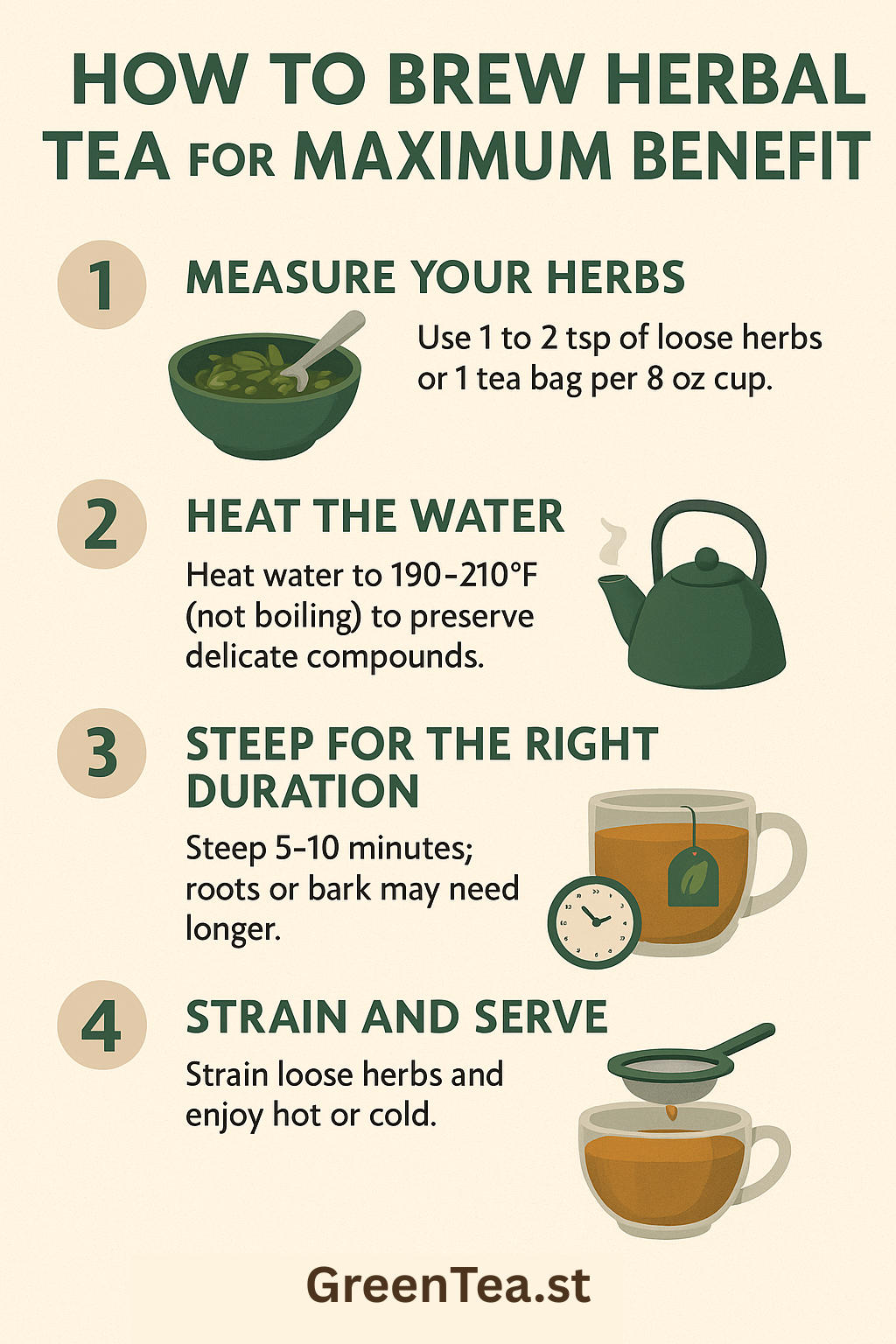
Brewing herbal tea is both an art and a science. The way you prepare it can dramatically influence its taste, aroma, and health benefits. Unlike traditional teas made from Camellia sinensis (like green or black tea), herbal teas vary widely in strength and flavor depending on the ingredients. Understanding the right steeping techniques ensures you extract the most beneficial compounds without bitterness or nutrient loss.
Step-by-Step Brewing Guide (Loose Herbs or Tea Bags)
1. Measure Your Herbs or Tea Bag
For loose herbs, use 1 to 2 teaspoons per 8-ounce cup. If using a tea bag, one bag per cup is usually sufficient. For stronger brews or medicinal purposes, slightly increase the ratio, but avoid overloading as it can alter taste and potency.
2. Heat the Water
Most herbal teas perform best with hot but not boiling water, ideally between 190–210°F (88–99°C). Boiling water can destroy delicate compounds in flowers like chamomile or lavender, while roots like ginger or turmeric may require a full boil to release their beneficial oils.
3. Steep for the Right Duration
Allow the tea to steep for 5–10 minutes, depending on the herbs. Roots and bark-based teas (like licorice or ginger) benefit from longer steeping or even gentle simmering for 10–15 minutes. Leafy herbs and flowers (like mint or hibiscus) are best steeped shorter, around 5–7 minutes, to preserve their aroma and taste.
4. Strain and Serve
If using loose herbs, strain the liquid into a cup using a fine mesh or tea infuser. Herbal teas can be enjoyed hot or allowed to cool for a more refreshing experience. For a richer flavor, cover the cup while steeping to trap the essential oils and aroma.
Cold Brewing Method
Cold brewing herbal tea creates a smoother, lighter infusion that’s naturally less bitter and ideal for hot weather. To prepare, add 2 tablespoons of herbs per quart (1 liter) of filtered water. Cover and refrigerate for 6–12 hours before straining. This slow steeping method gently extracts antioxidants and aromatic compounds without heat damage, preserving the tea’s natural flavor and nutrients.
Blending Multiple Herbs Safely
Combining herbs allows you to create personalized blends that target specific needs—such as relaxation, digestion, or detox. Always mix herbs with complementary effects, and avoid combining too many potent ingredients at once. A good starting rule is no more than 3–4 herbs per blend, with one dominant herb supported by secondary ones.
When experimenting, ensure the herbs do not interact with medications or existing health conditions. Consulting a qualified herbalist or healthcare professional can help you craft safe, effective blends that suit your wellness goals.
Safety and Precautions
Herbal teas are generally safe when consumed in moderation, but some can cause adverse reactions or interfere with medications. Overconsumption of potent herbs like licorice root, for example, can raise blood pressure or lower potassium levels. Similarly, teas containing caffeine, such as yerba mate or guayusa, may cause restlessness or heart palpitations if taken excessively. Allergic reactions are another concern, particularly for those sensitive to plants in the daisy or ragweed family, such as chamomile or echinacea.
Certain herbs can also interact with prescription drugs. For instance, St. John’s wort can reduce the effectiveness of antidepressants, birth control pills, and blood thinners. Ginkgo biloba may increase bleeding risk when combined with anticoagulant medications. Individuals on chronic medication or with existing health conditions should always consult a healthcare professional before introducing new herbal teas into their routine.
Pregnant or breastfeeding women should be particularly cautious. Some herbs, such as parsley, pennyroyal, and sage, have uterine-stimulating properties and should be avoided during pregnancy. Others like ginseng, hibiscus, and licorice may also pose risks due to hormonal or circulatory effects. Opting for gentler, pregnancy-safe options such as ginger, rooibos, or peppermint tea is often a better choice
FAQs About Herbal Tea Benefits
Yes, most herbal teas are safe for daily use when consumed in moderation. However, it’s important to vary your blends to avoid overexposure to any single compound. For example, alternating between chamomile, ginger, and rooibos can balance relaxation, digestion, and immune support throughout the week.
Morning is ideal for energizing teas like ginseng or peppermint, while evening suits calming teas such as chamomile or lavender. Digestive teas like fennel and ginger work best after meals, helping ease bloating and promote gut comfort.
Yes, combining herbs can create synergistic effects. For instance, pairing lemon balm with chamomile enhances relaxation. However, avoid mixing too many strong herbs together — three to four ingredients per blend is usually optimal.
Yes. Avoid teas with high caffeine or uterine-stimulating effects such as licorice, pennyroyal, and sage. Safer choices include ginger for nausea, rooibos for hydration, and peppermint for digestive ease.
Herbal teas work gradually, with noticeable improvements in mood, digestion, or sleep often appearing after consistent use for one to two weeks. Long-term benefits come with daily integration into a balanced lifestyle.
Conclusion
Herbal teas provide a natural and holistic way to support your body’s systems — from calming the mind to boosting digestion and immunity. Each plant carries its own unique blend of antioxidants, minerals, and healing compounds, making it easy to find one that fits your health goals.
Whether you sip chamomile before bed, ginger after meals, or hibiscus for heart health, consistency is key. Brew with intention, use fresh ingredients, and stay mindful of safety guidelines to maximize benefits. With the right habits, a warm cup of herbal tea can become one of the most nurturing rituals in your daily routine.


