9 Benefits of Korean Barley Tea (Bori-cha)
Have you ever wondered why Korean families serve a golden-brown tea instead of plain water at meals? Korean barley tea, known as bori-cha (보리차), is a beloved traditional beverage consumed throughout the day in Korean households, from breakfast to dinner. This naturally caffeine-free drink offers a refreshing alternative to water with a delightfully nutty flavor and impressive health benefits rooted in centuries of tradition.
What Is Korean Barley Tea (Bori-cha)?
Korean barley tea, or bori-cha (보리차), is a tisane made from roasted barley grains steeped in hot water. Despite its name, it’s not a true “tea” because it doesn’t come from the Camellia sinensis plant like black, green, or white tea. Instead, it’s a grain-based infusion similar to other herbal tisanes.
The name “bori-cha” comes from Korean, where “bori” means barley and “cha” means tea. This beverage is known by different names across East Asia: mugicha in Japan and damai cha in China. Each culture has embraced this refreshing drink with slight variations in preparation and serving styles.
In Korean culture, bori-cha holds special significance as more than just a beverage—it’s a daily staple. Korean families keep pitchers of barley tea in their refrigerators and serve it at every meal instead of plain water. Restaurants automatically bring barley tea to tables. Even babies transition from breast milk to diluted barley tea as their first drink, demonstrating how deeply embedded it is in Korean dietary culture.
The flavor profile of Korean barley tea is distinctively nutty, toasty, and woody with a naturally sweet undertone and occasionally slight bitter notes. The roasting process creates a warm, comforting taste that’s less astringent than traditional tea leaves, making it appealing even to those who don’t typically enjoy tea. Some Korean varieties include roasted corn (creating oksusu bori cha) for added sweetness.
How Korean Barley Tea Is Made
Making Korean barley tea is surprisingly simple, requiring only two ingredients: roasted barley and water. The key to its distinctive flavor lies in the roasting process, which caramelizes the natural sugars in barley and creates that signature toasty taste.
Traditional roasting process: Barley grains are dry-roasted in a pan or oven without oil until they turn golden brown and emit a nutty, aromatic fragrance. The roasting typically takes 7-10 minutes over low to medium heat with constant stirring to prevent burning. This process is crucial—it transforms bland barley into flavorful tea.
Brewing methods: Once roasted, the barley is boiled or steeped in hot water for 5-30 minutes depending on desired strength. Korean families often brew large batches, cool the tea completely, and store it in the refrigerator for convenient consumption throughout the day. The tea can be enjoyed hot during winter months or ice-cold in summer.
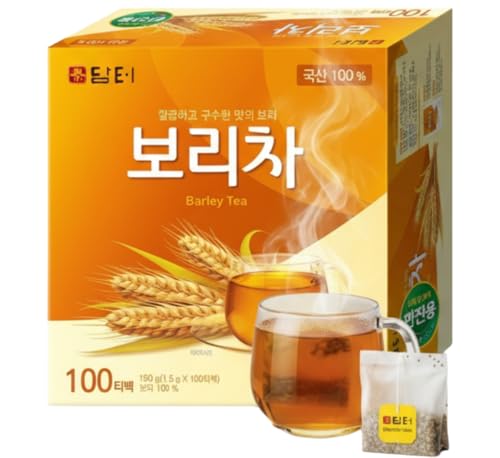
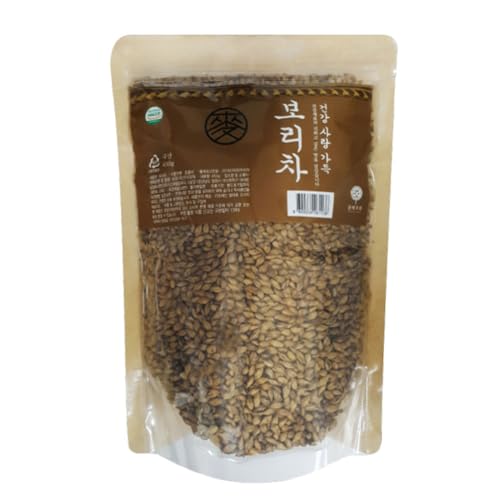
Ready-made options: For convenience, you can purchase pre-roasted barley grains or ready-to-use barley tea bags from Korean grocery stores like H-Mart or online retailers. These products eliminate the roasting step, making preparation even faster—simply steep the tea bag or loose barley in hot water.
Difference from barley water: Barley tea differs from barley water in that the grains are strained out after brewing, leaving only the flavored liquid. Barley water, popular in other cultures, often includes the cooked barley grains themselves, providing more fiber but a different texture and nutritional profile.
9 Korean Barley Tea (Bori-cha) Benefits
Korean barley tea offers numerous potential health benefits, though scientific evidence varies in quality across different claims. Below are 9 benefits with clear evidence levels for each.
1. May Improve Blood Flow and Circulation
Korean barley tea may significantly improve blood fluidity and circulation, with this benefit being one of the most scientifically supported claims about the beverage.
A study published in the Journal of Nutritional Science and Vitaminology by Japanese researchers at Kagome Co. found that drinking 250 mL of barley tea decreased blood passage time through microcapillaries, indicating improved blood fluidity. Participants who drank barley tea showed faster blood flow compared to those who consumed water or other beverages.
The researchers identified a compound called alkylpyrazine, specifically 2,3,5-trimethyl pyrazine, as the active ingredient responsible for this effect. This compound forms during the roasting process and helps blood move more easily through vessels by potentially reducing platelet aggregation. Better blood flow means improved oxygen and nutrient delivery throughout the body, which can reduce the risk of blood clots, heart attacks, and stroke.
Evidence level: Moderate evidence from controlled Japanese studies specifically on barley tea; direct research on the beverage rather than just the grain.
2. Rich in Antioxidants
Korean barley tea contains numerous powerful antioxidants that protect cells from oxidative damage caused by free radicals, which contribute to aging and chronic diseases.
Research published in Bioscience, Biotechnology and Biochemistry identified at least ten different antioxidant compounds in barley tea, including quercetin, ferulic acid, coumaric acid, caffeic acid, chlorogenic acid, and various polyphenols. Quercetin, one of the most potent antioxidants found in the tea, prevents oxidation that causes cell death and DNA damage.
Japanese researchers studying women’s antioxidant levels found that those who regularly consumed barley tea had measurably higher antioxidant levels in their blood compared to non-drinkers. The roasting process actually increases the antioxidant capacity of barley through the Maillard reaction (browning), creating additional beneficial compounds. These antioxidants combat oxidative stress linked to cardiovascular disease, cancer, premature aging, and inflammatory conditions.
Evidence level: Strong evidence for antioxidant content from multiple studies; well-documented presence of beneficial compounds.
3. May Support Digestive Health
Korean barley tea has been used traditionally to support digestion, relieve stomach discomfort, and promote regular bowel movements, though scientific evidence is more limited than for other benefits.
Traditional Chinese and Korean medicine has long prescribed barley tea for digestive complaints including stomach pain, bloating, diarrhea, and constipation. The tea contains compounds called saponins that may help protect the lining of the stomach and intestines while regulating inflammation. These saponins may ease symptoms of digestive disorders like irritable bowel syndrome (IBS), ulcers, and inflammatory bowel conditions.
Many Koreans report that drinking barley tea with meals aids digestion and prevents the uncomfortable feeling of fullness. Some believe it helps “cut through” heavy, oily foods. While the strained tea contains minimal fiber (unlike whole barley grains or unstrained barley water), it may still stimulate digestive processes through its bioactive compounds and hydration effects.
Evidence level: Limited scientific evidence; primarily based on traditional use, anecdotal reports, and saponin research rather than clinical trials on the tea itself.
4. Naturally Caffeine-Free
One of Korean barley tea’s most significant advantages is being completely caffeine-free, making it suitable for anyone avoiding caffeine for health, preference, or timing reasons.
Unlike true teas (black, green, white, oolong) that contain 15-70 mg of caffeine per cup, barley tea contains absolutely zero caffeine because it’s made from grain rather than tea leaves. This makes it ideal for evening consumption without disrupting sleep, safe for caffeine-sensitive individuals who experience jitters or anxiety from caffeinated beverages, appropriate for children of all ages, and generally considered safe during pregnancy and breastfeeding when caffeine should be limited.
The absence of caffeine means you can drink barley tea throughout the day and night without worrying about overstimulation, sleep interference, or dependency issues associated with caffeinated drinks. Korean families often give diluted barley tea to infants and toddlers as a healthy, flavorful alternative to plain water or sugary beverages.
Evidence level: Established fact; grain-based infusions contain no caffeine from the Camellia sinensis plant.
5. May Help with Weight Management
Korean barley tea may support weight management efforts through multiple mechanisms, though it should be viewed as a complementary tool rather than a primary weight loss solution.
Barley tea is virtually calorie-free when consumed plain—typically containing fewer than 5 calories per 8-ounce serving. This makes it an excellent replacement for high-calorie beverages like sodas, sweetened coffee drinks, or juice, which can significantly reduce daily calorie intake. The warm or cold liquid can also create a feeling of fullness, potentially reducing appetite and preventing unnecessary snacking between meals.
Some research suggests that compounds in barley may influence metabolism and fat oxidation. A 2017 clinical trial found that barley supplementation led to reductions in body weight, waist circumference, and BMI, though this study used whole barley grains with fiber rather than strained tea. The antioxidants in barley tea might support metabolic health, but effects are likely modest at best.
Evidence level: Limited evidence for tea specifically; strong evidence that replacing high-calorie drinks with zero-calorie alternatives supports weight management.
6. May Support Dental Health
Korean barley tea contains compounds that may protect teeth from decay, reduce plaque formation, and maintain oral health, though research is preliminary.
A 2007 study published in the Journal of Agricultural and Food Chemistry found that beverages made from roasted barley had anti-adhesive properties that prevented bacteria from sticking to tooth-like surfaces. Researchers used ceramic beads mimicking tooth enamel and found that barley tea significantly inhibited the adhesion of oral streptococci bacteria responsible for tooth decay and plaque formation.
Another small study examined bacterial loads in dental plaque and saliva in people drinking barley tea versus a control beverage. While plaque buildup itself didn’t change significantly, the number of harmful bacteria within the plaque was substantially lower in barley tea drinkers. The polyphenols and antioxidants in the tea may create an environment less favorable for bacterial growth.
Evidence level: Limited evidence from small laboratory and human studies; promising but requires more research to confirm clinical significance.
7. May Improve Skin Health
Korean barley tea may benefit skin through multiple pathways, including improved blood flow to skin tissue, antioxidant protection, and anti-inflammatory effects.
Research has demonstrated that barley tea consumption increases cutaneous (skin) blood flow and skin surface temperature. Better blood circulation to the skin means improved delivery of oxygen and nutrients, which supports healthy skin cell function, wound healing, and overall skin vitality. Enhanced blood flow gives skin a healthier, more radiant appearance.
The abundant antioxidants in barley tea—particularly quercetin and ferulic acid—may protect skin cells from UV radiation damage and oxidative stress that accelerates aging. These compounds can help fight skin infections, reduce inflammation associated with acne and other inflammatory skin conditions, and potentially brighten skin tone over time. The anti-inflammatory properties may be particularly beneficial for people with inflammatory skin issues.
Evidence level: Limited evidence; based on blood flow studies and antioxidant research rather than specific dermatological trials on barley tea.
8. May Support Heart Health
Regular consumption of Korean barley tea may contribute to cardiovascular wellness through multiple mechanisms, including effects on blood pressure, cholesterol, and blood vessel function.
Barley contains a flavonoid called rutin that may positively affect the cardiovascular system by improving blood flow and protecting blood vessels from damage. Research on whole barley consumption shows potential for reducing LDL (“bad”) cholesterol and total cholesterol levels through beta-glucans and tocols (antioxidant compounds). While these studies examined whole barley grains rather than strained tea, some beneficial compounds transfer to the brewed beverage.
The improved blood fluidity demonstrated in Japanese studies has direct cardiovascular implications—blood that flows more easily reduces strain on the heart and decreases the risk of dangerous blood clots. Better circulation also means lower blood pressure in some individuals. The antioxidants in barley tea combat oxidative stress and inflammation in arterial walls, both major contributors to heart disease development.
Evidence level: Moderate evidence combining blood flow studies on tea with cardiovascular research on whole barley; extrapolation required from grain studies to tea.
9. May Boost Immune Function
Korean barley tea contains vitamins, minerals, and antioxidants that may support immune system function, helping your body defend against infections and illness.
Barley tea provides vitamin C, which plays a crucial role in immune function by stimulating white blood cell production and enhancing the activity of immune cells that fight infections. While the vitamin C content is modest compared to citrus fruits, regular consumption contributes to overall vitamin C intake. The tea is also rich in zinc, an essential mineral for immune health that’s often deficient in people with gastrointestinal disorders.
The powerful antioxidants in barley tea—including selenium, quercetin, and various polyphenols—help eliminate free radicals that can damage immune cells and impair immune function. By reducing oxidative stress throughout the body, these antioxidants allow the immune system to work more efficiently. Some traditional practitioners believe barley tea helps shorten the duration of common colds and flu, though scientific evidence for this specific claim is limited.
Evidence level: Limited evidence; based on presence of immune-supporting nutrients rather than clinical trials showing improved immune outcomes from drinking barley tea.
Nutritional Content
Korean barley tea’s nutritional profile is modest but includes beneficial compounds that contribute to its health effects. Here’s what you’ll find in a typical serving:
| Nutrient/Compound | Amount per 8 oz serving | Health Significance |
|---|---|---|
| Calories | <5 calories | Virtually calorie-free |
| Caffeine | 0 mg | Safe for any time of day |
| Vitamin A | Trace amounts | Supports vision and immune function |
| Vitamin C | 5-10 mg (modest) | Antioxidant, immune support |
| Potassium | 20-40 mg | Fluid balance, blood pressure |
| Magnesium | 5-10 mg | Muscle/nerve function |
| Selenium | Trace amounts | Antioxidant, immune boost |
| Zinc | Trace amounts | Immune function, wound healing |
| Fiber | Minimal when strained | Digestive health (higher in unstrained) |
| Antioxidants | Multiple compounds | Cell protection, anti-aging |
Important notes: The nutritional content varies based on brewing strength, steeping time, and whether the tea is strained. Longer steeping times extract more antioxidants and minerals. Most vitamins and minerals are present in modest amounts—barley tea shouldn’t be relied upon as a primary source of these nutrients but rather as a complementary part of a balanced diet.
Antioxidant compounds: The tea contains quercetin, ferulic acid, coumaric acid, caffeic acid, chlorogenic acid, polyphenols, and alkylpyrazines. These compounds provide the primary health benefits rather than traditional vitamins and minerals.
Comparison to other beverages:
| Beverage | Calories (8 oz) | Caffeine (8 oz) | Antioxidants | Sugar |
|---|---|---|---|---|
| Barley Tea | <5 | 0 mg | High | 0g |
| Green Tea | 2 | 25-30 mg | Very High | 0g |
| Black Tea | 2 | 40-70 mg | High | 0g |
| Soda | 100-150 | 0-45 mg | None | 25-40g |
| Orange Juice | 110 | 0 mg | Moderate | 21g |
| Water | 0 | 0 mg | None | 0g |
How to Make Korean Barley Tea (Bori-cha)
Making authentic Korean barley tea at home is simple and economical. Here are two methods depending on whether you’re starting with pre-roasted barley or raw grains.
Method 1: Using Pre-Roasted Barley or Tea Bags
Ingredients:
- 2-3 tablespoons roasted barley (or 1-2 tea bags)
- 8 cups (2 liters) water
- Optional: honey, lemon, or sweetener to taste
Step-by-step instructions:
- Bring 8 cups of water to a rapid boil in a large pot or kettle
- Remove from heat and add roasted barley or tea bags
- For tea bags: Steep for 10-15 minutes, squeezing bags with tongs before removing
- For loose barley: Return to heat, simmer on low for 15-20 minutes
- Strain out barley grains using a fine-mesh strainer (if using loose barley)
- Cool the tea completely before refrigerating
- Serve hot immediately or chill in refrigerator for cold consumption
- Store in a covered pitcher for up to 5 days
Brewing time: 15-20 minutes active time; 1-2 hours cooling time
Yield: 8 cups (2 liters) – approximately 8 servings
Method 2: Roasting Barley from Scratch
Ingredients:
- 1 cup pearl barley (raw, unhulled if possible)
- 8 cups (2 liters) water
Roasting instructions:
- Rinse pearl barley under cold water and drain thoroughly
- Heat a dry skillet or pan over low-medium heat (no oil needed)
- Add drained barley to the pan in a single layer
- Stir constantly for 7-10 minutes until grains turn golden brown
- Watch carefully—barley should be aromatic and toasted, not burned
- Remove from heat when you smell a nutty, toasted aroma
- Let roasted barley cool completely before using or storing
Brewing after roasting:
- Bring 8 cups of water to a boil
- Add 2-3 tablespoons of your roasted barley
- Reduce heat and simmer for 15-20 minutes
- Strain and cool as described in Method 1
Storage tip: Roast a large batch of barley and store in an airtight container in a cool, dark place for up to 3 months. This makes future preparations much faster.
Serving Suggestions
| Serving Style | Description | Best For |
|---|---|---|
| Traditional Cold | Refrigerated, served ice-cold | Summer refreshment, with meals |
| Hot/Warm | Freshly brewed and hot | Winter comfort, morning beverage |
| With Honey | Add 1 tsp honey per cup | Natural sweetness, sore throat |
| With Lemon | Squeeze of fresh lemon | Vitamin C boost, bright flavor |
| With Corn | Add roasted corn to barley | Sweeter flavor (oksusu bori cha) |
| Concentrated | Use more barley, less water | Stronger flavor, more antioxidants |
How Long Does It Take to Work?
The effects of Korean barley tea manifest on different timelines depending on what benefit you’re seeking and your individual body chemistry.
Immediate effects (within minutes to hours): Hydration benefits are immediate upon drinking. The refreshing taste and liquid content satisfy thirst and contribute to daily fluid intake. Some people report feeling more comfortable digestively within 30-60 minutes when drinking barley tea with meals, though this may be partly due to the warm liquid and hydration rather than specific compounds.
Short-term effects (days to weeks): The improved blood flow effects observed in research studies occurred within 1 hour of drinking 250 mL of barley tea and lasted for several hours. Regular daily consumption for several days to weeks may lead to more sustained circulation benefits, better skin appearance from improved cutaneous blood flow, and consistent antioxidant protection throughout the day.
Long-term effects (months of continuous intake): The Japanese research specifically noted that “continuous intake” of barley tea provides the most significant health benefits. Most potential cardiovascular effects, dental health improvements, immune support, and anti-aging benefits from antioxidants would only be expected with regular daily consumption over weeks to months. Think of barley tea as a healthy habit that contributes to overall wellness rather than a quick fix.
Recommended daily intake: Korean families typically drink 2-4 cups (16-32 ounces) of barley tea daily, often replacing plain water entirely. Since it’s caffeine-free with no known side effects for most people, you can safely consume it throughout the day. Start with 1-2 cups daily and increase based on your preference and tolerance.
Barley Tea vs. Other Teas
Understanding how Korean barley tea compares to other popular tea varieties helps you make informed choices for your health and taste preferences.
| Feature | Korean Barley Tea | Green Tea | Black Tea | Herbal Tisanes |
|---|---|---|---|---|
| Caffeine | 0 mg | 25-30 mg | 40-70 mg | Usually 0 mg (except yerba mate) |
| Flavor | Nutty, toasty, sweet | Grassy, vegetal, fresh | Bold, malty, robust | Varies widely |
| Antioxidants | High (polyphenols, quercetin) | Very High (EGCG, catechins) | High (theaflavins) | Varies by plant |
| Best Served | Hot or cold | Hot, cooler water | Hot or iced | Usually hot |
| Origin | Roasted grain | Tea leaves | Tea leaves | Various plants |
| Calories | <5 per cup | 2 per cup | 2 per cup | 0-5 per cup |
| Cultural Use | Daily water replacement (Korea) | Health beverage (Asia) | Morning beverage (West) | Medicinal/relaxation |
| Unique Benefits | Blood flow, gluten-free status issue | Metabolism, EGCG | Heart health, alertness | Plant-specific |
When to choose barley tea over others:
- For evening drinking: Zero caffeine makes it ideal anytime, especially before bed
- For children: Safe and appealing to kids who may not like traditional tea flavors
- For caffeine sensitivity: No jitters, anxiety, or sleep disruption
- For unique flavor: Distinct nutty taste unlike any true tea variety
- For cultural experience: Authentic Korean beverage with deep traditional roots
When to choose other teas instead:
- Need energy/alertness: Green or black tea provides caffeine boost
- Maximum antioxidants: Matcha or white tea offers highest concentrations
- Specific health goals: Green tea for metabolism, chamomile for sleep, peppermint for digestion
- Avoid gluten: Choose other caffeine-free tisanes if gluten-sensitive
Risks & Side Effects
Korean barley tea is generally recognized as safe for most people with minimal reported side effects. However, there are important considerations for specific populations.
Gluten content warning: The most significant concern with barley tea is that barley contains gluten. People with celiac disease, non-celiac gluten sensitivity, or wheat allergies must avoid barley tea completely. Even though the barley grains are strained out, gluten proteins can dissolve into the water during brewing, making the tea unsafe for gluten-free diets.
Generally recognized as safe: For people without gluten issues, barley tea has been consumed safely for centuries in Korean, Japanese, and Chinese cultures with no significant adverse effects reported. It’s given even to infants and young children in Korea, demonstrating its safety profile across all age groups.
Pregnancy and breastfeeding: Barley tea is generally considered safe during pregnancy and breastfeeding since it contains no caffeine or known harmful compounds. However, pregnant women should always consult their healthcare provider before adding any new beverage to their regular diet, especially if consuming large quantities. The gluten content may be a consideration if you’ve developed gluten sensitivity during pregnancy.
No known significant side effects: Unlike caffeinated beverages that can cause jitters, sleep disruption, or dependency, barley tea produces no stimulant effects. Unlike some herbal teas that may interact with medications or cause digestive upset, barley tea is remarkably gentle with virtually no reported adverse reactions in healthy individuals.
Moderation recommendations: While safe, extremely excessive consumption of any beverage (including barley tea) isn’t advisable. Stick to 2-6 cups daily as Korean tradition suggests. Drinking enormous quantities might theoretically cause digestive discomfort simply from volume, though this would be unusual.
Potential concerns: Some sources mention theoretical concerns about pesticide residues or heavy metal contamination if barley is grown in contaminated soil, but these are not specific to barley tea and apply to all agricultural products. Purchase from reputable sources and consider organic varieties if concerned.
Who Should Avoid Barley Tea?
While Korean barley tea is safe for most people, certain individuals should avoid it or consult a healthcare provider before consuming:
People with celiac disease: This autoimmune condition requires complete avoidance of gluten. Even small amounts of gluten in barley tea can trigger immune reactions, intestinal damage, and serious symptoms. There are no safe exceptions—people with diagnosed celiac disease must not drink barley tea.
Non-celiac gluten sensitivity: Individuals who experience negative symptoms from gluten (bloating, headaches, fatigue, digestive issues) but don’t have celiac disease should also avoid barley tea, as it can trigger uncomfortable reactions even without causing intestinal damage.
Wheat allergies: People with wheat allergies may also react to barley since both are cereal grains with similar protein structures. Allergic reactions can range from mild (rash, itching) to severe (anaphylaxis in rare cases). Consult an allergist before trying barley tea.
When to consult a healthcare provider: If you have any grain-related sensitivities, diagnosed digestive disorders, or take medications that might interact with nutrients in barley, discuss barley tea consumption with your doctor. While interactions are unlikely, professional guidance ensures safety.
Special populations: Infants under 6 months shouldn’t consume anything besides breast milk or formula. Older babies and children can typically enjoy diluted barley tea safely if they don’t have gluten issues.
Where to Buy Korean Barley Tea
Korean barley tea is increasingly available in Western markets thanks to growing interest in Korean cuisine and beverages.
Korean/Asian grocery stores: The best selection is found at Korean supermarkets like H-Mart, 99 Ranch Market, or local Korean groceries. Look for products labeled “bori-cha” (보리차) or “roasted barley tea.” You’ll find both tea bags and loose roasted barley grains in various package sizes. Asian grocery stores also carry Japanese mugicha if you want to compare styles.
Online retailers: Amazon, eBay, and specialty Korean food websites sell numerous barley tea brands. Online shopping offers convenience and often better prices when buying in bulk. Popular brands include Dongsuh, Ottogi, and Damtuh. Read reviews to find high-quality products.
Health food stores: Some Whole Foods, Natural Grocers, and health-focused markets now carry barley tea in their international or tea sections. Selection may be limited compared to Korean markets but quality is typically good.
What to look for when purchasing:
- Pre-roasted vs. raw: Pre-roasted saves time; raw barley requires roasting but may be fresher
- Tea bags vs. loose: Tea bags offer convenience; loose barley is often more economical
- Organic certification: Choose organic if concerned about pesticides
- Ingredient list: Should contain only barley (some Korean versions include roasted corn)
- Packaging date: Fresher is better; roasted barley can go stale over time
- Country of origin: Korean, Japanese, or Chinese products are most authentic
Price range: Expect to pay $5-15 for a large bag of roasted barley (1-2 lbs) that makes dozens of pitchers. Tea bags cost $8-20 for 30-50 bags. This makes barley tea extremely economical compared to other specialty teas.
Takeaways
Korean barley tea (bori-cha) is a traditional caffeine-free beverage made from roasted barley grains, deeply embedded in Korean culture as a daily water replacement. It offers numerous potential health benefits including improved blood flow and circulation (supported by Japanese research), high antioxidant content with compounds like quercetin and ferulic acid, support for digestive and cardiovascular health, and skin benefits from enhanced blood flow. The tea is naturally sweet and nutty with a toasty flavor, making it appealing for all ages.
While generally safe for most people, barley tea contains gluten and must be strictly avoided by those with celiac disease, gluten sensitivity, or wheat allergies. For others, it’s a healthy, calorie-free alternative to sugary drinks and can be consumed throughout the day without caffeine-related side effects. Evidence quality varies—strong for antioxidant content and blood flow, moderate for cardiovascular effects, and limited for other traditional claims. Purchase pre-roasted barley or tea bags from Korean markets or online retailers for easy home preparation.
Korean Barley Tea (Bori-cha) FAQs
Yes, Korean barley tea offers several health benefits for most people. It’s rich in antioxidants like quercetin and ferulic acid that protect against cell damage and aging. Japanese research shows it improves blood flow and circulation, which supports cardiovascular health. It’s naturally caffeine-free, making it safe for any time of day without disrupting sleep. The tea provides hydration with virtually zero calories, making it an excellent replacement for sugary beverages. However, the most critical consideration is that barley tea contains gluten—if you have celiac disease or gluten sensitivity, it’s not safe for you despite its other health benefits.
Yes, you can safely drink Korean barley tea every day, and many Koreans do exactly that—consuming 2-4 cups daily as their primary beverage instead of water. Since it contains no caffeine, stimulants, or known harmful compounds, there are no concerns about dependency, tolerance, or adverse effects from regular consumption. Daily intake may provide cumulative benefits, as Japanese research noted that “continuous intake” produces the best results for blood flow and antioxidant protection. Korean families even give it to children and elderly family members daily. However, if you have gluten issues, you must avoid it entirely regardless of potential benefits.
Yes, Korean barley tea contains gluten because barley is a gluten-containing grain related to wheat. Even though the barley grains are strained out after brewing, gluten proteins dissolve into the water during the steeping process, making the final beverage unsafe for people with celiac disease or gluten sensitivity. This is the most important safety consideration for barley tea. If you follow a gluten-free diet for medical or personal reasons, you must avoid barley tea and choose gluten-free alternatives like rooibos, chamomile, peppermint, or other herbal tisanes that don’t contain wheat, barley, or rye.