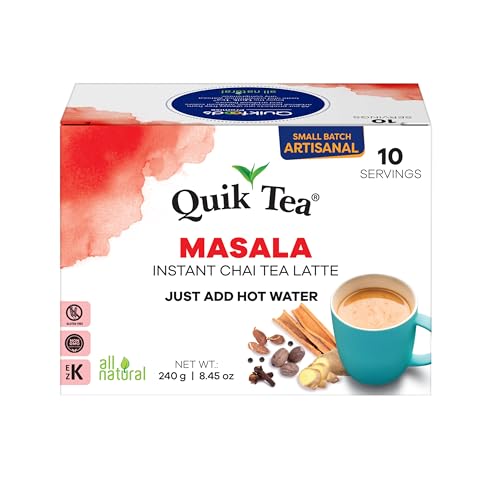
9 Masala Chai Tea Health Benefits
Masala chai is one of the most comforting drinks in the world, but it’s also a traditional wellness ritual. In many Indian homes, chai is not just “tea.” It’s warmth, aroma, digestion support, and a daily pause, all brewed into one cup.
What makes masala chai special is the combination of black tea with spices like ginger, cardamom, cinnamon, cloves, and black pepper. Each ingredient brings its own plant compounds, and together they create a drink that feels energizing, soothing, and deeply satisfying.
In this article, you’ll learn what masala chai is, what’s inside it, and why the way you brew it matters just as much as the spices you choose (1).
What Is Masala Chai Tea?
Masala chai is a spiced tea traditionally made by simmering water with warming spices, adding black tea, then finishing with milk and a small amount of sweetener. The word “masala” means spice blend, and “chai” means tea, so it literally translates to “spiced tea.”
A classic masala chai usually includes ginger, cardamom, cinnamon, cloves, and black pepper, though recipes vary by region and family preference. Some versions also include fennel, star anise, nutmeg, or tulsi (holy basil).
It’s also worth separating masala chai from a typical “chai latte” sold in cafés. Many chai lattes are made from concentrated syrups that can be heavy in sugar and low in real spice content. Traditional masala chai is brewed from whole spices or fresh spice blends, which is where much of its value comes from.
Phytochemical Profile
Masala chai’s benefits come from its active plant compounds. Black tea provides caffeine and polyphenols, while spices contribute essential oils and antioxidant molecules that support digestion, circulation, and immune balance.
Here’s a practical breakdown of the key ingredients and why they matter:
| Ingredient | Key Compounds | Why It Matters |
|---|---|---|
| Black tea | theaflavins, caffeine | antioxidant support, alertness |
| Ginger | gingerols | digestive comfort, anti-inflammatory support |
| Cinnamon | cinnamaldehyde | metabolic support and warming effect |
| Cardamom | terpenes | aromatic calm, digestive ease |
| Clove | eugenol | antioxidant support, oral comfort |
| Black pepper | piperine | supports absorption of plant compounds |
The exact strength depends on your recipe. Simmering spices longer pulls more of their active compounds into the tea, while shorter steeping produces a lighter, more aromatic cup.
How Recipe Choices Change the Nutrition
Masala chai can be a nourishing drink, but the health impact depends on what you add.
If you use whole spices, control the sweetener, and choose your milk thoughtfully, chai can be a balanced daily beverage. If it’s made with heavy syrup, lots of sugar, and large portions, it can become more dessert than wellness drink.
A simple way to keep chai supportive is to focus on real spices, moderate tea strength, and minimal added sugar. That approach preserves the tea’s natural polyphenols while letting the spice chemistry do its job.
Health Benefits of Masala Chai Tea
Masala chai blends black tea with warming spices, so its benefits come from both tea polyphenols and spice compounds. How you brew it, and how much sugar you add, makes a big difference.
1. Antioxidant Support from Black Tea and Spices
Black tea contains theaflavins and other polyphenols that help protect cells from oxidative stress. When you add spices like clove, cinnamon, and cardamom, you layer in additional antioxidant compounds that support overall cellular health.
This matters because oxidative stress is linked to inflammation, aging, and metabolic strain. A chai made with real spices and a modest amount of sweetener keeps these protective compounds front and center.
2. Supports Digestion and Reduces Bloating
Masala chai is traditionally served after meals for a reason. Ginger and cardamom help relax the digestive tract and support smoother movement of food through the stomach and intestines.
Warm liquid also encourages hydration and can ease that heavy, bloated feeling after rich meals. Many people find that chai made with fresh ginger is especially helpful when digestion feels sluggish.
3. May Help with Nausea and Stomach Comfort
Ginger is one of the best-known natural remedies for nausea. In chai, it works alongside warming spices like cinnamon and clove, which can make the stomach feel more settled.
A gentle cup, lightly brewed and not overly sweet, can be useful when you feel mildly nauseated from travel, stress, or overeating. It is best sipped slowly and warm, rather than very hot.
4. May Support Metabolic Balance and Blood Sugar Habits
Cinnamon is often studied for its potential role in glucose metabolism. In masala chai, cinnamon’s influence is most helpful when the drink is not loaded with sugar.
If you want chai to support metabolic balance, keep sweeteners minimal and consider using a milk option that does not add extra sugar. Research on spice and tea polyphenols suggests potential benefits for metabolic markers, but results depend heavily on overall diet and daily habits (2).
5. Supports Circulation and Warming Comfort
Masala chai is naturally warming, which is why many people crave it on cold mornings or when they feel run down. Spices like ginger, black pepper, and cinnamon are traditionally used to support circulation, helping the body feel more energized and less sluggish.
This warming effect can feel especially comforting after long hours of sitting or during seasonal chills. A properly simmered spice base brings out these warming compounds more clearly than quick steeping.
6. May Support Immune Resilience in Seasonal Months
Chai spices are commonly used in traditional routines during cold and flu season. Ginger and clove contain compounds studied for antimicrobial and anti-inflammatory properties, which may help the body stay more resilient when stress and weather changes increase immune strain.
This does not mean chai prevents illness, but it can support habits that matter: hydration, warmth, and consistent intake of plant antioxidants. Keeping sugar low is important since high sugar intake can work against immune balance.
7. May Support Oral Comfort and Fresher Breath
Clove and cardamom have long been used for oral comfort. Clove’s eugenol is associated with soothing effects in the mouth, while cardamom’s aromatic oils can help freshen breath naturally.
This is one reason masala chai often leaves a clean, fragrant aftertaste. If you sweeten heavily, you lose some of this advantage, since sugar feeds oral bacteria.
8. Mood and Stress Comfort Through Aroma and Ritual
Masala chai is as much a ritual as it is a drink. The scent of cardamom, cinnamon, and clove can feel grounding, and the act of simmering spices slows you down in a way that supports calm.
Warm beverages can also encourage slower breathing and a more relaxed pace, which helps regulate stress response. Chai’s comfort factor is often strongest when it’s brewed at home with whole spices.
9. May Support Heart-Friendly Routines When Made Low-Sugar
Chai can support heart-friendly habits when it replaces soda, sugary coffee drinks, or desserts. Black tea provides polyphenols, and spices contribute additional antioxidant compounds that may support vascular health.
The key is preparation. Using less sugar, choosing a milk that fits your needs, and keeping portions reasonable helps chai stay supportive rather than becoming a daily sugar load (3).
How to Make Masala Chai (Step-by-Step)
Ingredients (1–2 servings)
- Water: 1 cup (250 ml)
- Milk (dairy or plant milk): 1 cup (250 ml)
- Black tea: 1–2 teaspoons loose leaf or 2 tea bags
- Fresh ginger: 4–6 thin slices (or ½ tsp grated)
- Cinnamon: 1 small stick (or ¼ tsp ground)
- Cardamom: 3–4 pods, lightly crushed
- Cloves: 2–3 whole
- Black pepper: 2–3 peppercorns, lightly crushed
- Sweetener (optional): 1–2 teaspoons honey, jaggery, or maple syrup
Step-by-step
- Crush the spices
Lightly crush cardamom and peppercorns to release aroma. Keep cloves whole. - Simmer the spices first
Add water, ginger, cinnamon, cardamom, cloves, and pepper to a small pot.
Simmer gently for 5–10 minutes for a stronger, more traditional chai. - Add black tea
Turn heat to low and add black tea. Steep 2–4 minutes.
Shorter steep is smoother, longer steep is bolder. - Add milk and warm gently
Pour in milk and heat until steaming. Do not let it boil hard.
Keep it at a gentle simmer for 1–2 minutes. - Strain and sweeten
Strain into a mug. Sweeten lightly if desired.
Taste first, many blends feel naturally sweet from cinnamon and cardamom.
Easy adjustments
- Less caffeine: use less black tea or brew tea separately and blend in.
- Less heat: reduce ginger and black pepper.
- Iced version: brew strong, cool, then pour over ice and add cold milk.
Side Effects and Safety
- Caffeine sensitivity
Masala chai uses black tea, so it can affect sleep or anxiety in sensitive people. Keep it earlier in the day if caffeine disrupts you. - Added sugar and calories
Syrups, sweetened condensed milk, and large servings can turn chai into a high-sugar drink. If you want the benefits, keep sweetness modest. - Heartburn or reflux risk
Strong ginger, pepper, and cloves can trigger reflux for some people. Use lighter spice amounts if you’re prone to heartburn. - Medication interactions
Cinnamon, ginger, and clove may interact with blood thinners or diabetes medications at high intakes. If you take these medications, keep chai moderate and consistent. - Pregnancy
Moderate food-level spice use is usually fine, but avoid very concentrated spice decoctions or excessive daily intake without medical guidance.
FAQs
Yes. Traditional masala chai uses black tea, so it contains caffeine. The amount depends on how strong you brew it and how large your serving is.
Often, yes. Ginger and cardamom are commonly used for post-meal comfort and bloating. Keep sugar low for best results.
Most people can enjoy it daily in moderation. A practical range is 1–2 cups per day, especially if you’re watching caffeine or sugar.
Not always. Many café chai lattes are syrup-based and much sweeter. Traditional masala chai is brewed with real spices and tea.
Morning or early afternoon works best for most people. If caffeine affects your sleep, avoid late evening chai
Conclusion
Masala chai is more than a cozy drink. When brewed with real spices and kept lightly sweetened, it can support digestion, provide antioxidants, and offer a warming, grounding daily ritual.
The biggest “health lever” is how you make it. Whole spices, moderate tea strength, and minimal added sugar keep chai supportive rather than turning it into a dessert drink.