9 Health Benefits of Barley Tea
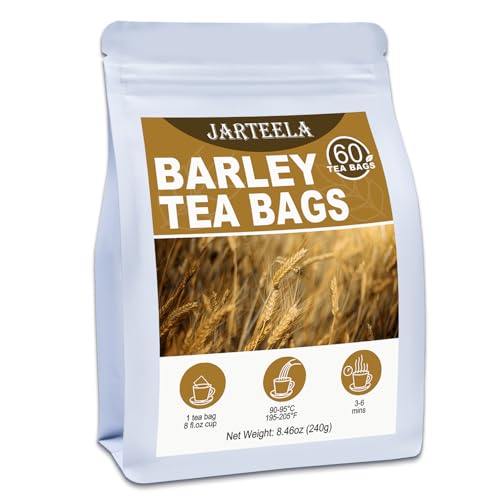
Barley tea, known as mugicha in Japan, bori-cha in Korea, and damai cha in China, is a traditional roasted grain tea enjoyed for centuries across East Asia. Unlike green or black tea, it is not made from tea leaves but from roasted barley kernels, which are steeped in hot water to create a nutty, roasted, and slightly bitter infusion. Because it contains no caffeine, barley tea is a favorite daily drink for children, the elderly, and anyone seeking a soothing alternative to coffee or tea.
Often served hot in winter and chilled during summer, barley tea is not only refreshing but also valued for its wellness benefits. It provides antioxidants, trace minerals, and compounds from the roasting process that support digestion, circulation, and overall vitality. In Japan and Korea, it is so common that households often keep pitchers of cold barley tea in the refrigerator as a healthier replacement for sugary drinks (1).
What is Barley Tea?
Barley tea is an herbal infusion made by roasting whole barley grains and steeping them in hot water. The roasting process gives the tea its characteristic toasty, nutty flavor with a mild bitterness and a coffee-like aroma, but without the stimulating effects of caffeine. Because of its rich taste and caffeine-free profile, it is often enjoyed throughout the day, including evenings, without disrupting sleep.
In East Asia, barley tea is more than just a beverage—it is part of everyday life. In Japan, mugicha is a staple summer drink served cold, while in Korea, bori-cha is consumed both hot and cold, often replacing plain water at meals. In China, damai cha has long been used as a digestive aid. Across these cultures, barley tea is valued not only for its refreshing qualities but also for its digestive support, antioxidant properties, and hydrating benefits (2).
Barley Tea Nutritional Facts
Although barley tea is made from grains, the brewing process extracts only a portion of the nutrients into the beverage. The result is a calorie-free, mineral-rich infusion that provides antioxidants and trace compounds formed during roasting. While the exact composition depends on preparation, the table below highlights the typical nutrients found in one brewed cup (240 ml):
| Nutrient / Compound | Approximate Amount | Health Role |
|---|---|---|
| Antioxidants (phenolic compounds, melanoidins) | Present | Protect cells from oxidative stress, anti-inflammatory |
| Polyphenols | Trace–moderate | Support circulation and digestion |
| Magnesium | 3–5 mg | Muscle and nerve function, energy production |
| Potassium | 25–30 mg | Fluid balance, heart and circulation support |
| Selenium | Trace | Antioxidant defense, immune support |
| Iron | Trace | Helps maintain red blood cell health |
| Vitamin E | Trace | Antioxidant, skin protection |
| Fiber (soluble compounds) | Trace | May support gut health, digestion |
| Caffeine | 0 mg | Naturally caffeine-free, safe for all ages |
Barley tea stands out because it combines the roasting-derived antioxidants (melanoidins) with natural minerals like magnesium and potassium. This makes it both hydrating and health-promoting while remaining gentle on the body and completely free of caffeine (3).
Here are 9 health benefits of barley tea and why it remains a staple in traditional diets.
1. Rich in Antioxidants
Barley tea is naturally high in antioxidants, including phenolic compounds and melanoidins formed during the roasting process. These compounds help neutralize free radicals, unstable molecules that damage cells and contribute to aging and chronic diseases. By reducing oxidative stress, barley tea supports healthier tissues, improved resilience, and long-term wellness.
Studies have shown that the melanoidins in roasted grains like barley exhibit anti-inflammatory and antioxidant activity, making barley tea a valuable daily drink for protecting cellular health. Regular consumption may help reduce risks associated with oxidative stress, such as cardiovascular disease, neurodegeneration, and skin aging (4).
2. Supports Heart Health
Barley tea may promote cardiovascular health by helping regulate cholesterol and supporting better circulation. The polyphenols in barley tea have been linked to reductions in LDL cholesterol while improving arterial flexibility, both of which lower the risk of heart disease. Its potassium content also supports blood pressure regulation, which is essential for heart health.
In addition, barley tea’s antioxidant compounds protect blood vessels from oxidative damage, which can lead to arterial stiffness and poor circulation. This makes it not just a refreshing beverage but also a gentle daily practice for supporting cardiovascular wellness (5).
3. Aids Digestion
Barley tea has a long history of use as a digestive aid in East Asia. Its mild bitterness from roasted compounds can stimulate the production of gastric juices, supporting smoother digestion and reducing bloating after meals. This is why in Japan and Korea, barley tea is often served alongside food instead of water.
Modern studies suggest that the polyphenols in barley tea may also help balance gut bacteria, encouraging the growth of beneficial microbes while suppressing harmful ones. This makes barley tea not only soothing for the stomach but also supportive of a healthier gut microbiome, which is key to long-term digestive wellness (6).
4. May Help Regulate Blood Sugar
Barley tea contains compounds that can help stabilize blood glucose levels. Polyphenols and soluble components from barley are known to slow the absorption of sugar in the digestive tract, which reduces post-meal spikes in blood sugar. This effect makes barley tea a supportive beverage for people with prediabetes or those aiming to manage their blood sugar naturally.
Research has also shown that barley-based drinks can improve insulin sensitivity, helping the body use glucose more effectively. While barley tea alone is not a treatment, incorporating it into a balanced diet may contribute to better metabolic health and reduced risk of developing type 2 diabetes (7).
5. Supports Weight Management
Barley tea is a naturally calorie-free beverage, making it an excellent alternative to sugary sodas and juices. By replacing high-calorie drinks with barley tea, you can lower daily calorie intake without sacrificing flavor. Its roasted, slightly bitter taste can also help curb cravings for sweet drinks, making it easier to maintain a healthy weight.
In addition, the compounds extracted from barley may promote satiety when consumed with meals. Drinking barley tea alongside food may help you feel fuller for longer, reducing the likelihood of overeating. Combined with a balanced diet and regular activity, this simple substitution can support long-term weight management (8).
6. Boosts Immune Function
Barley tea provides polyphenols, selenium, and small amounts of vitamin E, all of which support immune defense. These compounds help reduce oxidative stress on immune cells and enhance the body’s ability to fight infections. Selenium, in particular, plays an important role in protecting against cellular damage and maintaining proper immune response.
Studies on barley extracts have shown antimicrobial and anti-inflammatory properties, suggesting that barley tea may help strengthen the immune system. While not a replacement for a nutrient-rich diet, regular consumption can provide gentle, everyday support for overall immunity (9).
7. Promotes Better Sleep and Relaxation
One of the unique advantages of barley tea is that it is naturally caffeine-free, unlike green or black tea. This makes it safe to drink in the evening without the risk of sleep disruption. In Japan and Korea, it is often given to children and older adults as a calming nighttime beverage.
The roasted aroma of barley tea is also associated with a soothing effect, helping reduce stress and encourage relaxation. Many people report that drinking warm barley tea before bed improves sleep quality, making it an excellent alternative to caffeinated beverages for winding down in the evening (10).
8. Supports Oral Health
Barley tea may also support oral health through its antibacterial and anti-inflammatory properties. The polyphenols present in roasted barley can help inhibit the growth of harmful bacteria in the mouth, reducing the risk of cavities, gum disease, and bad breath.
Regular consumption of barley tea provides fluoride and other minerals that contribute to enamel strength. Combined with its antibacterial action, this makes barley tea a refreshing way to help protect teeth and gums as part of daily oral hygiene practices (11).
9. Hydrating and Refreshing
Barley tea is widely enjoyed as a hydrating beverage, particularly in Japan and Korea where it is commonly served cold during the summer. Since it contains no caffeine, it does not contribute to dehydration the way coffee or black tea sometimes can. Its mineral content, especially potassium and magnesium, helps maintain fluid balance, making it a natural alternative to electrolyte drinks.
Because it is calorie-free and free of added sugars, barley tea is a refreshing substitute for soft drinks and packaged juices. Keeping a chilled pitcher of barley tea in the refrigerator is a common practice in East Asia, where it is consumed daily as both a thirst quencher and a wellness drink (12).
How to Make Barley Tea

Barley tea is simple to prepare, but the brewing method can change its flavor and aroma. In East Asia, it is enjoyed both hot and cold, depending on the season. The key is using roasted barley, which gives the tea its signature nutty, toasty taste. You can buy pre-roasted barley kernels or tea bags, or roast the grains at home for a fresher, more intense flavor.
Hot Brew Method
- Measure the barley
Use about 2 tablespoons (15–20 g) of roasted barley grains or 1 tea bag per 3 cups (750 ml) of water. - Boil the water
Bring the measured water to a boil, then add the barley. - Simmer
Reduce the heat and let it simmer for 10–15 minutes. This allows the roasted flavor to deepen and the nutrients to extract into the brew. - Strain and serve
Remove the barley grains or tea bag, then pour into cups. Enjoy hot for a warming, nutty drink.
Cold Brew Method
- Measure and steep
Add 2 tablespoons of roasted barley or 1 tea bag per quart (1 liter) of cold water. - Refrigerate
Cover and let steep in the refrigerator for 4–6 hours or overnight. - Strain and enjoy
Remove the grains or tea bag, then serve chilled. Cold-brewed barley tea is smoother and less bitter than the hot version, making it perfect for summer.
Tips for Brewing
- For a stronger flavor, increase the amount of barley or extend the simmering time.
- Barley tea can be brewed in large batches and stored in the refrigerator for up to 2–3 days.
- You can also blend barley with other roasted grains like corn or chicory for a unique taste.
Barley tea’s versatility makes it suitable for every season. Enjoy it warm to soothe digestion or cold as a refreshing, hydrating summer drink.
Side Effects and Risks
Barley tea is generally safe for most people and has been consumed daily in East Asia for centuries. However, there are a few considerations to keep in mind to ensure it is enjoyed safely.
Gluten Content
Barley is a gluten-containing grain. This means barley tea is not suitable for people with celiac disease or gluten intolerance. Even though the tea is brewed and the grains are not consumed directly, trace amounts of gluten can still be present in the infusion.
Thyroid and Iodine Absorption
Some studies suggest that drinking large amounts of barley tea may affect iodine absorption, which is important for thyroid function. This effect is mild and usually not an issue with moderate consumption, but those with thyroid conditions may wish to limit intake.
Stomach Sensitivity
Although barley tea is caffeine-free and gentle, its roasted compounds can sometimes cause mild stomach discomfort in people with very sensitive digestion. In such cases, starting with smaller servings or opting for cold brew may help.
Pregnancy and Children
Barley tea is often given to children in Japan and Korea because it is caffeine-free, but during pregnancy it is best to consult a healthcare provider. While generally safe, individual tolerance and dietary needs can vary.
Overall, barley tea is a safe and beneficial beverage for most people when consumed in moderation. Choosing organic, high-quality roasted barley ensures fewer contaminants and better flavor.
Frequently Asked Questions
No, barley tea is naturally caffeine-free, which makes it safe for children, older adults, and anyone sensitive to caffeine.
It has a roasted, nutty, and slightly bitter flavor, often compared to coffee but much lighter and smoother.
Yes, in Japan and Korea barley tea is often served to children as a safe, hydrating alternative to soft drinks or caffeinated teas.
Generally, yes, but pregnant women should consult a healthcare provider before drinking barley tea regularly to ensure it aligns with their dietary needs.
No, barley contains gluten, so the tea is not safe for those with celiac disease or gluten intolerance.
Yes, it can be enjoyed daily, both hot and cold. Moderation is key, as with any beverage, to avoid potential nutrient absorption issues.
Conclusion
Barley tea has been cherished for centuries in Japan, Korea, and China as both a refreshing drink and a wellness beverage. With its nutty roasted flavor, natural caffeine-free profile, and rich supply of antioxidants and minerals, it offers a healthy alternative to coffee, sodas, and even traditional teas. From supporting heart and digestive health to boosting immunity, regulating blood sugar, and aiding relaxation, barley tea provides a wide range of benefits in every cup.
Its versatility also adds to its appeal. Enjoyed hot in winter for comfort or cold in summer for hydration, barley tea fits seamlessly into daily routines. While those with gluten sensitivities should avoid it, for most people it is a safe, gentle, and nourishing beverage that can be consumed regularly. With its long history and proven health-supporting properties, barley tea continues to stand as a timeless, wholesome choice for balance and vitality.