11 Benefits of Green Tea
Green tea is one of the world’s oldest wellness drinks and one of the most researched. It’s made from the unoxidized leaves of the Camellia sinensis plant, which keeps more of the delicate compounds that give green tea its reputation for supporting long-term health. In a cup you’ll find a mix of catechins like EGCG, gentle amounts of caffeine, and the calming amino acid L-theanine. Together they offer antioxidant protection, steady energy, and calm focus in a single, simple beverage (1).
Originating in China and embraced across Japan and the rest of Asia, green tea now comes in many styles, from everyday sencha to ceremonial matcha. Processing is minimal. Leaves are usually steamed or pan-fired soon after harvest to stop oxidation, then rolled and dried. That light touch preserves flavor and nutrients, which is why green tea tastes fresh and grassy rather than malty or roasted.
Nutritionally, green tea is light in calories yet dense in bioactives. Catechins help neutralize free radicals that can damage cells. L-theanine smooths the stimulating effects of caffeine, so you feel alert without the jittery edge that coffee can bring. Trace vitamins and minerals round things out, and aroma compounds add to the sensory experience.
Day to day, green tea is easy to make and easy to adapt. You can brew loose leaves for a clean cup, whisk matcha for a creamy, concentrated dose, or chill a batch for iced tea. However you drink it, the combination of antioxidants and gentle stimulation makes it a practical habit for heart, brain, skin, metabolic, and immune health.
In this guide, we’ll quickly cover what green tea is, walk through its major types, share a simple nutrition snapshot, and then dive into 11 science-backed benefits. We’ll finish with brewing tips, side effects to consider, and quick answers to common questions.
What is Green Tea?
Green tea is made from the leaves of the Camellia sinensis plant, the same plant that produces black, oolong, and white teas. What sets it apart is its minimal processing. After harvest, the leaves are quickly steamed or pan-fired to stop oxidation—the natural browning process that turns leaves into black tea. By halting oxidation early, green tea keeps more of its polyphenols, catechins, and vitamins, which are responsible for both its flavor and health effects.
The result is a tea that tastes fresh, grassy, or even slightly sweet depending on how it is grown and prepared. In China, pan-firing produces teas like Dragon Well (Longjing) with nutty undertones, while in Japan, steaming results in teas like sencha or gyokuro, which have brighter, more vegetal notes. Regardless of style, all green teas provide a rich mix of antioxidants, caffeine, and L-theanine that make them both energizing and calming (2).
Types of Green Tea
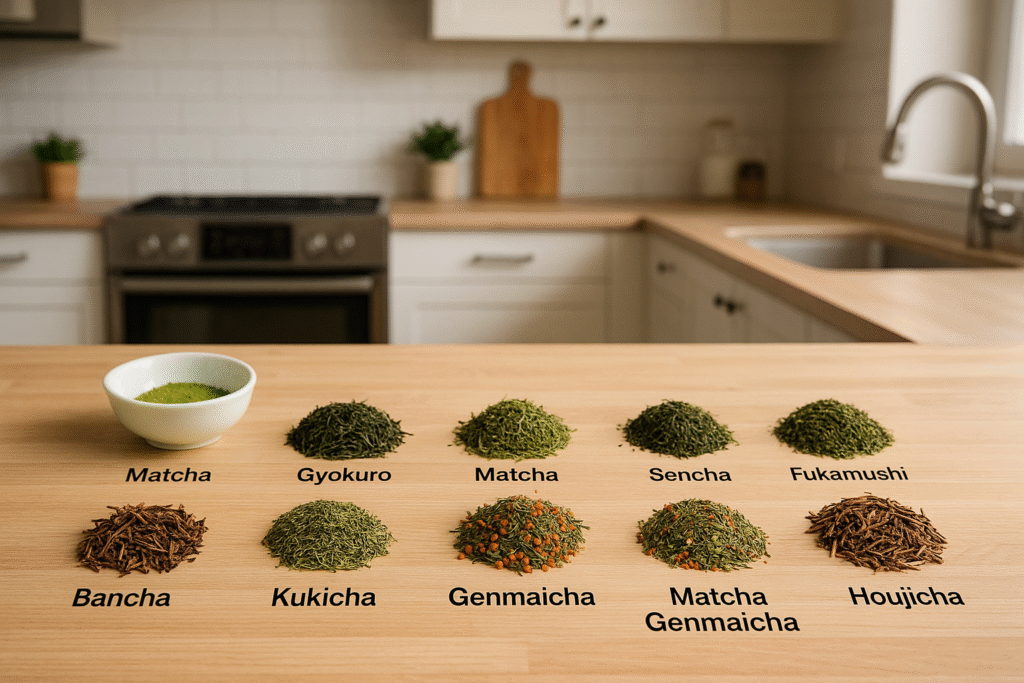
One of the reasons green tea is so widely loved is its variety. Though all green teas come from the Camellia sinensis plant, their flavor, aroma, and nutrient composition differ based on how they are grown, harvested, and processed. Some are shaded before picking to boost amino acids, while others are pan-fired or roasted for unique flavor notes. Below are the most popular types of green tea enjoyed worldwide:
| Type | Origin / Method | Flavor Profile | Nutritional Highlights |
|---|---|---|---|
| Matcha | Japan; shade-grown leaves stone-ground into powder | Creamy, umami, vegetal | Very high in antioxidants (EGCG), higher caffeine, rich in L-theanine |
| Sencha | Japan; steamed leaves, most common tea in Japan | Grassy, bright, slightly astringent | Balanced catechins and L-theanine, moderate caffeine |
| Gyokuro | Japan; shade-grown 3 weeks before harvest | Sweet, smooth, umami | Higher L-theanine, high chlorophyll, rich in antioxidants |
| Genmaicha | Japan; green tea blended with roasted brown rice | Nutty, toasty, mild | Lower caffeine, good minerals, antioxidant-rich |
| Hojicha | Japan; roasted leaves and stems | Smoky, roasted, light | Very low caffeine, calming, gentle antioxidants |
| Kukicha | Japan; stems and twigs instead of leaves | Nutty, slightly creamy | High calcium, minerals, low caffeine, still antioxidant-rich |
| Dragon Well (Longjing) | China; pan-fired flat leaves | Smooth, nutty, chestnut-like | Antioxidant-rich, low bitterness, moderate caffeine |
| Gunpowder Green Tea | China; leaves rolled into pellets, often used in Moroccan mint tea | Bold, slightly smoky, robust | Moderate caffeine, antioxidants, longer shelf life |
These varieties show the diversity of green tea. From the concentrated power of matcha to the roasted smoothness of hojicha and the calming, mineral-rich profile of kukicha, there’s a style to match almost any preference. Exploring different types not only provides variety in taste but also allows you to experience subtle differences in nutrient content and health benefits (3).
Green Tea Nutritional Facts
Green tea is light in calories but packed with bioactive compounds that influence health. Its nutritional profile varies depending on the type of tea and brewing method, but most varieties share a common set of antioxidants, amino acids, and minerals. Below is a snapshot of the nutrients typically found in one brewed cup (240 ml):
| Nutrient / Compound | Approximate Amount | Health Role |
|---|---|---|
| Catechins (EGCG) | 30–50 mg | Potent antioxidant, supports heart health and metabolism |
| Polyphenols | 80–100 mg | Anti-inflammatory, cellular protection |
| Caffeine | 20–35 mg | Gentle stimulation, increases alertness |
| L-theanine | 6–8 mg | Promotes calm focus, balances caffeine |
| Vitamin C | 2–3 mg | Immune support, antioxidant |
| Potassium | 20–30 mg | Supports fluid balance, circulation, and nerve signaling |
| Magnesium | 2–5 mg | Muscle and nerve function, energy production |
| Fluoride | Trace | Supports dental health and enamel strength |
What makes green tea special is the synergy between its compounds. Caffeine and L-theanine together improve focus while preventing jitters. Catechins and polyphenols reduce oxidative stress, protecting cells. Even small amounts of minerals like potassium and magnesium contribute to heart, muscle, and nerve function. All of this comes in a virtually calorie-free beverage (4).
1. High in Antioxidants
One of the greatest strengths of green tea is its concentration of antioxidants, especially catechins such as epigallocatechin gallate (EGCG). Antioxidants protect the body from oxidative stress by neutralizing free radicals—unstable molecules that damage cells and contribute to aging and chronic diseases. EGCG is particularly powerful, with research showing it helps reduce inflammation, support healthy cells, and even slow down processes linked to degenerative conditions.
Drinking green tea regularly gives the body a steady supply of these protective compounds. Beyond long-term disease prevention, antioxidants also promote healthier skin, quicker recovery after exercise, and improved energy balance. For this reason, green tea is often called a “functional drink” because its benefits go far beyond simple hydration (5).
2. Supports Heart Health
Green tea has been linked to improved cardiovascular health in multiple studies. Its catechins help reduce LDL cholesterol levels, improve blood vessel function, and lower blood pressure—all of which reduce strain on the heart. Antioxidants in green tea also help protect the lining of blood vessels from oxidative damage, keeping them flexible and improving circulation.
Large-scale population studies have found that people who drink green tea regularly tend to have a lower risk of heart disease and stroke. For example, Japanese cohorts consuming several cups daily had significantly reduced rates of cardiovascular problems compared with non-drinkers. By supporting cholesterol balance, circulation, and blood pressure, green tea offers a natural and accessible way to protect long-term heart health (6).
3. Boosts Brain Function
Green tea naturally enhances mental performance because it contains both caffeine and L-theanine. Caffeine increases alertness, reaction time, and memory by stimulating the central nervous system. Unlike coffee, the amount of caffeine in green tea is moderate, so it provides energy without the overwhelming spikes. L-theanine works alongside caffeine by promoting relaxation and focus, creating a state of calm concentration.
Studies show that this combination can improve accuracy on mental tasks, enhance problem-solving skills, and reduce mental fatigue. Many people report feeling more steady and balanced after drinking green tea compared with coffee. This makes it a helpful daily drink for students, professionals, or anyone looking to sharpen focus while avoiding the jitters that stronger stimulants can bring (7).
4. Aids in Weight Management
Green tea is often included in weight-loss programs because its active compounds help increase metabolism and fat oxidation. The catechins and caffeine in green tea raise thermogenesis, the body’s process of burning calories for heat and energy. This effect is modest but meaningful, especially when combined with exercise and a balanced diet.
Reviews of clinical studies show that green tea extract can support reductions in body weight and fat percentage over time. Drinking green tea in place of high-calorie beverages also cuts unnecessary sugars and fats from the diet. While it is not a miracle solution, consistent consumption can support long-term weight control and provide an extra boost for those working toward fitness goals (8).
5. May Help Prevent Cancer
One of the most studied areas of green tea research is its potential role in cancer prevention. The catechin EGCG has been shown in laboratory and animal studies to slow the growth of cancer cells and protect DNA from damage caused by free radicals. It may also reduce angiogenesis, which is the formation of new blood vessels that feed tumors.
While human studies are still limited and ongoing, populations that consume high amounts of green tea often show lower rates of certain cancers such as breast, prostate, and colorectal cancer. Scientists caution that green tea should not be viewed as a cure, but the evidence suggests that regular consumption can be a supportive part of a preventive lifestyle (9).
6. Supports Healthy Blood Sugar
Green tea may help stabilize blood sugar levels and improve insulin sensitivity. Catechins slow the absorption of glucose into the bloodstream, which can reduce post-meal spikes. At the same time, polyphenols appear to improve how the body uses insulin, the hormone that regulates blood sugar.
Several clinical studies have reported that regular green tea drinkers have lower fasting glucose levels and reduced risk of developing type 2 diabetes. For people already managing blood sugar, replacing sweetened drinks with green tea is a simple way to lower overall sugar intake while adding compounds that support better metabolic balance (10).
7. Promotes Healthy Skin
Green tea supports skin health by protecting cells from oxidative stress and environmental damage. Its catechins, particularly EGCG, help neutralize free radicals that contribute to premature aging, wrinkles, and uneven skin tone. Regular consumption of green tea has been linked to improved skin hydration and elasticity, which are essential for a youthful appearance.
Some research also suggests that applying green tea extracts topically may reduce redness and sun damage caused by UV rays. Drinking green tea provides the body with antioxidants that work from the inside out, while topical products complement this effect. Together, these benefits make green tea a powerful ally for clearer, healthier, and more resilient skin (11).
8. Strengthens Bones and Teeth
Green tea contains small but meaningful amounts of calcium, fluoride, and magnesium, all of which contribute to bone and dental strength. These minerals support bone density, reduce the risk of fractures, and help protect against osteoporosis, particularly in older adults. Fluoride strengthens enamel and helps protect teeth from decay.
In addition, catechins have anti-inflammatory and antibacterial properties that can reduce gum disease and cavity-causing bacteria. Research shows that people who drink green tea regularly often have better oral health outcomes compared with non-drinkers, likely due to this combination of minerals and protective compounds (12).
9. Enhances Digestive Health
Green tea has traditionally been consumed after meals in many Asian cultures because it supports digestion. Its polyphenols encourage the growth of healthy gut bacteria while suppressing harmful microbes, which improves balance in the gut microbiome. A healthier microbiome is linked to smoother digestion, better nutrient absorption, and reduced digestive discomfort.
The mild caffeine and tannin content in green tea can also stimulate bowel movements, which helps regulate digestion. While people with very sensitive stomachs may prefer milder varieties such as hojicha or kukicha, for most drinkers green tea is a gentle way to keep the digestive system functioning smoothly (13).
10. Boosts Immune Function
Green tea strengthens the immune system by delivering a combination of catechins, vitamin C, and polyphenols. These compounds enhance the body’s ability to fight infections by increasing the activity of white blood cells and reducing inflammation. Antioxidants also protect immune cells from oxidative stress, helping them function more effectively.
Research has found that regular green tea consumption is associated with fewer colds and cases of flu. The catechins in particular have shown antiviral properties against common pathogens. Drinking green tea regularly may not replace other immune-supporting habits, but it provides a simple and natural boost to daily defenses (14).
11. Promotes Longevity
Green tea is often linked with longer life expectancy, particularly in populations that consume it daily. Studies from Japan and China have shown that people who drink several cups of green tea per day tend to have lower rates of chronic illnesses such as heart disease, stroke, and certain cancers. By reducing oxidative stress, supporting heart and metabolic health, and boosting immunity, green tea creates a foundation for healthy aging.
Large cohort studies suggest that the habit of drinking green tea is associated with reduced all-cause mortality. This means that, beyond targeting specific diseases, green tea contributes to overall resilience and vitality. While no single food or drink guarantees a longer life, incorporating green tea into daily routines can be a simple, consistent practice that supports longevity and well-being (15).
How to Make Green Tea
Brewing green tea is simple, but doing it correctly makes all the difference in flavor and nutrient retention. Green tea leaves are delicate, and water that is too hot or steeping that is too long can make the tea taste overly bitter. By following a few careful steps, you can unlock the fresh, grassy, and sometimes nutty flavors that make green tea unique.
Brewing Loose-Leaf Green Tea (Sencha, Gyokuro, Kukicha, Dragon Well)
- Measure the tea
Use about 1 teaspoon (2–3 grams) of loose green tea leaves per cup of water. For kukicha or hojicha, you may want slightly more since they are lighter in density. - Heat the water
Warm water to 160–185°F (70–85°C) depending on the type.- For delicate teas like gyokuro, stay closer to 160°F (70°C).
- For common teas like sencha, 175–180°F (80–82°C) is ideal.
- Avoid boiling water, which burns the leaves and extracts too many bitter tannins.
- Steep the tea
Steep the leaves for 1–3 minutes depending on desired strength. A shorter steep produces a lighter, more refreshing flavor, while a longer steep extracts more antioxidants and creates a bolder taste. - Serve and enjoy
Strain into a cup and enjoy plain. Some people add a slice of lemon or a drizzle of honey, but traditional green tea is typically enjoyed without additions to appreciate its natural taste. - Multiple infusions
Many high-quality teas, especially Japanese and Chinese varieties, can be steeped two or three times. Slightly increase steeping time for each additional brew.
Preparing Matcha
Matcha is prepared differently because it is a powdered tea, meaning you consume the entire leaf rather than an infusion. This makes it far richer in antioxidants and caffeine than brewed leaf teas.
- Sift the powder
Place 1–2 teaspoons (2–4 grams) of matcha into a bowl. Sifting removes clumps and ensures a smooth drink. - Add water
Heat water to about 175°F (80°C). Pour 2–3 ounces (60–90 ml) of hot water into the bowl. - Whisk
Use a bamboo whisk (chasen) to briskly whisk the matcha in a zigzag motion until a frothy layer forms on top. - Drink immediately
Matcha is consumed whole, so stir and enjoy right after whisking for the freshest flavor. It can also be added to smoothies, lattes, or even baked goods for variety.
Iced Green Tea
Green tea can also be enjoyed cold. Simply brew as above, allow it to cool, and pour over ice. Alternatively, you can use the cold-brew method by steeping 1–2 teaspoons of leaves in cold water for 4–6 hours in the refrigerator. This produces a smoother, less bitter tea that is naturally refreshing.
With these methods, you can adapt green tea to any season, preference, or daily ritual while preserving both its flavor and health benefits.
Side Effects and Risks
Green tea is one of the safest and most widely consumed beverages in the world, but like any functional food, moderation is important. Drinking two to four cups a day is generally considered safe for most healthy adults, yet overconsumption can bring some unwanted effects.
Caffeine Sensitivity
Although green tea has less caffeine than coffee, it still contains about 20–35 mg per cup. For people who are sensitive to caffeine, this can cause jitters, restlessness, or difficulty sleeping if consumed in large amounts or late in the day. If you are caffeine-sensitive, opt for low-caffeine varieties such as hojicha or kukicha, or choose decaffeinated green tea.
Iron Absorption
The tannins in green tea can reduce the absorption of non-heme iron (the type of iron found in plant-based foods). Drinking green tea with meals may therefore interfere with iron uptake, particularly in people prone to anemia. To avoid this, it’s best to consume green tea between meals rather than with iron-rich foods.
Stomach Sensitivity
For some individuals, green tea’s tannins may cause mild stomach upset or nausea if consumed on an empty stomach. Starting with smaller servings or pairing tea with a light snack can reduce this effect.
Medication Interactions
Green tea can interact with certain medications. Its caffeine may amplify the effects of stimulants, and its catechins may interfere with some blood pressure and heart medications. People on anticoagulants should also exercise caution since green tea contains vitamin K, which affects blood clotting. Consulting a healthcare provider is advised if you are on prescription medications.
Contamination Concerns
As with all teas, quality matters. Poorly sourced green tea may contain pesticide residues or heavy metals absorbed from the soil. Choosing certified organic and reputable brands is the safest way to reduce these risks.
Conclusion
Green tea has earned its place as one of the healthiest beverages on the planet. From its antioxidants that fight cellular damage to its role in supporting heart health, brain performance, metabolism, and even longevity, it delivers a wide range of benefits in every cup. Its unique balance of caffeine and L-theanine provides steady energy and mental clarity, while minerals and polyphenols contribute to stronger bones, teeth, skin, and immune function.
With so many varieties to choose from—including sencha, matcha, gyokuro, and hojicha—there is a style of green tea to suit almost every taste and lifestyle. Whether you enjoy it hot, iced, or whisked as matcha, drinking green tea regularly can be both a pleasurable ritual and a long-term investment in your health.
The key is moderation and quality. Choosing organic teas and drinking two to four cups daily is enough to enjoy the benefits without the drawbacks of overconsumption. Combined with a balanced diet and healthy habits, green tea can be a simple, natural way to support wellness and vitality at any age.