
The Best Tea for Constipation
Constipation is one of the most common digestive issues, affecting millions of people worldwide. It can leave you feeling bloated, sluggish, and uncomfortable. While over-the-counter laxatives are often used, many people look for gentler, more natural solutions. One simple approach is drinking tea. The warmth, hydration, and natural plant compounds in certain teas may help stimulate bowel movements, relax the digestive tract, and bring relief.
Not all teas work the same way—some provide gentle support for daily digestion, while others act more like natural laxatives. Knowing the difference helps you choose the right tea for your needs without overdoing it (1).
Bottom Line Up Front
If you need fast relief, senna tea is the most effective option. It contains natural compounds called sennosides, which stimulate the intestines and often bring results in 6–12 hours. However, it should only be used short term.
For gentle, everyday support, teas like ginger, peppermint, and dandelion can be more suitable. These teas help soothe the gut, encourage movement, and reduce bloating without acting as strong laxatives.
The best results usually come from combining tea with good habits like drinking enough water, eating fiber-rich foods, and moving your body daily.
How Constipation Happens
Constipation occurs when stool moves too slowly through the digestive tract, becomes hard, and is difficult to pass. This can happen for several reasons:
- Low fiber intake – not enough fruits, vegetables, and whole grains in the diet.
- Low fluid intake – dehydration makes stool harder and drier.
- Lack of activity – sitting too long slows digestion.
- Medication side effects – painkillers, antidepressants, and iron supplements can contribute.
- Stress or disrupted routine – travel, poor sleep, or anxiety can affect bowel regularity.
Understanding these causes helps explain why tea works for some people. The warm liquid can stimulate bowel contractions, while plant compounds in certain teas can relax muscles or act as mild laxatives.
How Tea Can Help
Tea can support digestion in a few different ways. First, simply drinking a warm fluid can help stimulate the digestive system. Warmth increases blood flow to the gut and can activate the gastrocolic reflex—the natural process where the stomach signals the colon to move stool along.
Second, teas provide hydration, which softens stool and makes it easier to pass. Dehydration is one of the most common contributors to constipation, so drinking enough fluids alone can bring relief.
Finally, certain teas contain natural plant compounds that influence gut motility. For example, caffeine in black or green tea can mildly stimulate the intestines, while herbs like ginger and peppermint can relax smooth muscle and reduce discomfort. Some teas, such as senna, act as direct stimulant laxatives and should only be used for short-term relief (2).
The Best Teas for Fast Relief
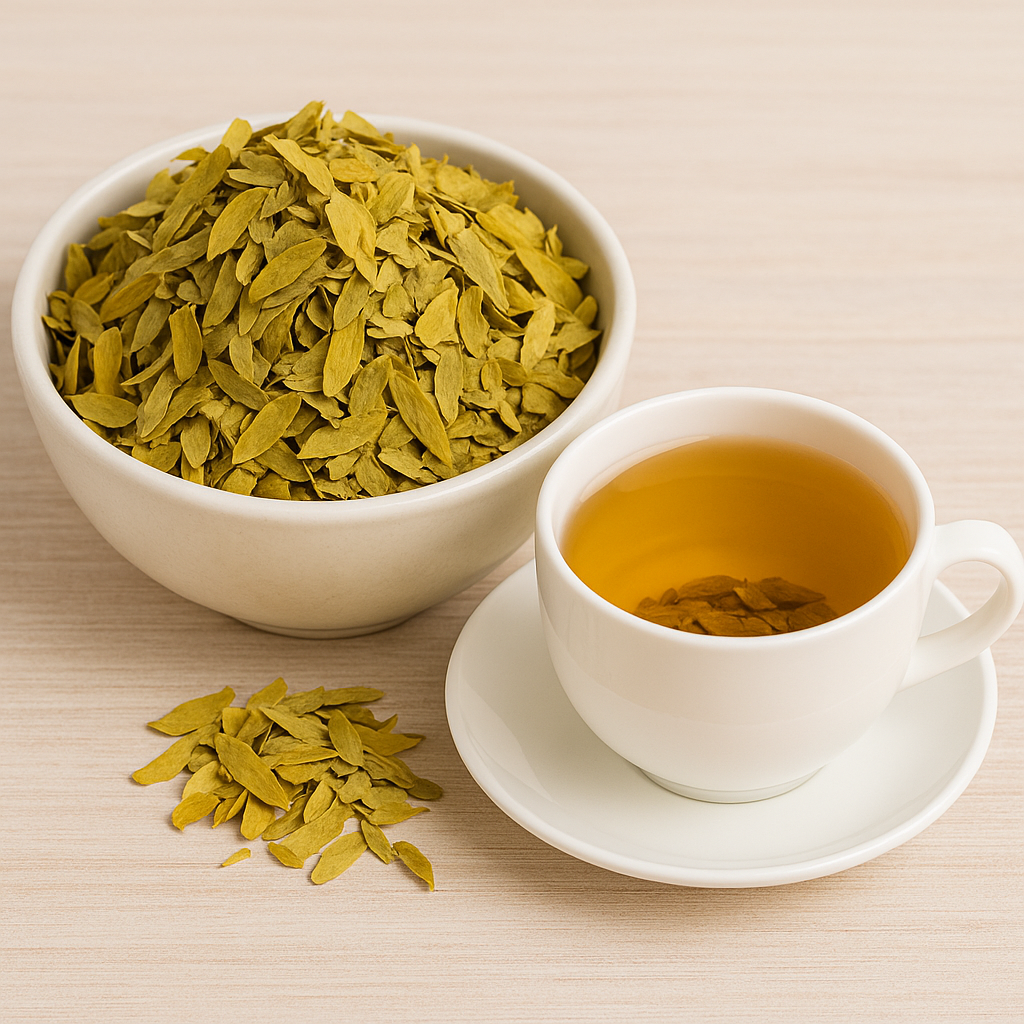
When constipation is uncomfortable and you want relief quickly, stimulant herbal teas are often the most effective. These teas contain natural compounds that directly stimulate the intestines, encouraging bowel contractions and helping stool move more quickly. Two of the most common are senna tea and cascara sagrada tea.
Senna Tea
Senna comes from the leaves and pods of the Senna alexandrina plant and has been used for centuries as a natural laxative. It contains compounds called sennosides, which stimulate the lining of the intestines and speed up stool passage. Most people feel the effects within 6 to 12 hours of drinking a cup, which is why senna tea is often recommended before bedtime.
Because it works so effectively, senna tea is often found in over-the-counter laxative products. However, it is not meant for long-term or daily use. Overuse can lead to dependency, where your bowel struggles to function without stimulation. It may also cause cramping or loose stools in some people. Senna is best reserved for short-term use during occasional constipation, and anyone pregnant, breastfeeding, or on medication should consult a doctor before using it.
Cascara Sagrada Tea
Cascara sagrada, made from the bark of the buckthorn tree, is another herbal tea with a long history as a laxative. Like senna, it contains anthraquinone glycosides, which trigger muscle contractions in the colon. Traditionally, cascara was widely used in digestive tonics in North America.
However, its safety has been questioned. The U.S. Food and Drug Administration (FDA) no longer recognizes cascara as an approved over-the-counter laxative because of concerns about its side effects and lack of strong modern evidence. That said, some herbalists still recommend it for short-term use, but it should be approached with caution.
In summary, senna tea is generally considered the more reliable and better-studied option for occasional constipation relief, while cascara has become less common due to safety concerns. Both should only be used occasionally and never as a long-term solution (3).
Gentle Support Teas
Not everyone needs or wants a strong stimulant laxative like senna. For many, gentle herbal teas can provide daily support, improving digestion and easing discomfort without forcing a bowel movement. These teas work more subtly, helping the gut move smoothly while reducing bloating or cramping.
Ginger Tea
Ginger has been used for centuries as a digestive aid. It helps stimulate gastric motility, meaning it encourages the stomach and intestines to move food along. Ginger tea may also reduce bloating, nausea, and discomfort that often accompany constipation. A warm cup after meals can provide both digestive relief and comfort.
Peppermint Tea
Peppermint contains menthol, which relaxes the smooth muscles of the digestive tract. This antispasmodic effect can reduce cramping and gas, making bowel movements less uncomfortable. Peppermint tea is especially popular among people with irritable bowel syndrome (IBS), though individuals with acid reflux should be cautious, as peppermint can sometimes worsen symptoms.
Dandelion Tea
Dandelion root and leaf tea are often used as gentle digestive tonics. They may act as a mild diuretic, increasing fluid balance in the body, and are traditionally believed to stimulate bile production, which can help digestion. While research is limited, many people find dandelion tea a soothing, natural choice for digestive health.
Chamomile Tea
Chamomile is best known for its calming effects, but it also benefits digestion. By relaxing the digestive tract, it may ease mild constipation and reduce gas. A warm cup of chamomile tea before bed can promote both better sleep and smoother digestion.
Fennel Tea
Fennel seeds contain compounds that relax intestinal muscles and reduce gas. In some cultures, fennel tea is a common after-meal drink to improve digestion and prevent bloating. While not a direct laxative, it can support overall bowel comfort.
Together, these gentle teas work by promoting relaxation, soothing the gut, and helping bowel movements occur naturally. They are safe for daily use, unlike stimulant teas, making them good long-term companions for digestive health (4).
Caffeinated Teas and Indirect Helpers
While herbal teas are often the first choice for constipation, green and black teas can also help indirectly. Their benefit comes not from fiber or soothing compounds but from caffeine.
Green Tea
Green tea contains moderate amounts of caffeine along with catechins (a type of antioxidant). The caffeine can stimulate the gastrocolic reflex, which is the body’s natural signal that prompts the intestines to contract after eating or drinking. For some people, this gentle stimulation is enough to encourage a bowel movement. In addition, the antioxidants in green tea may support general gut health by reducing inflammation and feeding beneficial microbes.
Black Tea
Black tea has more caffeine than green tea, though still less than coffee. For those sensitive to caffeine, a morning cup of black tea may provide a mild laxative-like effect by increasing intestinal activity. It also adds hydration, which is key for preventing constipation.
Other Indirect Helpers
- Warm water or warm lemon water – Drinking warm liquids alone can stimulate the digestive tract and soften stool.
- Prune tea or prune infusions – Prunes are rich in sorbitol, a natural sugar alcohol that has a laxative effect. A prune-based infusion can deliver some of these benefits without eating the whole fruit.
- Kiwifruit tea or infusions – While less common, kiwifruit is rich in actinidin and fiber, both of which help with bowel regularity. Infusions that include dried kiwi may support digestion.
Caffeinated teas should be used mindfully. Too much caffeine can lead to dehydration if not balanced with water intake, and for some people it may trigger anxiety or poor sleep. Still, when enjoyed in moderation, green and black tea can be helpful additions to a gut-friendly routine (5).
Practical Guide: What to Try First
With so many teas to choose from, it helps to match the tea to your specific needs. Here’s a simple way to decide:
- For quick, occasional relief: Choose senna tea. It works within 6–12 hours and is best taken before bed. Use it only when needed, not daily.
- For daily, gentle support: Start with ginger, peppermint, or chamomile tea. These are safe for long-term use and can be sipped after meals to encourage smooth digestion.
- If you prefer caffeine: A morning cup of green or black tea may help stimulate the gastrocolic reflex and get things moving.
- If you want hydration plus support: Dandelion or fennel tea provide fluids along with mild digestive benefits.
The key is to start small and see how your body responds. For many people, gentle teas combined with hydration, fiber, and movement are enough to restore regularity without strong laxatives.
Dosing and Brewing Notes
Each tea has its own preparation guidelines. Here’s how to get the most from them:
- Senna Tea – Steep 1 tea bag or 1 teaspoon of dried senna leaves in hot water for 5–10 minutes. Drink once before bed. Do not use more than 7 consecutive days.
- Ginger Tea – Use 2–3 slices of fresh ginger or 1 teaspoon of dried root per cup. Steep 5–10 minutes. Can be enjoyed 2–3 times daily.
- Peppermint Tea – Steep 1–2 teaspoons of dried leaves for 5–7 minutes. Drink after meals to reduce bloating and ease bowel movements.
- Dandelion Root Tea – Simmer 1–2 teaspoons of dried root for 10–15 minutes. The leaves can be brewed like regular herbal tea for 5–10 minutes.
- Chamomile Tea – Steep 1 tablespoon of dried flowers or 1 tea bag for 5–7 minutes. Often taken in the evening for relaxation and gut comfort.
- Black or Green Tea – Steep 1 teaspoon of leaves or 1 bag for 2–3 minutes. Best consumed in the morning or early afternoon for a caffeine boost.
Always listen to your body—too strong a brew may cause cramping. Start with shorter steep times, then adjust if you want a stronger effect (6).
Safety and Who Should Avoid Certain Teas
Even though teas are natural, they are not risk-free. It’s important to know which ones may cause problems and who should avoid them:
- Senna and Cascara – These stimulant teas are effective but can cause cramping, diarrhea, and dependence if used long-term. People with chronic constipation should not rely on them daily. They should also be avoided during pregnancy, breastfeeding, or in children unless under medical guidance.
- Peppermint Tea – While excellent for cramping, it can worsen acid reflux or heartburn in some people because it relaxes the lower esophageal sphincter.
- Licorice Root Tea – Sometimes used for digestion, but high amounts can raise blood pressure and lower potassium levels. Best avoided by people with hypertension or heart conditions.
- Cascara – No longer FDA-approved as a laxative due to safety concerns. It’s best avoided unless supervised by a qualified herbal practitioner.
- Chamomile Tea – Generally safe, but it may trigger allergic reactions in those sensitive to plants like ragweed.
Pregnant or breastfeeding women, children, and anyone with chronic conditions like irritable bowel disease (IBD) or a history of bowel obstruction should consult a healthcare provider before using herbal teas for constipation.
Drug Interactions
Some teas can interact with medications:
- Senna and Cascara – Can lower potassium levels, which may increase the risk of side effects with digoxin, diuretics, or corticosteroids.
- Licorice Root Tea – Can interfere with antihypertensive drugs, diuretics, and certain heart medications.
- Chamomile – May interact with blood thinners like warfarin, increasing bleeding risk.
- Peppermint – Can affect the absorption of some medications if taken at the same time.
If you’re taking prescription medications, it’s safest to consult a doctor before adding herbal teas into your routine. Natural remedies are powerful, but they need to be used wisely (7).
When to See a Doctor
While occasional constipation can often be managed with tea, diet, and hydration, persistent or severe cases may need medical attention. See a doctor if you experience:
- Constipation lasting longer than two weeks
- Blood in the stool or black, tarry stools
- Unexplained weight loss
- Severe abdominal pain or bloating
- Alternating constipation and diarrhea
These may signal underlying conditions such as irritable bowel syndrome (IBS), thyroid issues, or colorectal disease that require professional diagnosis. Relying on stimulant teas like senna without addressing the root cause can mask more serious problems.
Frequently Asked Questions
Herbal stimulant teas like senna may work within 6–12 hours, while gentler teas such as peppermint, chamomile, or ginger may take longer and provide more subtle relief.
Milder teas like chamomile, peppermint, or ginger are generally safe for daily use. Stimulant teas like senna and cascara should only be used occasionally, not as a daily habit.
Many people prefer to drink herbal teas at night so that bowel movements occur in the morning. Hydrating teas can be consumed throughout the day.
Children should avoid stimulant teas. For mild constipation, pediatricians usually recommend dietary changes, more fluids, and sometimes very gentle remedies under supervision.
Conclusion
Tea can be a safe and soothing ally in relieving constipation. From stimulant teas like senna to gentler options like peppermint and chamomile, there are choices for both quick relief and ongoing support. However, not all teas are suitable for everyone. Those with chronic health conditions, pregnant or breastfeeding women, and people on prescription medications should exercise caution.
When used responsibly, tea is more than just a warm drink — it can support digestion, hydration, and comfort during uncomfortable bouts of constipation. But if symptoms persist, consulting a doctor is always the wisest step (8).


