Bitter Leaf Tea: Benefits, Side Effects, How to Brew
Bitter leaf tea, made from the leaves of the Vernonia amygdalina plant, has long been a staple in African traditional medicine. Known for its sharp, earthy bitterness, this herbal infusion is valued not just for its distinctive flavor but also for its cleansing and restorative qualities. Across countries like Nigeria, Ghana, and Cameroon, bitter leaf is widely used in soups, herbal concoctions, and medicinal brews for a wide range of health purposes.
In recent years, bitter leaf tea has gained global recognition as a natural wellness drink. With growing interest in detox teas and herbal remedies, more people are turning to this bitter yet powerful infusion for digestive support, blood sugar regulation, and immunity-boosting potential. Its roots in centuries-old herbal practices make it not only a beverage but also a cultural symbol of resilience and of healing (1).
What is Bitter Leaf Tea?
Bitter leaf tea is a simple herbal infusion made by steeping either fresh or dried leaves of Vernonia amygdalina in hot water. The plant itself is a hardy shrub native to tropical Africa and is highly valued for both culinary and medicinal uses. While its leaves are extremely bitter when raw, boiling or steeping them releases bioactive compounds while mellowing the flavor slightly.
Traditionally, the tea has been consumed as a detoxifying drink, thought to cleanse the body of impurities and restore balance. It has also been used as a household remedy for common issues like fever, stomach upset, and fatigue. Beyond traditional medicine, research has identified phytochemicals such as flavonoids, alkaloids, and antioxidants in bitter leaf, which may explain its wide-ranging health effects (2).
Nutritional and Phytochemical Profile of Bitter Leaf Tea
Bitter leaf tea may be light in calories, but it is rich in plant compounds that make it a powerhouse for natural healing. Scientific studies have identified bioactive components such as flavonoids, tannins, alkaloids, and saponins in the leaves. These compounds contribute to its antioxidant, anti-inflammatory, and antimicrobial properties. In addition, bitter leaf contains essential vitamins like vitamin C and E, as well as minerals such as iron, calcium, potassium, and zinc.
Unlike nutrient-dense foods, the tea infusion does not provide large amounts of macronutrients. Instead, its primary value lies in delivering soluble phytochemicals that help protect the body from oxidative stress, regulate metabolism, and support immunity. The presence of alkaloids and glycosides also explains its traditionally noted bitter taste, which is often associated with detoxifying effects in herbal medicine (3).
Key Compounds in Bitter Leaf Tea
| Category | Compounds/Examples | Potential Effects |
|---|---|---|
| Flavonoids | Luteolin, Apigenin | Antioxidant, anti-inflammatory |
| Alkaloids | Vernodalin, Vernomygdin | Antimicrobial, detoxifying |
| Saponins | Plant-based saponins | Cholesterol regulation, immune support |
| Tannins | Hydrolyzable and condensed tannins | Astringent, digestive regulation |
| Vitamins | Vitamin C, Vitamin E | Antioxidant, immune support |
| Minerals | Iron, Potassium, Zinc, Calcium | Blood health, metabolism, bone strength |
Health Benefits of Bitter Leaf Tea
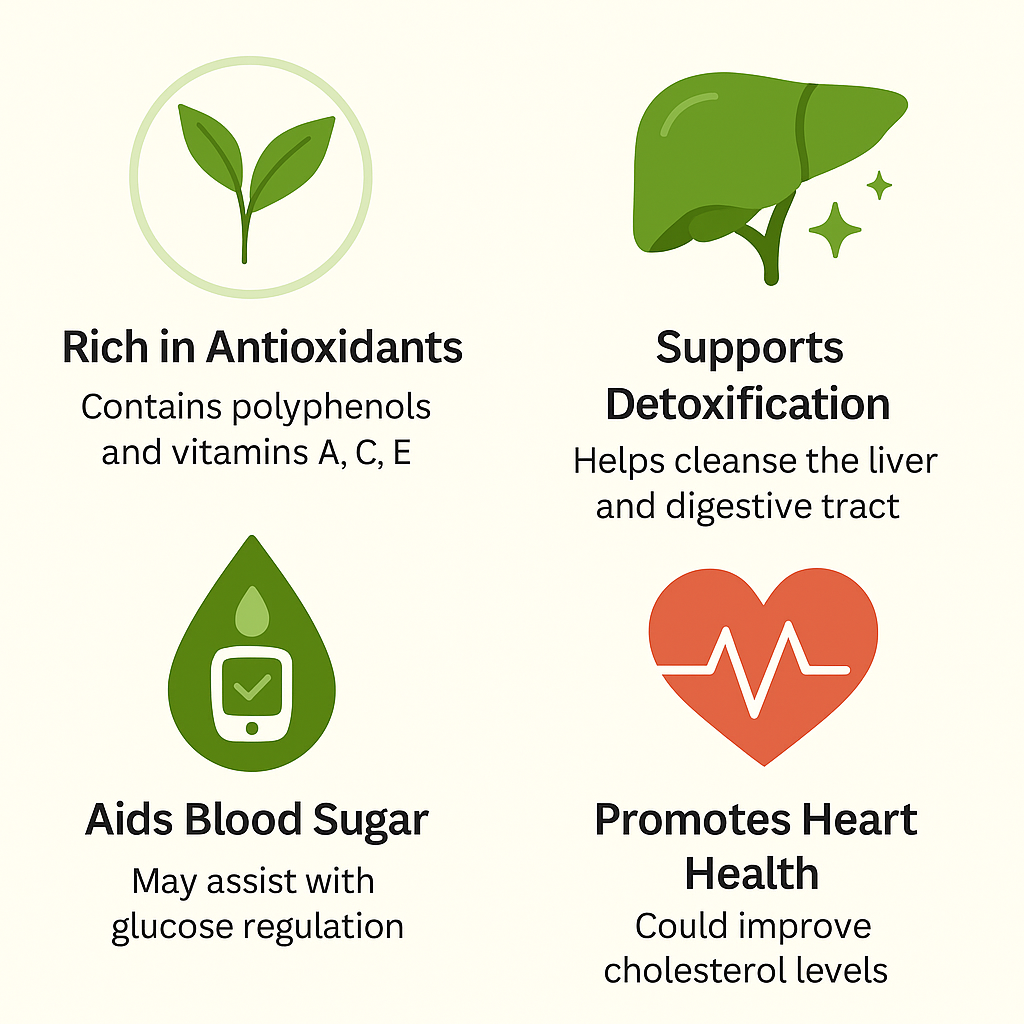
Bitter leaf tea has been treasured in African traditional medicine for generations, and modern science is beginning to validate many of its claims. Its phytochemical-rich profile offers a variety of potential health benefits, ranging from blood sugar regulation to enhanced immunity. Below are some of the most researched and traditionally acknowledged benefits.
1. Supports Blood Sugar Regulation
One of the most studied effects of bitter leaf tea is its potential to help regulate blood sugar levels. Compounds such as flavonoids and alkaloids found in Vernonia amygdalina may improve insulin sensitivity and support glucose metabolism. This makes it especially valuable for individuals at risk of type 2 diabetes or those managing prediabetes.
Research has shown that extracts of bitter leaf can significantly reduce blood glucose levels in animal and human studies, supporting its traditional use as a natural aid for balancing sugar levels (4).
2. Boosts Immune Function
Bitter leaf tea contains powerful antioxidants, including flavonoids and vitamins C and E, that help strengthen the immune system. These compounds neutralize harmful free radicals, reducing oxidative stress and lowering susceptibility to chronic illness.
Traditional healers have long used bitter leaf tea as a natural remedy to help the body recover from infections and fever. Scientific reviews suggest that the antimicrobial and immune-modulating properties of Vernonia amygdalina contribute to these protective effects (5).
3. Promotes Digestive Health
The natural bitterness of the tea stimulates digestive enzymes, which can aid in breaking down food more efficiently. Its tannins and saponins also have mild antimicrobial and anti-parasitic properties, which may help in cleansing the digestive tract.
Traditionally, bitter leaf tea has been consumed to ease indigestion, bloating, and gastrointestinal upset. Research supports its potential to regulate gut motility and improve overall digestive health by reducing harmful microbes in the gut environment (6).
4. Supports Liver Health
The liver plays a central role in detoxification, fat metabolism, and overall energy balance. Bitter leaf tea may support liver health by reducing oxidative damage and promoting the regeneration of liver cells. Its phytochemicals, especially flavonoids and terpenoids, are known to protect against toxins that can cause liver injury.
Animal studies suggest that bitter leaf extract can lower elevated liver enzymes, which are markers of liver stress. This indicates a protective effect against hepatotoxic substances, making the tea potentially beneficial for those exposed to processed foods, alcohol, or environmental toxins (7).
5. Aids in Weight Management
Bitter leaf tea may support weight loss and healthy metabolism due to its ability to regulate blood sugar and improve digestion. By curbing excessive appetite and reducing sugar cravings, it helps prevent overeating, which can contribute to weight gain.
In addition, bitter leaf has been studied for its lipid-lowering properties. Research indicates that it can reduce cholesterol and triglyceride levels while improving fat metabolism. This dual action makes it a promising natural aid for individuals seeking to maintain or lose weight in a sustainable way (8).
6. Reduces Inflammation
Chronic inflammation is linked to a wide range of conditions, including arthritis, cardiovascular disease, and autoimmune disorders. Bitter leaf tea contains anti-inflammatory compounds such as sesquiterpene lactones that help suppress inflammatory pathways in the body.
Traditional medicine often uses bitter leaf to relieve joint pain, swelling, and fever. Modern research supports this application, showing that its extracts can reduce pro-inflammatory markers and provide relief in inflammatory conditions. Drinking the tea regularly may therefore contribute to better joint mobility and overall comfort (9).
7. May Help Lower Blood Pressure
Bitter leaf tea is traditionally consumed to help regulate blood pressure, and studies suggest its compounds may indeed support cardiovascular health. The tea contains potassium, which naturally helps relax blood vessel walls and supports fluid balance in the body. Additionally, its flavonoids work to reduce oxidative stress on arteries, which can contribute to hypertension.
Regular consumption may complement lifestyle changes for individuals struggling with high blood pressure. Animal studies and small clinical observations have reported reductions in systolic and diastolic blood pressure with bitter leaf extracts, though more large-scale research is needed (10).
8. May Have Anti-Cancer Potential
Emerging studies suggest that the phytochemicals in Vernonia amygdalina may possess anti-cancer properties. Compounds like sesquiterpene lactones and flavonoids have been shown in laboratory studies to inhibit the growth of certain cancer cells and induce apoptosis (programmed cell death).
While this research is still in its early stages and mostly based on cell and animal models, it offers an exciting area of investigation. Traditional medicine has long considered bitter leaf a “cleansing” herb, and modern science is beginning to explore how its bioactive compounds may contribute to cancer prevention strategies (11).
9. Enhances Skin Health
Bitter leaf tea may also benefit the skin, thanks to its antioxidant and anti-inflammatory properties. By neutralizing free radicals, it can help reduce oxidative damage that leads to premature aging, dullness, and fine lines. Its antimicrobial qualities may further support clearer skin by reducing the growth of acne-causing bacteria.
In some traditional practices, bitter leaf extract is applied topically to soothe skin irritations and rashes. Drinking the tea internally can complement this by supporting detoxification and promoting healthier-looking skin from within (12).
How to Brew Bitter Leaf Tea

Bitter leaf has a strong, earthy taste, so preparing it correctly helps balance its intensity while preserving its health benefits. You can use either fresh leaves, dried leaves, or powdered bitter leaf.
Step-by-Step Guide
- Rinse the Leaves • If using fresh bitter leaves, wash them thoroughly to reduce excess bitterness and remove dirt. • Dried leaves can be rinsed quickly before brewing.
- Boil Water • Bring 2–3 cups (about 500–700 ml) of water to a boil. • Use filtered water for the best flavor.
- Add the Bitter Leaves • Add a handful of fresh leaves or 1–2 tablespoons of dried leaves. • If using powdered bitter leaf, add 1 teaspoon per cup.
- Simmer Gently • Allow the leaves to simmer for 5–10 minutes. • For a stronger brew, simmer up to 15 minutes.
- Strain the Tea • Remove the leaves or filter out powder before serving. • The liquid will have a dark greenish to brownish color.
- Optional Flavoring • Because bitter leaf tea is very strong in taste, you may add a squeeze of lemon, a slice of ginger, or a teaspoon of honey to soften the bitterness.
- Serve and Enjoy • Drink warm, ideally once daily or 3–4 times per week. • For best results, enjoy on an empty stomach in the morning.
FAQs About Bitter Leaf Tea
Yes, but moderation is key. One small cup daily is generally safe, but excessive intake may cause digestive upset.
It may support weight management by improving digestion and metabolism, though it should be paired with diet and exercise for results.
It’s best consumed after meals. Drinking it on an empty stomach may cause nausea due to its strong bitter compounds.
Not recommended for young children because of its strong bitterness and potential effects on blood sugar.
Steep for 5–10 minutes depending on how strong you prefer the flavor. Longer steeping increases bitterness.
Conclusion
Bitter leaf tea is more than just a traditional herbal remedy — it is a nutrient-rich infusion with a long history of use across African cultures. Packed with flavonoids, alkaloids, vitamins, and minerals, it offers a wide range of potential health benefits, from supporting blood sugar and heart health to aiding digestion and boosting immunity. Modern research is beginning to validate many of these traditional claims, making bitter leaf tea an exciting addition to a natural wellness routine.
At the same time, its strong bitterness and potent phytochemicals mean it should be consumed with care. Pregnant women, individuals on medication for blood sugar or blood pressure, and those with sensitivities should consult a healthcare provider before use.
When enjoyed in moderation and prepared correctly, bitter leaf tea can serve as a powerful ally for overall wellness, combining ancient wisdom with modern evidence.