Bester Tee für Angst
Gefühle von Sorge, Nervosität oder Unruhe
Top 6 Tees nach Wirksamkeit sortiert
🏆 The #1 tea for Angst is Chamomile Tee.
Chamomile tea has been revered for centuries as a natural remedy for anxiety, and modern research indicates its calming effects stem from several bioactive compounds that interact with the body's nervous system. Studies suggest that chamomile's primary anxiolytic properties come from flavonoids like apigenin, which binds to benzodiazepine receptors in the brain - the same receptors targeted by anti-anxiety medications.
Bewertung: 9/10

Chamomile Tee
9/10Warum es hilft:
Chamomile tea has been revered for centuries as a natural remedy for anxiety, and modern research indicates its calming effects stem from several bioactive compounds that interact with the body's nervous system. Studies suggest that chamomile's primary anxiolytic properties come from flavonoids like apigenin, which binds to benzodiazepine receptors in the brain - the same receptors targeted by anti-anxiety medications. This binding action helps reduce neural excitability and promotes a sense of calm without the sedative effects associated with pharmaceutical alternatives. Research indicates that chamomile's effectiveness extends beyond immediate relaxation. A 2016 randomized controlled trial published in Phytomedicine found that participants with generalized anxiety disorder who consumed chamomile extract experienced significant reductions in anxiety symptoms compared to placebo groups. The study revealed that chamomile not only provides acute anxiety relief but may also help prevent anxiety relapse over time. The herb's gentle GABA-enhancing properties help regulate the body's stress response system, making it particularly beneficial for those experiencing chronic worry or occasional anxiety episodes. Beyond its direct neurological effects, studies suggest that chamomile tea supports anxiety management through its anti-inflammatory properties. Chronic inflammation has been linked to increased anxiety levels, and chamomile's compounds like chamazulene and bisabolol help reduce inflammatory...
Wichtige Wirkstoffe:
Zubereitungstipp: For maximum anxiety-relieving benefits, steep chamomile tea in water heated to 200-212°F for 5-7 minutes to fully extract the calming compounds. Use 1-2 teaspoons of dried chamomile flowers per cup for optimal potency. Drink 30-60 minutes before stressful situations or as part of an evening wind-down routine.
Dosierung: Most studies suggest 1-3 cups of chamomile tea daily for anxiety management, with timing depending on your specific needs. For general anxiety relief, drink one cup mid-morning and another in early evening, while those with sleep-related anxiety may benefit most from a single cup 30-60 minutes before bedtime.
Lavendeltee
9/10Warum es hilft:
Lavender tea's remarkable ability to reduce anxiety stems from its rich concentration of bioactive compounds that directly interact with the nervous system. Research indicates that lavender's primary compound, linalool, acts as a natural anxiolytic by modulating GABA neurotransmitter activity in the brain. GABA is the body's primary inhibitory neurotransmitter, responsible for calming neural activity and reducing feelings of stress and worry. Studies suggest that linalool enhances GABA receptor function, creating a sedative effect that helps quiet racing thoughts and promotes mental relaxation. The therapeutic benefits extend beyond linalool through lavender's complex aromatic profile. Linalyl acetate, another key compound, works synergistically with linalool to enhance the tea's calming properties. Research indicates that this compound helps regulate the autonomic nervous system, reducing cortisol levels and lowering heart rate – physical markers of anxiety. Clinical studies have shown that regular lavender consumption can significantly decrease anxiety scores on standardized assessment scales, with participants reporting improved sleep quality and reduced nervousness. What makes lavender tea particularly effective for anxiety management is its multi-pathway approach to stress reduction. The aromatic compounds are absorbed both through digestion and inhalation, providing immediate olfactory benefits while delivering systemic effects. Studies suggest that even the ritual of preparing and...
Wichtige Wirkstoffe:
Zubereitungstipp: For maximum anxiety-relieving benefits, steep 1 tablespoon of dried lavender flowers in 200°F water for 5-7 minutes to fully extract the calming compounds without creating bitterness. Drink 30-60 minutes before stressful situations or bedtime for optimal relaxation effects.
Dosierung: Consume 1-2 cups of lavender tea daily for anxiety management, with one cup in the afternoon and another before bedtime for best results. Start with one cup daily to assess tolerance, as some individuals may be more sensitive to lavender's sedative effects.
Valerian Root Tea
9/10Warum es hilft:
Valerian root tea has been used for centuries as a natural remedy for anxiety and sleep disorders, with modern research increasingly supporting its calming effects. Studies suggest that valerian root works by interacting with the brain's GABA (gamma-aminobutyric acid) system, which is the primary inhibitory neurotransmitter responsible for reducing neural excitability and promoting relaxation. Research indicates that the active compounds in valerian root, particularly valerenic acid and isovaleric acid, help increase GABA availability in the brain, creating a natural calming effect that can significantly reduce anxiety symptoms. The anxiolytic properties of valerian root appear to stem from its ability to modulate multiple neurotransmitter pathways simultaneously. Studies suggest that valerian not only enhances GABA activity but also influences serotonin and adenosine receptors, creating a multi-faceted approach to anxiety relief. Unlike synthetic anxiolytic medications, valerian root provides a gentler, more gradual onset of relaxation without the risk of dependency or severe withdrawal symptoms. Research indicates that regular consumption of valerian root tea can help reduce both acute anxiety episodes and chronic anxiety levels over time. Clinical trials have demonstrated that valerian root can be particularly effective for anxiety-related sleep disturbances and general nervousness. The herb's sedative properties work synergistically with its anxiolytic...
Wichtige Wirkstoffe:
Zubereitungstipp: Steep 1-2 teaspoons of dried valerian root in 200°F water for 10-15 minutes to fully extract the calming compounds. For maximum anxiety-relieving benefits, brew the tea stronger and drink it 30-60 minutes before situations that typically trigger anxiety or before bedtime.
Dosierung: For anxiety management, drink 1-2 cups of valerian root tea daily, preferably in the evening or during times of heightened stress. Start with one cup to assess your body's response, as valerian can have varying effects on different individuals.
Passionflower Tea
9/10Warum es hilft:
Passionflower tea has been traditionally used for centuries to promote relaxation and ease nervous tension, with modern research indicating its potential as a natural anxiety remedy. Studies suggest that passionflower works by increasing levels of gamma-aminobutyric acid (GABA) in the brain, a neurotransmitter that helps regulate mood and promote feelings of calm. Research indicates that GABA deficiency is often linked to anxiety disorders, making passionflower's GABA-enhancing properties particularly valuable for those seeking natural anxiety relief. The anxiolytic effects of passionflower appear to stem from its unique combination of bioactive compounds, particularly chrysin, vitexin, and various alkaloids. Clinical studies suggest that these compounds work synergistically to modulate the central nervous system without causing the sedation or dependency associated with pharmaceutical anxiolytics. A notable study published in the Journal of Clinical Pharmacy and Therapeutics found that passionflower extract was as effective as oxazepam (a benzodiazepine) in treating generalized anxiety disorder, but with fewer side effects and no impairment of job performance. Research indicates that passionflower's anti-anxiety effects may also involve the inhibition of monoamine oxidase, an enzyme that breaks down mood-regulating neurotransmitters like serotonin and dopamine. By preserving these neurotransmitters, passionflower tea may help maintain emotional balance and reduce anxiety symptoms. Studies...
Wichtige Wirkstoffe:
Zubereitungstipp: For maximum anxiety-relieving benefits, steep 1-2 teaspoons of dried passionflower in 200°F water for 10-15 minutes to fully extract the calming compounds. Cover the cup while steeping to prevent the volatile oils from escaping, and drink 30-60 minutes before stressful situations or bedtime.
Dosierung: Most studies suggest consuming 1-2 cups of passionflower tea daily for optimal anxiety relief, with one cup in the afternoon and another in the evening. For acute anxiety, drink a cup 30-60 minutes before anticipated stressful events, but allow 2-4 weeks of regular use to experience full therapeutic benefits.
Lemon Balm Tea
8/10Warum es hilft:
Lemon balm tea may help alleviate anxiety through its rich concentration of bioactive compounds that interact with the body's nervous system. Research indicates that lemon balm contains rosmarinic acid, a powerful polyphenol that appears to modulate GABA (gamma-aminobutyric acid) receptors in the brain. GABA is the primary inhibitory neurotransmitter responsible for promoting calmness and reducing neuronal excitability. Studies suggest that by enhancing GABA activity, lemon balm can help quiet an overactive mind and reduce feelings of restlessness and worry. The herb's anxiolytic properties are further supported by its content of volatile oils, including citronellal, geraniol, and linalool. These aromatic compounds not only provide lemon balm's distinctive lemony scent but also contribute to its calming effects. Research indicates that these terpenes can influence the limbic system, the brain region associated with emotional processing and stress response. Clinical studies have shown that participants consuming lemon balm extract experienced significant reductions in anxiety scores compared to placebo groups. Additionally, lemon balm contains flavonoids like apigenin and luteolin, which research suggests may have neuroprotective and anxiolytic properties. These compounds appear to work synergistically with the herb's other active constituents to promote a sense of tranquility without causing sedation. Unlike caffeine-containing teas that might exacerbate...
Wichtige Wirkstoffe:
Zubereitungstipp: For maximum anxiety-relieving benefits, steep 1-2 teaspoons of dried lemon balm leaves in 200°F water for 10-15 minutes to fully extract the calming compounds. Cover the cup while steeping to prevent volatile oils from escaping. Drink 30-60 minutes before stressful situations or bedtime for optimal results.
Dosierung: Research suggests consuming 2-3 cups of lemon balm tea daily for anxiety management, with timing spread throughout the day. Drink one cup in the morning to set a calm foundation, another in the afternoon during typical stress peaks, and a third cup 1-2 hours before bedtime to promote restful sleep.
Ashwagandha Tea
8/10Warum es hilft:
Ashwagandha tea may help with anxiety through its powerful adaptogenic properties, which help the body better manage stress responses. Research indicates that ashwagandha works primarily by regulating the hypothalamic-pituitary-adrenal (HPA) axis, the body's central stress response system. Studies suggest that regular consumption can significantly reduce cortisol levels, the primary stress hormone that often remains elevated in people with chronic anxiety. This ancient Ayurvedic herb contains several bioactive compounds that work synergistically to promote a sense of calm and mental clarity. The anxiety-reducing effects of ashwagandha are supported by multiple clinical trials. Research indicates that participants who consumed ashwagandha extract experienced notable reductions in anxiety scores on standardized assessment scales compared to placebo groups. The herb appears to enhance the body's resilience to both physical and psychological stressors, making daily challenges feel more manageable. Studies suggest that ashwagandha may also support healthy sleep patterns, which is crucial since poor sleep often exacerbates anxiety symptoms. The mechanism behind ashwagandha's calming effects involves modulation of neurotransmitter activity, particularly GABA, the brain's primary inhibitory neurotransmitter. Research indicates that the herb may enhance GABA signaling, promoting relaxation without causing sedation. Additionally, studies suggest that ashwagandha's antioxidant properties help protect brain cells from oxidative stress, which...
Wichtige Wirkstoffe:
Zubereitungstipp: Steep 1 teaspoon of ashwagandha root powder or 1-2 teaspoons of dried root in 200°F water for 10-15 minutes to extract maximum beneficial compounds. For anxiety management, drink this tea in the evening, about 1-2 hours before bedtime, as the calming effects can promote better sleep quality.
Dosierung: For anxiety support, consume 1-2 cups of ashwagandha tea daily, preferably in the evening or during stressful periods. Start with one cup daily and gradually increase if needed, allowing 2-3 weeks to experience the full adaptogenic benefits as compounds build up in your system.
🛒Chamomile Tee Angst auf Amazon kaufen

Bigelow Tea Caffeine Free 6 Flavor Herbal Tea Variety Pack, Decaf Tea with Mint Medley, Cozy Chamomile, Orange and Spice, Sweet Dreams, Perfect Peach, and Lemon Ginger, (Pack of 6), 118 Total Tea Bags
For Every Occasion: 118 Bigelow herbal tea bag variety pack of Bigelow Mint Medley, Cozy Chamomile, Orange and Spice, Sweet Dreams, Perfect Peach and Lemon Ginger plus probiotics Herbal Tea; Choose the perfect tea for your day Tea Bags Individually Wrapped: Bi
$24.50
Jetzt kaufen
Traditional Medicinals Organic, Chamomile Tea - Supports Stress Relief and Relaxation - Kosher, Non-GMO, Caffeine-Free, Compostable - 16 Tea Bags
Herbal stress relief tea: Organic Chamomile tea calms your nerves and supports healthy digestion to help you relax* Taste: Our chamomile tea organic formula is fragrant and floral with honey notes
$5.49
Jetzt kaufen
Amazon Grocery, Chamomile Herbal Tea Bags, 20 Ct
One box with 20 bags of Chamomile Herbal Tea Some of your favorite Happy Belly products are now part of the Amazon Grocery brand! Although packaging may vary during the transition, the ingredients and product remain the same. Thank you for your continued trust
$2.82
Jetzt kaufen
Taylors of Harrogate Organic Chamomile, Herbal Tea, Pillow Bags, 50 Count (Pack of 1), Mellow, Silky & Soft, Caffeine-Free, Enjoy Hot or Iced, 50 Teabags
Comforting, delicate, slightly honeyed flavour. Organic and caffiene-free. Ingredients: Chamomile.
$7.99
Jetzt kaufen
Bigelow Tea Cozy Chamomile Herbal Tea, Caffeine Free Tea with Chamomile Flowers, 20 Count Box (Pack of 6), 120 Total Tea Bags
Time For Sleep: 120 tea bags of Bigelow Cozy Chamomile Herbal Tea, made with whole chamomile flowers for a sweeter rounder flavorful experience; The naturally soothing properties of chamomile come through in the flavor and aroma for a truly tranquil journey. T
$21.94
Jetzt kaufen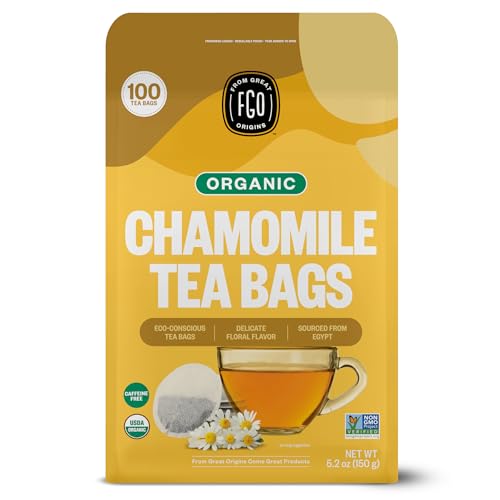
FGO Organic Chamomile Tea, 100 Count, Eco-Conscious Tea Bags, Resealable Bag, Packaging May Vary (Pack of 1)
Tastes Like: delicate, floral, and slightly earthy 100 ECO-CONSCIOUS TEA BAGS - Our premium tea bags are constructed of Abacá Hemp Fiber Paper. They are free of dyes, adhesive, glue and chlorine bleach. No staples, strings, bags or extra waste - just delicious
$21.99
Jetzt kaufenAls Amazon-Partner verdienen wir an qualifizierten Verkäufen. Preise und Verfügbarkeit können variieren.
So haben wir diese Tees bewertet
Wir haben jeden Tee anhand seiner Wirkstoffe, traditionellen Verwendung und verfügbaren Forschung für dieses spezifische Gesundheitsthema bewertet.
Schnellvergleich
| Rang | Tee | Bewertung | Wirkstoff | Caffeine | Best Time |
|---|---|---|---|---|---|
| 1 | Chamomile Tee | 9/10 | Apigenin | Caffeine-free | For maximum anxiety-relieving benefits, ... |
| 2 | Lavendeltee | 9/10 | Linalool | Caffeine-free | For maximum anxiety-relieving benefits, ... |
| 3 | Valerian Root Tea | 9/10 | Valerenic Acid | Caffeine-free | Steep 1-2 teaspoons of dried valerian ro... |
| 4 | Passionflower Tea | 9/10 | Chrysin | Caffeine-free | For maximum anxiety-relieving benefits, ... |
| 5 | Lemon Balm Tea | 8/10 | Rosmarinic Acid | Caffeine-free | For maximum anxiety-relieving benefits, ... |
| 6 | Ashwagandha Tea | 8/10 | Withanolides | Caffeine-free | Steep 1 teaspoon of ashwagandha root pow... |
Das könnte dich auch interessieren
Häufig gestellte Fragen
Ist Chamomile Tee gut für Angst?▼
Der beste Tee für Angst ist Chamomile Tee.
Wie viel Chamomile Tee sollte ich für Angst trinken?▼
Most studies suggest 1-3 cups of chamomile tea daily for anxiety management, with timing depending on your specific needs. For general anxiety relief, drink one cup mid-morning and another in early evening, while those with sleep-related anxiety may benefit most from a single cup 30-60 minutes before bedtime.
Wann sollte ich Chamomile Tee für Angst trinken?▼
Trinke Chamomile Tee 30 Minuten vor oder nach den Mahlzeiten für beste Aufnahme. Für Angst ist eine Tasse morgens und nachmittags ideal.
Gibt es Nebenwirkungen von Chamomile Tee bei Angst?▼
Individuals allergic to plants in the daisy family (ragweed, chrysanthemums, marigolds) should avoid chamomile tea as it may trigger allergic reactions. Pregnant women and those taking blood-thinning medications should consult healthcare providers before regular consumption.
Kann ich Chamomile Tee mit anderen Tees für Angst kombinieren?▼
Ja, du kannst Chamomile Tee mit anderen Tees für Angst kombinieren. Achte jedoch auf deine Gesamtkoffeinaufnahme und konsultiere einen Fachmann, falls du Medikamente einnimmst.