9 Greek Mountain Tea (Sideritis) Health Benefits
Greek mountain tea is one of those herbs that feels both humble and legendary. In Greece, it’s a go-to evening drink, especially in cooler months, and it’s often served as a simple, caffeine-free way to unwind.
What makes it interesting is that it’s not just “herbal comfort.” Sideritis species have been studied for their polyphenols and other plant compounds that may support everything from immunity to inflammation balance. This article breaks down what it is, what’s inside it, and why it has earned its reputation over generations (1).
What Is Greek Mountain Tea (Sideritis)?
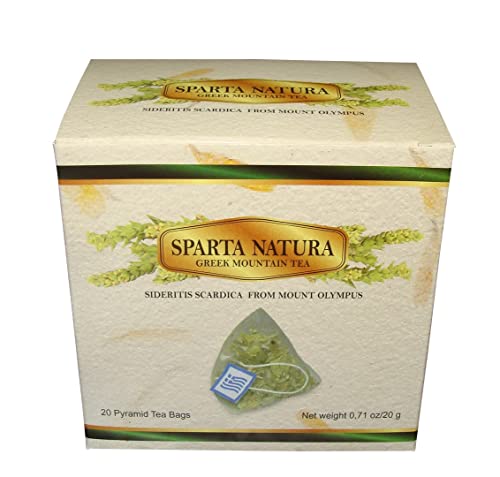
Greek mountain tea comes from plants in the Sideritis genus, commonly called ironwort. It’s traditionally made by steeping the dried stems, leaves, and flowers, often harvested from high-altitude, rocky regions across Greece and neighboring parts of the Balkans.
In the cup, it’s typically mild and pleasantly earthy, with soft herbal notes that some people describe as slightly minty or floral. Since it’s an herbal infusion rather than a true tea from Camellia sinensis, it’s naturally caffeine-free, which is one reason it’s popular later in the day (2).
Phytochemical Profile
Sideritis is valued because it contains a mix of antioxidant and aromatic compounds that vary by species, altitude, harvest time, and how it’s brewed. Research commonly highlights flavonoids, phenylpropanoid-type compounds, and volatile components that contribute to both function and flavor.
| Compound Group | Examples | Why It Matters |
|---|---|---|
| Polyphenols | flavonoids and phenolic acids | antioxidant support |
| Phenylpropanoids | verbascoside (and related glycosides) | inflammation-modulating potential |
| Essential oils | terpenes and other volatiles | aroma, calming sensory effect |
| Minerals | trace minerals (small amounts) | general nutritional support |
In practical terms, brewing method matters. A gentle simmer plus a short covered steep tends to pull more of the plant’s water-soluble polyphenols into the cup, while also keeping aromatic compounds from escaping too quickly (3).
Health Benefits of Greek Mountain Tea (Sideritis)
Greek mountain tea is loved for its mellow taste and gentle, caffeine-free comfort. Here are the first four benefits most often linked to its polyphenol-rich profile and traditional use.
1. Rich in Antioxidants
Greek mountain tea contains a range of polyphenols and related plant compounds that help the body manage oxidative stress. These antioxidants are part of why Sideritis infusions are studied as functional herbal drinks, especially when brewed as a short simmer plus covered steep.
Antioxidant activity can vary by species and brewing method, but studies on Sideritis preparations consistently report meaningful antioxidant potential in both infusions and decoctions (4).
2. Supports Immune Defense
Sideritis has a long tradition of being used to “strengthen the body,” and modern research has begun exploring how its polyphenols may interact with immune pathways. Some studies examine immunomodulating effects in vitro, suggesting certain compounds may help regulate inflammatory signaling and immune response balance.
This does not mean it prevents illness on its own, but it helps explain why many people reach for it during seasonal changes and recovery periods (5).
3. May Ease Inflammation
Several Sideritis species contain phenylpropanoid compounds such as verbascoside and flavonoids that are studied for anti-inflammatory potential. Research and reviews commonly highlight the genus for antioxidant and anti-inflammatory activity, which may be relevant for general wellness and recovery support.
In practical terms, this is one reason Greek mountain tea is often described as “soothing,” especially when taken as a warm infusion in the evening or after a heavy day (6).
4. Supports Respiratory Comfort
Greek mountain tea has a strong folk reputation for respiratory support, often used for cough, bronchitis, and throat or chest discomfort. This traditional use is noted in research discussing Sideritis species as mountain tea beverages in Balkan regions.
As a warm, steam-releasing drink, it can also feel physically comforting when the throat is dry or irritated, even though it is not a substitute for medical care in more serious infections (7).
5. May Support Healthy Digestion
Greek mountain tea is often taken after meals because it feels light and settling. Traditional use includes support for mild stomach discomfort, and research on Sideritis highlights compounds that may contribute to digestive ease through antioxidant and inflammation-modulating activity.
If your digestion is sensitive, a simple, unsweetened cup after dinner can be a gentle option that avoids caffeine and heavy additives (8).
6. May Promote Calm and Sleep Quality
Because it’s naturally caffeine-free, Greek mountain tea fits well into an evening routine. Many people find the aroma and warmth calming, which can support relaxation before bed, especially when stress is the main thing keeping the body “switched on.”
Some studies discuss Sideritis for its broader nervous-system-related potential, though the biggest practical benefit for sleep is that it offers a soothing ritual without caffeine stimulation (9).
7. May Support Brain Health and Memory
Greek mountain tea has attracted attention for possible cognitive benefits, including interest in how Sideritis extracts may influence pathways related to memory and brain aging. This is an active area of research, with some preclinical findings suggesting neuroprotective potential.
It’s not a replacement for proven brain-health habits like sleep, movement, and diet, but it’s one reason Sideritis is often described as a “smart” daily herbal infusion (10).
8. May Support Heart-Friendly Habits
Herbal teas can support heart-friendly routines when they replace sugary beverages. Sideritis adds another layer with polyphenols that are widely studied for vascular and oxidative-stress support, which matters for long-term cardiovascular health.
If you take it with minimal sweetener, it can be a simple daily swap that supports hydration and lowers added sugar intake, both meaningful for heart health patterns (11).
9. May Support Metabolic Balance
Some research explores how Sideritis compounds may influence metabolic markers through antioxidant and inflammation-related mechanisms. While human evidence is still developing, interest continues because oxidative stress and chronic low-grade inflammation are closely linked with metabolic imbalance.
As part of a broader routine that includes balanced meals and activity, Greek mountain tea can be a low-calorie, caffeine-free option that supports healthier daily habits (12).
How to Brew Greek Mountain Tea
What you need
- Dried Greek mountain tea (stems, leaves, flowers)
- Kettle or small pot
- Strainer
- Mug with a lid or small plate
Step-by-step
- Measure 1–2 teaspoons dried Sideritis per 250 ml water.
- Bring water to a gentle simmer.
- Add the herb and simmer 3–5 minutes.
- Turn off heat, cover, and steep 5 minutes.
- Strain and drink warm. Add lemon or a little honey if desired.
Covered steeping helps keep aromatic compounds from evaporating too quickly, while simmering improves extraction from the stems (13).
Side Effects and Safety
- Pregnancy and breastfeeding
There is limited safety data, so it’s best to avoid regular use unless your clinician approves. - Blood pressure medications
If you take blood pressure meds, start with small amounts and monitor how you feel, since some herbs can influence vascular tone. - Allergy risk
Reactions are uncommon, but stop if you notice itching, swelling, or throat tightness. - Iron and supplement timing
Like many herbal infusions, it may affect absorption for some nutrients. If you take iron supplements, separate by 1–2 hours. - Reasonable daily intake
For most adults, 1–3 cups per day is a sensible range. Avoid very high intake until more human data is available.
FAQs
Yes. Sideritis is an herbal infusion, not a true tea, so it naturally contains no caffeine.
Many people do. A practical range is 1–3 cups daily, and it’s best to keep it unsweetened or lightly sweetened.
It’s traditionally used for seasonal comfort and sore throats. It may feel soothing as a warm drink, but it does not replace medical care for serious symptoms.
Evening is popular because it’s caffeine-free. It also works well after meals if you want a light, settling herbal tea.
Chamomile is more directly associated with sleep support, while Greek mountain tea is often chosen for a broader “all-around” soothing and antioxidant profile.
Conclusion
Greek mountain tea (Sideritis) is a gentle, caffeine-free herbal infusion with a long Mediterranean tradition. Its polyphenols and aromatic compounds are linked to antioxidant support, calming routines, and everyday wellness habits.
It’s not a miracle cure, but as a daily or evening tea, it’s a smart, soothing choice. Brew it simply, keep sweetness minimal, and enjoy it as part of a broader routine that supports sleep, hydration, and balanced nutrition.