11 Hojicha Latte Health Benefits
A hojicha latte feels like comfort in a cup. It’s warm, toasty, and naturally mellow, which is why many people reach for it when coffee feels too intense.
What makes hojicha latte interesting from a wellness angle is that it starts with hojicha, a Japanese roasted green tea that’s typically lower in caffeine than many other teas. Roasting also gives it that nutty, caramel-like aroma that feels relaxing even before the first sip.
In this article, you’ll learn what hojicha latte is, what’s inside it nutritionally, and why it can be a smart option when you want a cozy drink without the heavy caffeine hit (1).
What Is Hojicha Latte?
Hojicha is a Japanese green tea that’s roasted at high heat, which changes both its flavor and its chemistry. Instead of tasting grassy or vegetal, it becomes toasty, smooth, and slightly sweet.
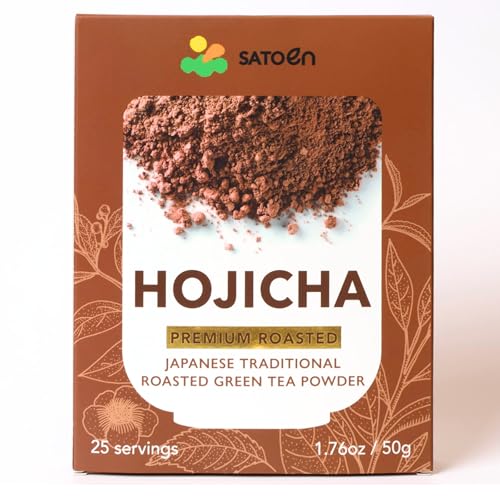
A hojicha latte combines hojicha with milk or a plant-based alternative. Some versions use brewed hojicha, while others use hojicha powder whisked with water, similar to how matcha is prepared, then topped with steamed milk.
Compared with a matcha latte, hojicha latte is usually less bitter and often lower in caffeine, making it popular for late afternoons and evenings. The exact caffeine level depends on the tea amount, whether powder is used, and how strong the brew is (2).
Nutritional and Phytochemical Profile
A hojicha latte’s nutrition depends on three main choices:
- how much hojicha you use, 2) which milk you choose, and 3) whether you sweeten it.
Hojicha contributes polyphenols and small amounts of caffeine and L-theanine. Milk adds protein, calcium, and fat, which can make the drink more filling and smoother on the stomach. Sweeteners can quickly raise calories, so the “health” version is usually lightly sweetened or unsweetened.
| Component | Typical Range (per 8–12 oz) | Why It Matters |
|---|---|---|
| Caffeine | Low to moderate | Gentle alertness, fewer jitters for many people |
| L-theanine | Present | Calm focus and smoother energy |
| Tea polyphenols | Present | Antioxidant support |
| Protein (dairy or soy) | Moderate | Satiety and muscle support |
| Calcium (dairy or fortified plant milk) | Moderate to high | Bone and nerve function support |
| Added sugar (if sweetened) | Variable | Impacts calories and blood sugar |
Tea polyphenols, including catechins, are studied for their antioxidant and metabolic effects, though roasting can shift the exact profile compared with unroasted green tea. The latte format also changes absorption and experience because milk can soften bitterness and slow digestion, which may make the drink feel gentler overall (3).
Health Benefits of Hojicha Latte
Hojicha latte offers a calm, cozy way to get tea benefits without the intensity of stronger caffeinated drinks. The exact effects depend on your recipe, especially how much hojicha and sweetener you use.
1. Lower Caffeine, Gentler Daily Energy
Hojicha is typically lower in caffeine than matcha or many black teas because it’s often made from more mature leaves and is roasted. For many people, that means a steadier lift without the sharp “wired” feeling coffee can bring.
If you’re trying to reduce afternoon caffeine but still want something warm and satisfying, hojicha latte can fit nicely. It delivers a mild boost while keeping stimulation more manageable for caffeine-sensitive drinkers (4).
2. Supports Calm Focus with L-theanine
Like other true teas, hojicha contains L-theanine, an amino acid known for promoting relaxed alertness. In practice, this can feel like clearer focus with less mental tension.
When paired with a small amount of caffeine, L-theanine may help smooth out the experience. That combination is one reason tea-based drinks often feel more balanced than coffee for concentration and mood (5).
3. Antioxidant Support from Tea Polyphenols
Hojicha still contains tea polyphenols, including catechins and related compounds, though roasting can shift the exact antioxidant profile. These compounds help neutralize oxidative stress, which plays a role in aging and inflammation.
A hojicha latte won’t be an antioxidant “megadose,” but as a daily habit, it can contribute to your overall intake. Choosing unsweetened or lightly sweetened versions keeps the benefit-to-calorie ratio more favorable (6).
4. May Feel Gentler on the Stomach Than Coffee
Many people find hojicha easier to tolerate than coffee, especially in latte form. The lower caffeine level can reduce stomach stimulation, and milk or a creamy plant milk can soften acidity and harshness.
If you’re prone to nausea, shakiness, or stomach discomfort from stronger drinks, hojicha latte can be a smoother alternative. It’s still wise to observe your own response, especially if dairy triggers bloating for you (7).
5. A Soothing Evening Drink When Made Lightly Sweetened
Because hojicha is generally lower in caffeine, it’s often easier to enjoy later in the day than most caffeinated teas. The roasted aroma also tends to feel naturally calming, which makes it a popular wind-down drink.
If sleep is a concern, keep it unsweetened or lightly sweetened, and choose a smaller serving. Caffeine can still affect sensitive sleepers, but hojicha latte is often a friendlier option than coffee or matcha at night (8).
6. Supports Digestive Comfort After Meals
Hojicha is often chosen after meals because it feels light and settling. The warmth of the drink can ease that “too full” sensation and encourage relaxed digestion, especially if you tend to feel bloated after dinner.
If you’re sensitive to stronger teas on an empty stomach, hojicha is usually a gentler option. Keeping it lightly sweetened helps avoid the sugar-related sluggishness that can follow dessert-style drinks (9).
7. Bone Support When Made with Calcium-Rich Milk
A hojicha latte made with dairy milk, or a fortified plant milk, can contribute meaningful calcium. Calcium supports bone strength, muscle contraction, and nerve signaling, which matters at every age and becomes especially important as bone density naturally declines.
If bone support is one of your goals, check that your plant milk is fortified. Some oat or almond milks vary widely in calcium and vitamin D content depending on the brand (10).
8. Satiety Support as a Warm, Protein-Containing Drink
Using dairy milk or soy milk adds protein, which helps you feel fuller and steadier between meals. That can be useful if you get snacky in the afternoon or want a more satisfying alternative to a sugary coffee drink.
A hojicha latte can also be a “bridge” drink when you’re hungry but not ready for a full meal. If you want it to truly satisfy, go easy on syrups and pair it with a small protein snack rather than extra sugar (11).
9. Supports Heart-Friendly Habits When Replacing Sugary Drinks
On its own, hojicha latte is not a heart-health treatment. But it can support heart-friendly habits when it replaces high-sugar beverages like flavored coffees, bottled milk teas, or dessert drinks that stack up calories quickly.
Choosing unsweetened hojicha with a modest amount of milk keeps added sugar low. That swap can make a meaningful difference over time, especially for people watching triglycerides or overall energy intake (12).
10. Oral-Friendly Option Compared with Sugary Coffee Drinks When Unsweetened
Most dental concerns with lattes come from sugar. Frequent sugary drinks can feed cavity-causing bacteria and increase plaque activity, especially when sipped slowly over long periods.
An unsweetened hojicha latte is generally a better choice than a syrup-heavy coffee drink. If you do sweeten it, keeping sweetness modest and rinsing with water afterward can help reduce sugar exposure on the teeth (13).
11. Mood Ritual Benefit: Warmth, Aroma, and Routine
Not every benefit is biochemical. Hojicha’s roasted aroma and the simple act of making a warm drink can become a calming ritual that signals “pause” in a busy day.
That kind of routine supports stress management indirectly by encouraging slower breathing, mindful sipping, and a short break from screens. If you want a more relaxing effect, drink it slowly, keep it lightly sweetened, and pair it with a quiet activity like reading (14).
How to Make a Hojicha Latte
Powder Method
- Sift 1–2 teaspoons hojicha powder into a mug.
- Add 2–3 tablespoons warm water (not boiling) and whisk until smooth.
- Warm 1 cup milk or plant milk until steaming, then froth if you like.
- Pour milk into the hojicha base and stir gently.
- Sweeten lightly if needed with honey or a small amount of maple syrup.
Brewed Method
- Heat water to 90–95°C (194–203°F).
- Steep 1–2 teaspoons hojicha leaves in 250 ml water for 1–2 minutes.
- Strain, then add ¾ cup warmed milk or plant milk.
- Sweeten lightly if desired, then sip warm.
Quick Tips
- For a stronger roasted flavor, increase hojicha, not steep time.
- For a lighter evening cup, use less hojicha and more milk.
- For iced hojicha latte, brew or whisk strong hojicha, cool, then pour over ice and add cold milk.
Side Effects and Safety
- Caffeine sensitivity
Hojicha is usually lower in caffeine than matcha or coffee, but it still contains some. If sleep is fragile, keep it earlier in the day or choose a smaller serving. - Added sugar can cancel the “health” advantage
Many cafe hojicha lattes are syrup-heavy. If you want benefits, keep sweeteners minimal and let the roasted flavor carry the drink. - Dairy intolerance or allergies
If dairy causes bloating or congestion for you, switch to oat, soy, or almond milk. Choose unsweetened versions to avoid hidden sugars. - Iron absorption timing
Like other teas, hojicha contains compounds that may reduce non-heme iron absorption if taken with meals. If iron is a concern, drink it between meals instead. - Calorie density
Whole milk, sweetened plant milks, and creamers can add up quickly. If weight management is a goal, keep portions moderate and avoid heavy add-ins.
FAQs
Yes, but usually less than coffee or matcha. The exact amount depends on how strong you make it and whether you use powder or brewed leaves.
Often, yes. Many people find it easier to tolerate in the evening because it’s typically lower caffeine, but sensitive sleepers should keep it light.
Hojicha is usually gentler because it tends to have less caffeine and a soothing roasted aroma. Matcha can feel stronger and more energizing.
Absolutely. Hojicha has natural roasted sweetness, so many people enjoy it unsweetened, especially with oat or dairy milk.
Oat milk pairs well with hojicha’s toasted notes. Dairy and soy create a creamier latte, while almond is lighter but less rich.
Conclusion
Hojicha latte offers a cozy way to enjoy tea benefits with a smoother, lower-caffeine profile than many popular drinks. When made with minimal sugar and a quality milk choice, it can support calm focus, digestive comfort, and a satisfying daily ritual.
The healthiest version is simple: hojicha, milk, and a light touch of sweetness if you need it. Keep portions reasonable, pay attention to caffeine timing, and let the roasted flavor do the work.