Moringa Tea Benefits: Side Effects and How to Brew
Moringa tea is an herbal infusion made from the dried leaves of the Moringa oleifera tree, a plant often referred to as the “miracle tree.” Native to South Asia but now grown widely across Africa, Latin America, and the tropics, moringa has been valued for centuries as both food and medicine. In recent years, its dried leaves have gained global popularity in tea form, promoted for their dense nutritional profile and wide range of possible health benefits.
Unlike caffeinated teas from the Camellia sinensis plant, moringa tea is naturally caffeine-free, making it a gentle option that can be enjoyed any time of day. It delivers antioxidants, vitamins, and minerals in a mild, earthy brew that many describe as similar to green tea but smoother and less bitter. This growing recognition has placed moringa tea alongside other “superfood” infusions that promise both tradition and modern wellness appeal (1).
What is Moringa Tea?
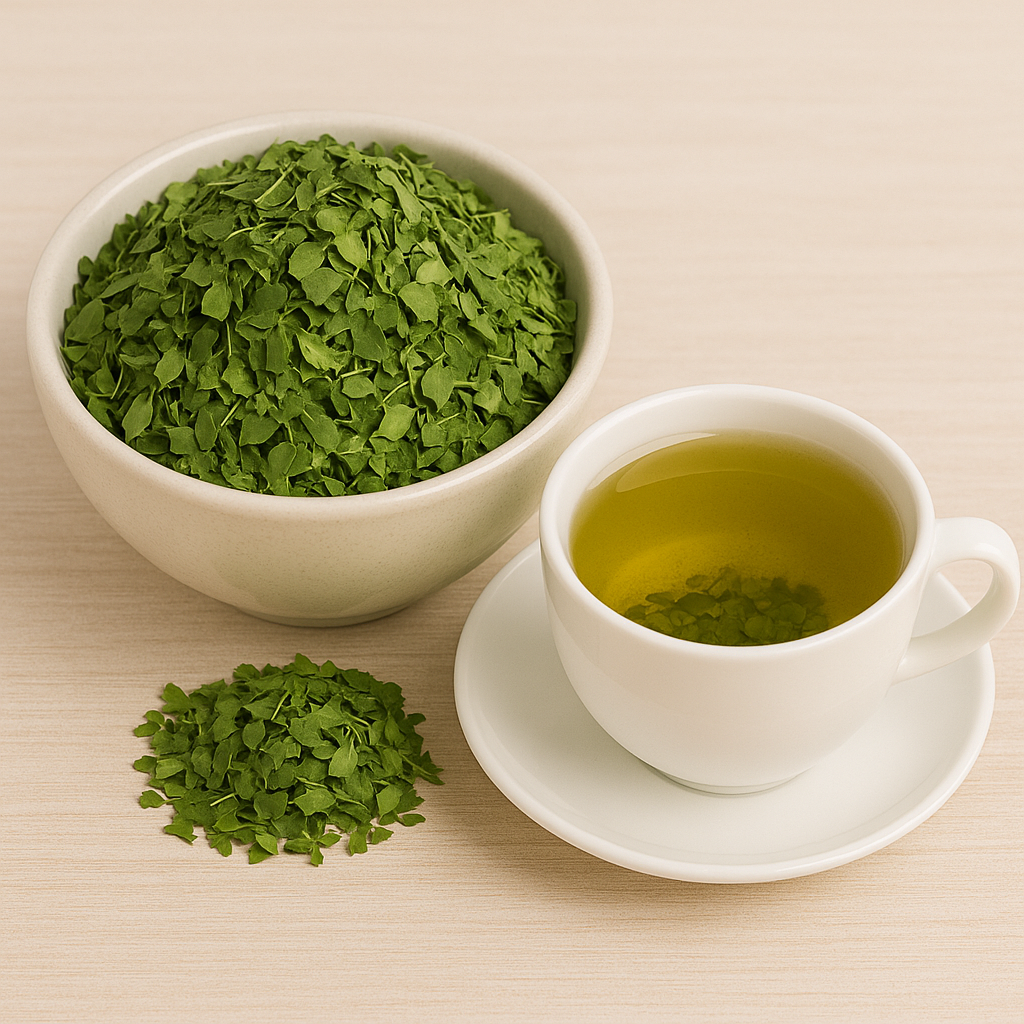
Moringa tea is made by drying and steeping the leaves of Moringa oleifera, a fast-growing, drought-resistant tree that thrives in warm climates. Every part of the tree—leaves, seeds, pods, and roots—has traditional uses, but the leaves are considered the most nutrient-rich. When brewed as tea, they release water-soluble compounds including polyphenols, flavonoids, and vitamins.
The tea can be prepared in several forms: whole dried leaves steeped in hot water, pre-packaged tea bags, or powdered moringa leaf whisked directly into drinks. Each method varies slightly in strength, but all deliver a concentrated burst of plant-based compounds without the calories or caffeine found in many other beverages. This versatility, along with its long history of use in traditional medicine, makes moringa tea a simple way to add extra nutrition into the diet.
Nutritional Profile of Moringa Tea
Moringa leaves are among the most nutrient-dense plant foods, and even when brewed into tea, they release a meaningful amount of vitamins, minerals, and protective plant compounds. While tea will not contain the full nutrient load of raw leaves, it does provide soluble antioxidants and phytonutrients that contribute to its health benefits.
The table below highlights some of the key compounds found in moringa tea:
| Nutrient/Compound | Role in the Body | Presence in Moringa Tea |
|---|---|---|
| Vitamin C | Immune support, antioxidant | Present in small amounts, reduced by heat |
| Vitamin A (as beta-carotene) | Eye health, skin, immunity | Water-extracted in trace amounts |
| Vitamin E | Protects cells from oxidative stress | Present in low concentrations |
| Calcium | Bone strength, nerve function | Released moderately into infusion |
| Potassium | Blood pressure regulation, fluid balance | Extracted in soluble form |
| Magnesium | Nerve and muscle health, energy production | Present in tea, though less than in whole leaves |
| Iron | Supports red blood cell formation | Small amounts soluble in infusion |
| Flavonoids (quercetin, kaempferol) | Antioxidant, anti-inflammatory activity | Found in notable amounts |
| Chlorogenic acid | Supports blood sugar regulation | Extracted into tea infusion |
| Polyphenols | General antioxidant properties | Abundant in brewed tea |
Because moringa tea is a water-based infusion, it is naturally very low in calories, free of caffeine, and provides gentle but meaningful amounts of antioxidants and minerals.
Now, let’s proceed with the benefits.
1. Rich in Antioxidants
Moringa tea is naturally abundant in antioxidants such as flavonoids, polyphenols, and vitamin C. These compounds help neutralize free radicals, unstable molecules that contribute to cellular damage, aging, and chronic illness. By lowering oxidative stress, moringa tea supports healthier tissues, improved resilience, and greater protection against everyday environmental stressors.
Research has shown that flavonoids like quercetin, commonly found in moringa leaves, may have both antioxidant and anti-inflammatory properties. Drinking moringa tea regularly can provide a gentle, plant-based way to protect cells from oxidative damage, much like other antioxidant-rich teas. Over time, this may support long-term wellness and help lower the risks linked to oxidative stress, such as skin aging, cardiovascular issues, and neurodegenerative conditions.
2. Supports Blood Sugar Regulation
One of the most recognized benefits of moringa is its potential to support balanced blood sugar levels. Compounds such as chlorogenic acid and quercetin may help regulate how the body processes glucose, reducing spikes after meals and improving insulin sensitivity. For people managing prediabetes or type 2 diabetes, moringa tea can be a supportive addition to other lifestyle strategies such as exercise and a balanced diet.
While moringa tea provides smaller doses of these compounds compared to concentrated extracts, consistent consumption may still play a meaningful role. Early studies suggest that moringa leaves can help moderate blood sugar responses, offering natural support for metabolic health. As part of a holistic wellness plan, moringa tea works gently to encourage steadier energy levels and healthier glucose control (2).
3. Enhances Heart Health
Moringa tea also contributes to cardiovascular wellness through its combination of minerals and antioxidants. Potassium and magnesium in the leaves help regulate blood pressure, while flavonoids and polyphenols protect blood vessels from oxidative stress. These combined effects may reduce the risk of arterial stiffness and promote healthier circulation.
Some studies further suggest that moringa leaves may help lower LDL cholesterol and triglycerides, two key markers of heart disease risk. By reducing oxidative stress and supporting vascular health, moringa tea can serve as a gentle, daily practice for promoting cardiovascular resilience. When paired with balanced nutrition and physical activity, it provides a simple, natural way to nurture long-term heart health.
4. Boosts Immune Function
Moringa tea provides a supportive mix of vitamins, minerals, and plant compounds that may help strengthen the immune system. Nutrients such as vitamin C and beta-carotene play vital roles in defending against infections by supporting white blood cell activity and overall immune readiness. Drinking moringa tea regularly ensures a steady intake of these compounds in a gentle, hydrating form.
In addition to vitamins, the flavonoids and polyphenols in moringa tea act as antioxidants that help the body respond to oxidative stress, which can weaken immune defenses. This means moringa tea not only nourishes the immune system directly but also provides protection at the cellular level. For individuals looking to support resilience during seasonal changes or periods of stress, moringa tea offers a practical, everyday option.
5. Anti-Inflammatory Properties
Chronic inflammation is associated with a wide range of health concerns, from joint discomfort to cardiovascular disease. Moringa tea contains quercetin and isothiocyanates, compounds shown to have anti-inflammatory effects. By moderating inflammatory pathways, these compounds may help ease mild inflammation and support greater comfort in daily life.
Drinking moringa tea does not replace medical treatment for inflammatory conditions, but it can provide a natural complement to a balanced lifestyle. By gently reducing oxidative stress and supporting normal inflammatory responses, moringa tea may contribute to overall wellness and help lower the risk of inflammation-related conditions over time (3).
6. Supports Brain Function
Moringa tea may also play a role in maintaining healthy cognitive function. The antioxidants in moringa protect brain tissue from oxidative damage, while compounds such as polyphenols and flavonoids have been studied for their potential neuroprotective properties. These effects may help support memory, attention, and overall mental clarity.
Animal and preliminary human studies suggest that moringa may improve neurotransmitter balance, which influences mood and brain signaling. While more research is needed, drinking moringa tea provides a natural way to deliver protective compounds that may benefit brain health. For those looking to enhance focus and protect long-term cognitive wellness, moringa tea can be a valuable addition to daily routines.
7. Aids Digestion
Moringa tea is naturally soothing to the digestive system and may help improve gut function. Its gentle compounds can encourage healthy enzyme activity and support smoother digestion, reducing occasional bloating or discomfort. Unlike harsh laxative teas, moringa works more subtly, making it suitable for regular consumption.
The tea also delivers antioxidants and mild anti-inflammatory agents that can help maintain a balanced gut environment. Some traditional uses of moringa include easing digestive upset and supporting liver function, both of which highlight its role in gastrointestinal health. As part of a daily wellness plan, moringa tea can be an effective way to nurture digestion while providing hydration and essential phytonutrients.
How to Brew Moringa Tea
Moringa tea can be made from dried whole leaves, tea bags, or powdered leaf. While each method offers slightly different flavor and strength, the basic process is simple and adaptable. Using quality, organically grown moringa leaves ensures a cleaner taste and reduces the risk of pesticide residues.
Brewing with dried leaves or tea bags
- Measure: Add 1–2 teaspoons of dried moringa leaves (or one tea bag) into a cup.
- Heat water: Bring 1 cup (240 ml) of water just to a boil.
- Steep: Pour the hot water over the leaves and let steep for 5–7 minutes.
- Strain and enjoy: Remove leaves or tea bag, then sip warm or cooled.
Brewing with moringa powder
- Measure: Use ½ teaspoon of moringa powder.
- Whisk or stir: Add it to hot water and whisk until dissolved.
- Flavor as desired: The powder can taste earthy, so adding lemon, ginger, or honey can balance the flavor.
Tips for best results:
- Steep longer for stronger flavor, but keep within 10 minutes to avoid bitterness.
- Combine moringa with herbs like mint or chamomile for added aroma.
- Chill brewed moringa tea in the refrigerator for a refreshing iced drink.
Because moringa tea is naturally caffeine-free, it can be enjoyed at any time of day, including evening. Drinking it regularly as part of a balanced routine helps ensure steady intake of its nutrients and phytonutrients without overstimulation.
Side Effects and Precautions
While moringa tea is safe for most people, it’s important to be mindful of potential side effects and who should use it cautiously.
1. Digestive upset
- Drinking large amounts may cause nausea, diarrhea, or stomach cramps.
- Start with small servings to see how your body reacts.
2. Blood sugar lowering
- Moringa may reduce blood sugar levels.
- People taking insulin or other diabetes medications should consult a doctor to avoid hypoglycemia.
3. Blood pressure effects
- Its compounds may help lower blood pressure.
- Those on antihypertensive drugs should use caution to prevent levels from dropping too low.
4. Thyroid concerns
- Some evidence suggests moringa may influence thyroid hormone activity.
- Anyone with thyroid conditions should seek medical advice before drinking it regularly.
5. Pregnancy and breastfeeding
- While the leaves are generally safe in food amounts, moringa bark and roots can stimulate uterine contractions.
- Pregnant and breastfeeding women should avoid moringa tea unless approved by a healthcare provider.
6. Quality issues
- Not all moringa products are equal.
- Always choose reputable, organic sources to avoid contaminants like pesticides or heavy metals.
FAQs
No. Moringa tea is naturally caffeine-free, making it a gentle option that can be consumed at any time of day without affecting sleep.
Yes, most people can drink moringa tea daily in moderation. A cup or two is generally considered safe, but it’s best to avoid excessive intake, especially if you are on medications that affect blood sugar or blood pressure.
Moringa tea has a mild, earthy flavor, often compared to green tea but less bitter. It can be enhanced with honey, lemon, ginger, or mint.
Both teas offer unique benefits. Green tea is rich in catechins, while moringa tea provides a broader range of vitamins and minerals. Many people choose to enjoy both as part of a varied tea routine.
While moringa leaves are nutritious, children should only consume moringa tea occasionally and in small amounts. Always consult a pediatrician before introducing it into their diet.
Conclusion
Moringa tea is more than just a trendy herbal drink. It delivers antioxidants, vitamins, minerals, and plant compounds that may support the heart, regulate blood sugar, strengthen immunity, and improve digestion. Its caffeine-free nature makes it suitable for any time of day, and it can be enjoyed hot or cold, plain or with added flavors like lemon or ginger.
However, it is important to approach moringa tea mindfully. Excessive consumption may lead to digestive discomfort or interact with certain medications. Pregnant or breastfeeding women, as well as people with underlying health conditions, should seek medical advice before making it a regular part of their diet.
With its nutrient-rich profile and gentle benefits, moringa tea can be a valuable addition to a balanced lifestyle. When enjoyed responsibly, it offers a simple, natural way to support overall health and well-being.


