Rose Bud Tea: Benefits, Side Effects, and All Flavor Profile
Herbal teas have long been celebrated for their blend of wellness and sensory appeal, and rose bud tea is one of the most fragrant examples. Made from the dried buds of the rose plant, this floral infusion is naturally caffeine-free, delicate in taste, and increasingly popular in modern wellness circles. Beyond its aromatic elegance, rose bud tea has been used in traditional medicine for centuries, often associated with calming the mind, easing digestion, and enhancing skin vitality.
What sets rose bud tea apart is that it offers both an enjoyable sensory experience and plant-based bioactive compounds that may contribute to health. The buds are rich in natural antioxidants, flavonoids, and aromatic oils, which not only provide its signature fragrance but also potential physiological effects. As more people seek alternatives to caffeinated beverages, rose bud tea has found a place in daily routines as a gentle option that pairs flavor with function (1).
What Is Rose Bud Tea?
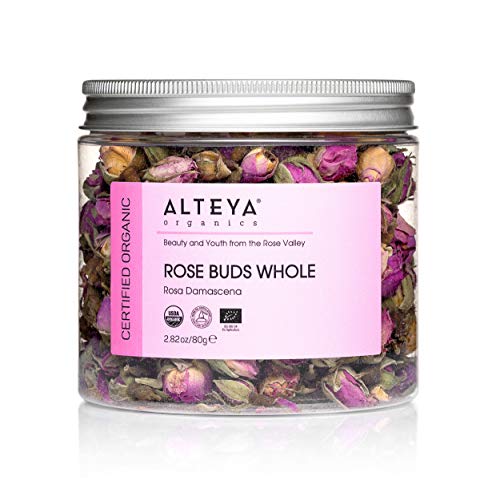
Rose bud tea is made by steeping dried flower buds or petals from species such as Rosa damascena, Rosa centifolia, or Rosa rugosa in hot water. These varieties are prized for their unique aroma and flavor, and the choice of species often influences the tea’s profile, ranging from lush and honeyed to bright and fruity. Unlike rose hip tea, which is brewed from the fruit of the rose plant and known for its high vitamin C content, rose bud tea focuses on the floral component, offering a gentler infusion.
The preparation is simple: whole buds or petals are dried after harvest, then brewed alone or blended with other teas like green, white, or chamomile for a layered taste. Rose bud tea differs from rose water, which is distilled and often used in culinary or cosmetic applications, by providing a straightforward infusion that captures both the fragrance and natural plant compounds. This makes it versatile for drinking hot, cold, or as part of creative beverage blends (2).
Got it — here’s a rewritten version of the Nutritional and Phytochemical Profile section with smoother flow plus a table to make it more reader-friendly.
Nutritional and Phytochemical Profile
Rose buds are not just visually striking; they are packed with a variety of compounds that may support health and wellness. The petals and buds naturally contain flavonoids, polyphenols, and essential oils such as geraniol, citronellol, and nerol. These compounds are linked to antioxidant, anti-inflammatory, and mild antimicrobial activity, which can help protect the body from oxidative stress and support immune resilience.
Though less concentrated than rose hips, rose buds also provide small amounts of vitamin C and trace minerals, making them a light yet beneficial addition to the diet.
When steeped, rose bud tea releases water-soluble antioxidants and volatile aromatic oils into the infusion. While this means it does not deliver the full nutrient load of raw buds, it still serves as a meaningful source of plant-based compounds that may contribute to overall health.
Key Compounds in Rose Buds
| Compound/Class | Examples | Potential Roles |
|---|---|---|
| Flavonoids | Quercetin, Kaempferol | Antioxidant activity, cellular protection |
| Polyphenols | Tannins, Phenolic acids | Anti-inflammatory, gut health support |
| Essential Oils | Geraniol, Citronellol, Nerol | Aroma, antimicrobial, calming effects |
| Vitamins | Vitamin C (small amount) | Immune support, skin health |
| Minerals (trace) | Calcium, Magnesium, Potassium | General body function, hydration balance |
Rose Bud Tea Flavor Profile
One of the most celebrated aspects of rose bud tea is its distinctive flavor and aroma. The infusion is often described as floral, slightly sweet, and reminiscent of fresh roses in bloom. Depending on the variety used, the taste may lean toward fruity notes with hints of apple, strawberry, or lychee, or toward spiced undertones that evoke clove and cinnamon.
The aroma plays a major role in the tea’s experience. Even before drinking, the steam carries the rose’s natural essential oils, creating a calming and uplifting sensory effect. Many tea drinkers also blend rose buds with other bases, such as green or oolong tea, to balance the floral notes with earthiness or mild bitterness. This adaptability makes rose bud tea a versatile option both for solo brewing and as part of complex blends (3).
And here are the benefits of Rose Bud Tea.
1. Rich in Antioxidants
Rose bud tea is naturally high in polyphenols and flavonoids, compounds that help neutralize free radicals in the body. These antioxidants may reduce oxidative stress, which is linked to cellular aging and chronic conditions. Drinking rose bud tea regularly provides a gentle infusion of these compounds without caffeine, making it suitable for long-term use.
The tea’s antioxidant profile is also linked to potential skin benefits. Free radical damage is one of the contributors to wrinkles and loss of skin elasticity. By supporting cellular protection, rose bud tea may help maintain skin health while offering a refreshing daily ritual.
2. Supports Digestion
Traditionally, rose bud tea has been used to soothe the stomach and encourage smoother digestion. Its mild natural compounds may help relax the gastrointestinal tract, reducing occasional discomfort like bloating or cramping. The gentle diuretic properties of the infusion also promote fluid balance and may assist in flushing out mild toxins through urine.
For those seeking a light alternative to heavier herbal remedies, rose bud tea provides a subtle way to support digestive comfort without strong laxative effects.
3. Calming and Stress Relief
One of the reasons rose bud tea has endured for centuries is its role in relaxation. The aroma alone can induce a sense of calm by stimulating the olfactory system, which is closely linked to mood regulation. When consumed, the mild infusion may help lower tension and promote better sleep quality.
This calming effect makes it popular as an evening tea, especially for those looking to unwind after a busy day. Some people also find it a helpful non-caffeinated option to accompany mindfulness practices like meditation or journaling (4).
4. May Support Skin Health
The antioxidants and natural oils in rose buds are often linked to healthier skin. Drinking rose bud tea may contribute to a clearer complexion by helping reduce oxidative stress that affects skin cells. Some traditions also suggest that rose infusions can help with mild inflammation, making them useful for soothing irritated or sensitive skin.
Beyond drinking, rose bud tea can also be cooled and applied topically as a gentle rinse, offering a natural alternative for calming skin and enhancing hydration.
5. Promotes Menstrual Comfort
Rose bud tea has been used in traditional medicine as a natural aid for women during menstruation. The floral compounds may help relax uterine muscles, reducing the severity of cramps and improving overall comfort. Its calming properties can also support mood balance, which is often affected during menstrual cycles.
For those who experience heavy bloating or fatigue during this time, rose bud tea provides a caffeine-free option that hydrates while offering soothing effects.
6. Supports Immune Function
Rose buds contain vitamin C, polyphenols, and antibacterial compounds that may contribute to immune health. While the infusion itself contains less vitamin C than rose hips, it still provides supportive antioxidants that strengthen the body’s natural defenses. Drinking rose bud tea regularly during seasonal changes can be a gentle way to boost resilience.
In traditional practices, rose tea is sometimes consumed at the onset of a cold or sore throat, with the floral infusion helping soothe irritation while hydrating the body (5).
7. Hydration and Detox Support
As a naturally caffeine-free herbal infusion, rose bud tea is an excellent choice for hydration. Its mild diuretic qualities may encourage gentle detoxification by helping the body flush out excess salts and fluids. Unlike caffeinated teas or coffee, which can sometimes contribute to dehydration, rose bud tea keeps the body replenished while offering subtle health-promoting compounds.
This makes it a great daily beverage for those looking to maintain hydration levels without stimulants.
8. May Support Heart Health
The flavonoids in rose buds are linked to cardiovascular benefits. By helping reduce oxidative stress and supporting circulation, rose bud tea may play a modest role in maintaining vascular function. Some studies on plant polyphenols suggest they can contribute to healthier cholesterol levels and reduced blood pressure, though more research specific to rose bud tea is needed.
As part of a heart-conscious diet, rose bud tea can serve as a light, enjoyable option that aligns with wellness goals.
9. Enhances Mood and Emotional Well-Being
Rose bud tea has long been associated with emotional balance. The aromatic oils released during steeping are believed to influence mood through the limbic system, often providing a gentle lift in spirits. Drinking the tea may help reduce feelings of fatigue, irritability, or mild sadness, making it a supportive companion during stressful days.
Its role in promoting calm and emotional comfort is one of the reasons it remains a staple in many traditional cultures, where it is served as both a social and therapeutic drink (6).
Side Effects and Safety
Rose bud tea is generally considered safe for most people, but like any herbal infusion, it should be enjoyed in moderation. Its natural essential oils, while beneficial, may cause mild allergic reactions in individuals who are sensitive to flowers in the Rosaceae family. Symptoms can include itching, skin irritation, or nasal congestion.
Because rose bud tea contains natural compounds with relaxing effects, some people may experience mild drowsiness if they consume large quantities. Pregnant or breastfeeding women should consult their healthcare provider before adding rose bud tea to their daily routine, as traditional herbal teas can sometimes influence hormonal balance.
Additionally, people on medications such as anticoagulants or blood pressure drugs should exercise caution. Plant polyphenols can interact with how the body absorbs or metabolizes certain medications, making professional guidance important for safe use (7).
How to Brew Rose Bud Tea
Brewing rose bud tea is a straightforward process, but small adjustments can elevate the flavor and maximize its healthful qualities. Unlike green or black tea, rose buds are delicate and do not require high temperatures or long steeping times.
Basic Method
- Measure 1–2 teaspoons of dried rose buds (about 3–5 whole buds) per cup of water.
- Heat water to about 90–95°C (194–203°F). Boiling water can damage the floral oils and produce bitterness.
- Pour the hot water over the buds and cover to preserve the aroma.
- Steep for 5–7 minutes, depending on desired strength.
- Strain and enjoy plain, or add a touch of honey for sweetness.
Cold Brew Variation
For a refreshing summer version, add 2 tablespoons of rose buds to a liter of cold water and refrigerate for 6–8 hours. The result is a subtle, fragrant tea with a lighter floral note.
Blending Ideas
Rose bud tea pairs beautifully with other teas and herbs:
- Combine with green tea for a floral-earthy balance.
- Mix with chamomile for an evening calming blend.
- Add to hibiscus for a tangy, rosy-red infusion.
These variations allow tea lovers to enjoy rose bud tea in multiple ways, making it a versatile and elegant addition to any tea collection.
Who Should Avoid Rose Bud Tea
While rose bud tea is safe for most people, there are groups who should take extra caution or avoid it altogether. Individuals with flower allergies, especially to roses or other members of the Rosaceae family such as apples, strawberries, or almonds, may react negatively to rose buds. These reactions can range from mild skin irritation to more pronounced respiratory symptoms.
Pregnant women should also exercise caution. Some traditional practices suggest rose teas may stimulate uterine activity, so it is always advisable to consult a healthcare provider before use. Similarly, breastfeeding mothers should be careful, as limited data exists on the transfer of rose tea compounds to infants.
Those on certain medications—particularly blood thinners, antihypertensives, or sedatives—should consult their doctor prior to consuming rose bud tea. The natural oils and flavonoids present in roses could alter drug absorption or enhance their effects in sensitive individuals (8).
Conclusion
Rose bud tea offers a rare blend of elegance, aroma, and wellness support. Beyond its delicate floral flavor, it provides polyphenols, antioxidants, and calming essential oils that can contribute to skin health, digestion, mood, and hydration. At the same time, it stands out as a naturally caffeine-free option, making it versatile enough for daily enjoyment.
While generally safe, awareness of possible side effects is important, particularly for those with allergies, specific health conditions, or who are pregnant. Still, for many, a cup of rose bud tea represents more than just a beverage—it is a calming ritual and a way to bring centuries of tradition into modern life.