
Rosemary Tea Benefits: Side Effects and How to Brew
Rosemary tea has gained popularity as both a soothing beverage and a natural wellness drink. Known for its fragrant aroma and slightly pine-like flavor, this herbal infusion is made from the leaves of the rosemary plant (Rosmarinus officinalis), a staple in Mediterranean cuisine and folk medicine for centuries. Unlike green or black tea, rosemary tea is caffeine-free, making it suitable for any time of the day.
Traditionally, rosemary has been used to support memory, digestion, and circulation. Modern research suggests that its bioactive compounds, particularly rosmarinic acid and carnosic acid, may provide antioxidant, anti-inflammatory, and neuroprotective effects. This blend of tradition and science has made rosemary tea increasingly popular among those seeking both flavor and function in their daily cup (1).


What is Rosemary Tea?
Rosemary tea is a herbal infusion created by steeping fresh or dried rosemary leaves in hot water. Unlike teas derived from the Camellia sinensis plant, such as green or black tea, rosemary tea contains no caffeine. Its taste is often described as earthy, slightly minty, and pine-like, with a warming aroma that complements both savory and sweet pairings.
The tea has deep cultural roots in Mediterranean traditions, where rosemary itself was regarded as a symbol of remembrance and healing. Today, rosemary tea is enjoyed worldwide not just for its pleasant flavor but also for its potential to support wellness. Its naturally occurring antioxidants, volatile oils, and micronutrients contribute to both its therapeutic uses and its growing reputation as a functional herbal drink.
Nutritional & Phytochemical Profile
Rosemary tea is more than just a fragrant herbal drink — it contains a variety of bioactive compounds that may contribute to health. The primary beneficial elements come from its essential oils, polyphenols, and antioxidants, which are released when the leaves are steeped in hot water. While not a major source of macronutrients, rosemary tea delivers plant compounds in meaningful amounts that support its traditional and modern use.
Key compounds include rosmarinic acid and carnosic acid, both powerful antioxidants that help neutralize free radicals. Essential oils such as camphor, cineole, and borneol contribute antimicrobial and aromatic qualities. Rosemary also provides trace vitamins and minerals, such as small amounts of vitamin C, vitamin A, calcium, magnesium, potassium, and iron.
Here’s a simplified table summarizing its composition:
| Component | Role in the Body |
|---|---|
| Rosmarinic acid | Antioxidant, anti-inflammatory support |
| Carnosic acid | Neuroprotective and antioxidant effects |
| Camphor & cineole | Essential oils with antimicrobial properties |
| Flavonoids | Support circulation and reduce oxidative stress |
| Vitamin C & A (trace) | Immunity and skin health |
| Calcium & Magnesium | Bone and muscle support |
| Potassium & Iron | Electrolyte balance, oxygen transport |
Because rosemary tea is made as an infusion, it delivers water-soluble compounds such as antioxidants and volatile oils rather than large quantities of fiber or vitamins. This makes it a light but beneficial addition to a wellness routine.
Health Benefits of Rosemary Tea
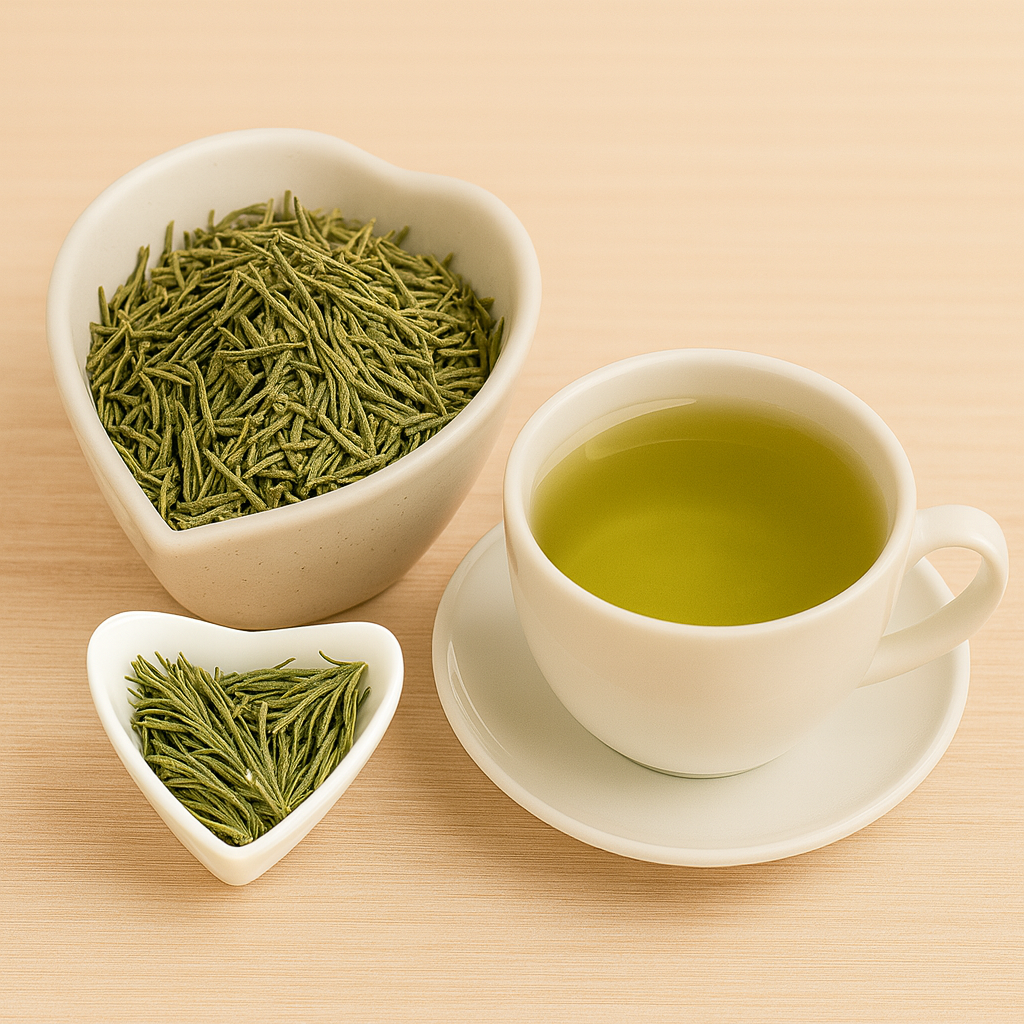
Rosemary tea has long been valued in traditional medicine, and modern studies support many of its therapeutic properties. Its health effects are largely attributed to its rich supply of polyphenols, essential oils, and antioxidants that work together to support various systems of the body. Below are some of the most notable benefits.
1. Rich in Antioxidants
Rosemary tea is packed with antioxidants such as rosmarinic acid, carnosic acid, and flavonoids. These compounds help neutralize free radicals — unstable molecules that contribute to cellular damage, premature aging, and chronic diseases. By reducing oxidative stress, rosemary tea may help protect the brain, heart, and skin from long-term damage.
Studies have shown that the antioxidants in rosemary can also support overall resilience by reducing inflammation and improving circulation. Drinking rosemary tea regularly may therefore provide gentle, ongoing protection for the body’s tissues and organs.
2. Supports Digestion
Rosemary has traditionally been used to ease digestive complaints such as bloating, indigestion, and cramping. The essential oils in rosemary tea, particularly cineole and borneol, have mild carminative properties, which means they help relax the digestive tract and reduce gas formation.
In addition, rosemary tea may stimulate the production of bile, which supports the breakdown of fats and improves overall digestive efficiency. This makes it especially useful after a heavy meal. For people who struggle with slow digestion or mild discomfort after eating, a cup of rosemary tea can be both soothing and beneficial.
3. Boosts Cognitive Function & Memory
Rosemary has a long history of association with memory and concentration, and modern science provides some support for these traditional claims. Compounds such as rosmarinic acid and carnosic acid may improve circulation in the brain, reduce oxidative stress, and protect neurons from damage. Some studies suggest that rosemary aroma alone can enhance memory and alertness, which explains its use in aromatherapy as well.
Drinking rosemary tea may provide similar benefits by delivering these compounds through infusion. While it is not a replacement for medical treatment, regular consumption could support mental clarity, focus, and healthy cognitive aging.
4. Anti-Inflammatory Properties
Chronic inflammation is linked to conditions such as arthritis, heart disease, and metabolic disorders. Rosemary tea provides natural anti-inflammatory compounds, particularly rosmarinic acid, which has been shown to inhibit pathways that trigger inflammation in the body. This makes rosemary tea a gentle, plant-based way to support inflammatory balance.
The calming properties of rosemary tea may also help reduce minor discomforts like sore muscles or headaches related to inflammation. Over time, its anti-inflammatory potential could contribute to overall resilience and well-being (2).
5. May Regulate Blood Sugar
Rosemary tea has shown potential in supporting blood sugar balance, making it a helpful beverage for individuals concerned about metabolic health. Certain compounds in rosemary, including carnosic acid and rosmarinic acid, appear to enhance insulin sensitivity and improve glucose uptake in cells. This may help reduce post-meal blood sugar spikes and promote more stable energy levels throughout the day.
While more research is needed in humans, preliminary studies suggest that incorporating rosemary tea alongside a balanced diet could support better glycemic control. For people at risk of type 2 diabetes, it may serve as a safe, natural complement to other lifestyle measures.
6. Supports Heart Health
The antioxidant and anti-inflammatory compounds in rosemary tea also contribute to cardiovascular wellness. By reducing oxidative stress, these compounds help protect blood vessels from damage, while carnosic acid may support healthy cholesterol levels. Additionally, rosemary’s natural ability to relax blood vessels could improve circulation and promote healthier blood pressure.
Although rosemary tea should not be considered a substitute for prescribed heart medications, it may act as a supportive beverage for maintaining overall cardiovascular balance. Drinking it regularly could play a small but meaningful role in long-term heart health (3).
7. Antimicrobial and Immune Support
Rosemary tea contains essential oils such as cineole, camphor, and borneol that have natural antimicrobial properties. These compounds can help the body defend against harmful bacteria and fungi, supporting both digestive and immune health. In traditional medicine, rosemary was often used as a cleansing herb to promote resilience during seasonal illnesses.
In addition to its antimicrobial potential, rosemary tea’s antioxidants provide immune-supportive benefits by reducing oxidative stress and inflammation. This dual effect helps the immune system stay balanced and better equipped to respond to challenges. Drinking rosemary tea regularly may therefore provide gentle, ongoing support for overall immunity.
Side Effects and Risks
While rosemary tea is safe for most people when consumed in moderation, overconsumption or certain health conditions can make it risky. Here are the main side effects to be aware of:
- Allergic Reactions – Some individuals may experience skin irritation, itching, or breathing difficulties after consuming rosemary products.
- Stomach Upset – Drinking large amounts may cause nausea, vomiting, or cramps due to its potent essential oils.
- Seizure Risk – Excessive intake of camphor, one of rosemary’s natural oils, has been linked to seizures in sensitive individuals.
- Pregnancy Concerns – Rosemary tea is not recommended for pregnant women, as it may stimulate uterine contractions and increase the risk of miscarriage.
- Medication Interactions – Rosemary may interfere with anticoagulants, blood pressure medications, and diabetes drugs, potentially reducing their effectiveness or enhancing side effects.
- Overconsumption Risks – Drinking very high amounts over time may place unnecessary stress on the liver or kidneys due to concentrated compounds.
How to Brew Rosemary Tea
Brewing rosemary tea is simple and can be done with either fresh or dried leaves. The preparation method slightly affects the flavor: fresh leaves give a more vibrant, pine-like taste, while dried leaves offer a deeper, earthier infusion.
Ingredients:
- 1 teaspoon dried rosemary leaves (or 2 teaspoons fresh leaves)
- 1 cup (8 oz) of hot water
- Optional: honey, lemon, or mint for added flavor
Instructions:
- Boil the water – Heat fresh, filtered water to a rolling boil (about 200°F / 93°C).
- Add rosemary – Place the rosemary leaves in a teapot or cup.
- Steep – Pour the hot water over the leaves and cover. Steep for 5–7 minutes, depending on your taste preference.
- Strain and serve – Remove the leaves and pour into a cup.
- Enhance the flavor – Add a slice of lemon for brightness, a spoonful of honey for sweetness, or a sprig of mint for extra freshness.
Pro Tip:
For a stronger infusion, use a mix of fresh and dried rosemary, or extend the steeping time slightly. Just avoid over-steeping, as it may bring out bitterness.
Who Should Avoid Rosemary Tea?
Although rosemary tea is safe for many people, certain groups should be cautious or avoid it altogether:
- Pregnant Women – Rosemary tea may stimulate uterine contractions, which could increase the risk of miscarriage or complications.
- Breastfeeding Mothers – Limited research exists on rosemary tea’s safety during breastfeeding, so it is best avoided.
- People with Epilepsy – High amounts of camphor in rosemary may trigger seizures in sensitive individuals.
- Those on Blood Thinners – Rosemary contains vitamin K and natural compounds that may interfere with anticoagulant medications.
- Individuals with High Blood Pressure or Diabetes – Rosemary tea may alter blood sugar and blood pressure, especially in people taking related medications.
- Allergy-Prone Individuals – People allergic to rosemary or related plants in the mint family (such as sage, basil, or oregano) should avoid rosemary tea to prevent reactions.
FAQs
Yes, in moderation. One to two cups daily is generally safe for healthy adults, but it should not be overconsumed due to its strong essential oils.
Rosemary tea is not a weight-loss solution, but its compounds may support digestion and metabolism, indirectly aiding weight management when combined with a healthy lifestyle.
It has an earthy, slightly pine-like flavor with hints of mint and lemon. Some find it warming and refreshing at the same time.
Rosemary extracts are commonly used in hair oils and rinses to stimulate growth. While drinking rosemary tea may provide supportive nutrients, direct application to the scalp shows stronger evidence.
Yes, it is naturally caffeine-free, making it suitable for evening consumption.
Conclusion
Rosemary tea is a fragrant, caffeine-free herbal infusion that combines tradition with modern wellness benefits. Rich in antioxidants and essential oils, it supports digestion, brain function, inflammation balance, and heart health, while also providing antimicrobial and immune support.
However, it is not without risks. Pregnant and breastfeeding women, individuals with epilepsy, and those taking certain medications should avoid or limit rosemary tea. Moderation remains key — one or two cups a day can provide health benefits without overloading the body with concentrated compounds.
Whether enjoyed for its flavor or its health-promoting properties, rosemary tea offers a simple, natural way to enhance daily wellness.