Serene Soursop Bitters: Benefits, Uses, and Caution
Have you seen Serene Soursop Bitters promoted on social media or displayed in health food stores? This herbal tonic has gained popularity among those seeking natural remedies for digestive support, immune health, and overall wellness. With bold marketing claims and enthusiastic customer testimonials, it’s tempting to believe this product might be the answer to various health concerns.
However, before adding any herbal supplement to your routine, you need the complete picture—not just the promises, but also the potential risks. This article examines what Serene Soursop Bitters actually contains, what the science says about its claimed benefits, and crucial safety information that could affect your decision. Please note that this information is educational only and should not replace advice from your healthcare provider.
What Is Serene Soursop Bitters?
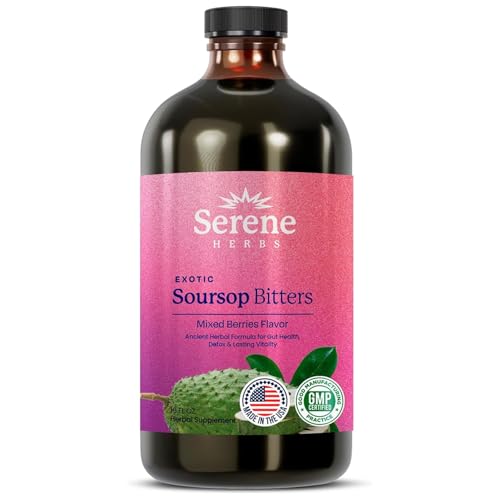
Serene Soursop Bitters is a liquid herbal supplement manufactured by Serene Herbs, marketed primarily for digestive wellness, immune support, and energy enhancement. The product comes in a 16-ounce bottle and features a mixed berry flavor designed to make the naturally bitter formula more palatable. According to the manufacturer, users should take one tablespoon twice daily, preferably after meals.
What sets this product apart from simply eating soursop fruit is its concentrated formula. While the tropical soursop fruit offers natural sugars and fiber, the bitters extract concentrates compounds from the leaves, bark, and other plant parts. This concentration means you’re getting a more potent dose of the plant’s active compounds—both the potentially beneficial ones and those that warrant caution.
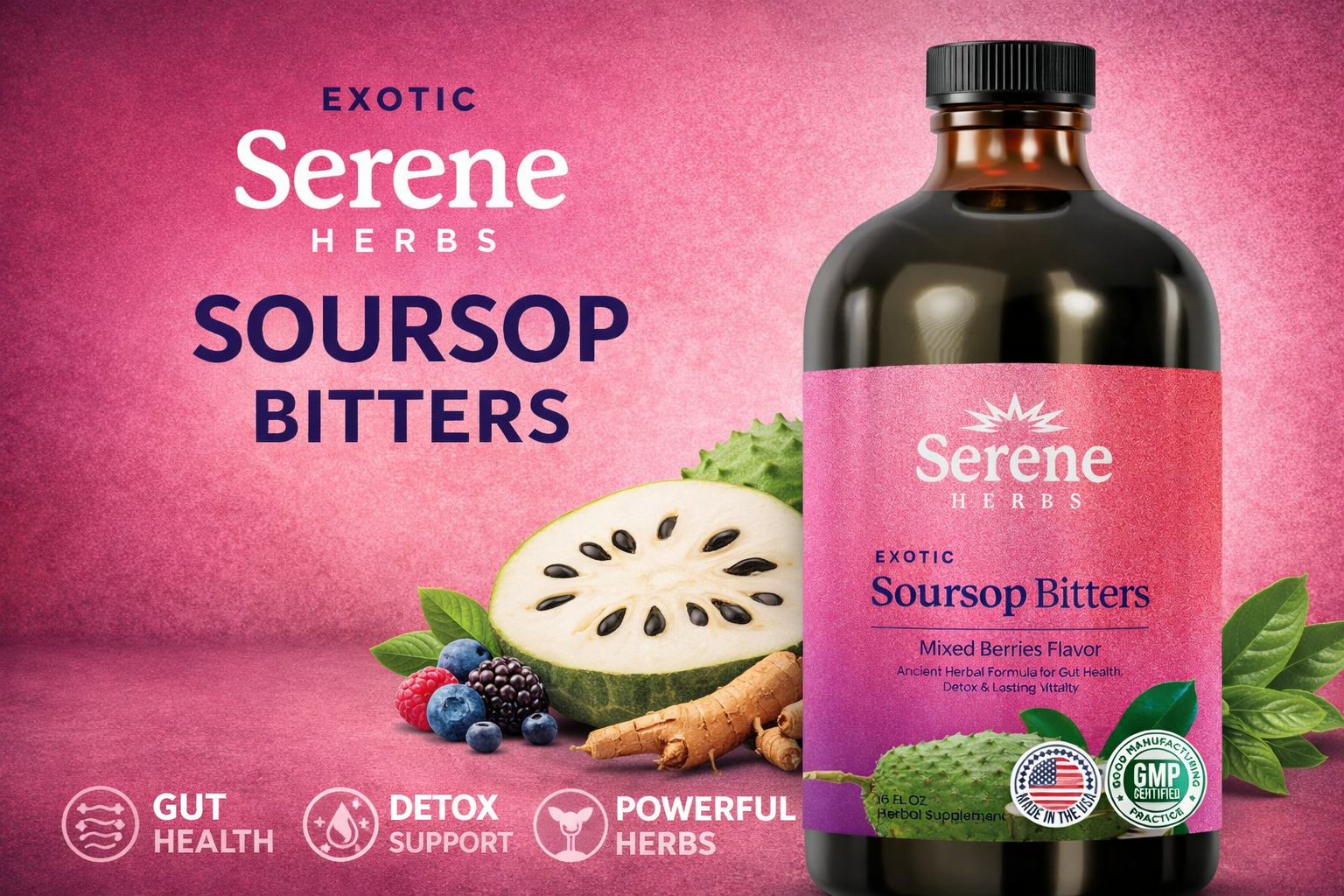
The manufacturer promotes a 15-herb blend that includes soursop leaf extract as the primary ingredient, along with black seed, moringa, Irish sea moss, ginger, turmeric, ashwagandha, bay leaf, neem, senna, cinnamon, hibiscus, lemon fruit, garlic, and epimedium (horny goat weed). The product is marketed as vegan, non-GMO, and manufactured in a GMP-certified facility.
Understanding Soursop: The Star Ingredient
Soursop, scientifically known as Annona muricata, goes by many names across different cultures—graviola in Brazil, guanabana in Spanish-speaking countries, and corossol in the Caribbean. This tropical fruit tree is native to Central and South America but now grows throughout tropical regions worldwide, including parts of Africa, Southeast Asia, and the Caribbean islands.
Traditional healers across these regions have used various parts of the soursop plant for generations. Folk medicine applications have included treating parasitic infections, reducing fever, calming nerves, addressing digestive complaints, and managing skin conditions. The leaves are commonly brewed into teas, while the creamy, sweet-tart fruit is eaten fresh or used in beverages and desserts.
From a chemical standpoint, soursop contains several noteworthy compound groups. The most researched are annonaceous acetogenins, particularly annonacin, which are fatty acid derivatives unique to the Annonaceae plant family. The plant also contains various alkaloids, phenolic compounds, and flavonoids. These acetogenins have attracted significant scientific interest for their potent biological activity—though as we’ll explore later, this potency cuts both ways.
Claimed Benefits: What Does the Science Say?
1. Digestive Support
The digestive benefits of Serene Soursop Bitters represent perhaps the most traditional use of bitter herbal preparations. Bitter compounds have been used across cultures to stimulate digestive secretions and promote gut motility. The theory holds that bitter taste receptors on the tongue trigger a cascade of digestive responses, including increased saliva, gastric acid, and bile production.
The formula includes several ingredients traditionally associated with digestive health. Senna is a well-established natural laxative that promotes bowel movements, while ginger has moderate research support for reducing nausea and supporting digestion. Bay leaves and turmeric have traditional uses for reducing bloating and inflammation in the digestive tract.
However, it’s important to distinguish between traditional use and clinical proof. While individual users may report reduced bloating or improved regularity, no clinical trials have evaluated Serene Soursop Bitters specifically for digestive outcomes. The digestive benefits remain plausible based on the ingredients but unproven for this particular formulation.
Evidence Level: Limited
2. Immune System Support
Soursop contains antioxidant compounds including vitamin C, flavonoids, and phenolic acids. Laboratory studies have demonstrated that soursop extracts possess antimicrobial properties against certain bacteria and fungi in test tube conditions. The formula also includes other immune-associated ingredients like moringa, black seed, and Irish sea moss.
That said, laboratory antimicrobial activity doesn’t automatically translate to immune benefits in humans. Your body’s immune system is extraordinarily complex, and claims that any supplement “boosts” immunity should be viewed skeptically. The antioxidant content may support general cellular health, but evidence for meaningful immune enhancement from this product remains very limited.
Evidence Level: Very Limited
3. Blood Sugar Management
Animal studies have shown interesting results regarding soursop and blood glucose regulation. Research on diabetic rats found that soursop extract reduced fasting blood glucose levels and improved insulin sensitivity over a 28-day period. These findings have generated interest in soursop’s potential role in diabetes management.
However, animal studies don’t always predict human outcomes, and no human clinical trials have established soursop bitters as an effective blood sugar management tool. More concerning, if soursop does affect blood glucose, this creates potential interaction risks with diabetes medications—a topic we’ll address in the cautions section.
Evidence Level: Very Limited
4. Energy and Vitality
The manufacturer claims the product provides a natural energy boost without crashes. This claim likely relates to the formula’s adaptogenic ingredients like ashwagandha, which has some research support for reducing fatigue and improving stress resilience. The inclusion of iron-rich sea moss and nutrient-dense moringa may also contribute to this effect.
While some users report feeling more energetic, this remains largely anecdotal. The placebo effect is powerful, and improved energy could result from better digestion, hydration from taking the liquid supplement, or simply the psychological boost of taking action for one’s health.
Evidence Level: Very Limited
5. Anti-Inflammatory Properties
Several ingredients in the formula possess documented anti-inflammatory compounds. Turmeric contains curcumin, which has moderate research support for reducing inflammation markers. Soursop itself contains flavonoids and other phenolic compounds with antioxidant and anti-inflammatory properties demonstrated in laboratory settings.
Laboratory findings on isolated compounds, however, don’t confirm that consuming this herbal blend will meaningfully reduce inflammation in humans. The bioavailability of these compounds (how much actually gets absorbed and utilized by your body) varies significantly depending on the extraction method, dosage, and individual factors.
Evidence Level: Very Limited
How to Use Serene Soursop Bitters
According to the manufacturer, the recommended dosage is one tablespoon (approximately 15 mL) taken twice daily after meals. The product can be consumed directly or mixed with juice or another beverage to help mask the bitter taste. The mixed berry flavoring is intended to make direct consumption more tolerable.
Some herbalists suggest cycling herbal supplements rather than taking them continuously—for example, three weeks on followed by one week off. This approach aims to prevent the body from becoming too accustomed to the herbs and potentially reduces the risk of cumulative effects. However, the manufacturer doesn’t specify whether cycling is recommended for this product.
If you choose to try this supplement despite the cautions outlined below, starting with a smaller dose (half a tablespoon) to assess your tolerance would be prudent. Keep track of any changes you notice, both positive and negative, and discontinue use if you experience adverse effects.
Important Cautions and Safety Concerns
This section requires your careful attention. While herbal supplements are often perceived as inherently safe because they’re “natural,” soursop products carry specific risks that have been documented in scientific literature.
Neurotoxicity: A Serious Concern
The most significant safety concern with soursop products involves potential neurotoxicity. Soursop contains annonacin and other acetogenins that have been linked to neurodegenerative conditions, particularly atypical parkinsonism, in epidemiological studies.
Research conducted in the Caribbean island of Guadeloupe found an unusually high rate of atypical parkinsonism—a movement disorder similar to Parkinson’s disease but not responsive to standard treatments. Scientists identified a correlation between this condition and regular consumption of Annonaceae family plants, including soursop. Studies found that even relatively low cumulative consumption of soursop products increased the risk of developing severe neurological symptoms.
Laboratory research has clarified the mechanism: annonacin is a potent inhibitor of mitochondrial complex I, disrupting cellular energy production. At nanomolar concentrations, this compound causes death of dopaminergic neurons—the same neurons affected in Parkinson’s disease. Animal studies have confirmed that chronic soursop consumption can trigger tau protein abnormalities and neurodegeneration in the brain.
This isn’t a theoretical concern. Multiple peer-reviewed studies have documented the connection, and researchers have called for increased public awareness about soursop neurotoxicity. The concentrated nature of bitters extracts may amplify this risk compared to occasional fruit consumption.
Liver and Kidney Considerations
Some evidence suggests soursop products may affect liver and kidney function, particularly with long-term or high-dose use. High-dose animal studies have shown liver cell changes including necrosis at elevated dosages, attributed to acetogenins inhibiting mitochondrial function in liver cells.
The picture is mixed—some studies show soursop extracts don’t significantly alter liver enzyme markers, while others raise concerns. Medical sources generally advise that people with existing liver or kidney disease avoid soursop supplements due to potential hepatotoxicity and nephrotoxicity with chronic use.
Drug Interactions
Serene Soursop Bitters may interact with several medication categories:
Blood Pressure Medications: Soursop has demonstrated blood pressure-lowering effects in some studies. Combined with antihypertensive drugs, this could cause dangerous drops in blood pressure, leading to dizziness, fainting, or other complications.
Diabetes Medications: Given soursop’s potential blood sugar-lowering effects, combining it with diabetes drugs like metformin or glibenclamide could cause hypoglycemia (dangerously low blood sugar).
Antidepressants and Sedatives: Soursop has traditional uses as a sedative and may affect neurotransmitter systems. The combination with antidepressant medications could potentially alter drug effects or cause excessive sedation.
Anticoagulants: Some sources indicate soursop may affect bleeding time, which could be problematic for those taking blood thinners like warfarin.
Who Should Avoid This Product
Based on the available evidence, the following groups should not use Serene Soursop Bitters:
Pregnant and breastfeeding women should avoid this product, as soursop has been associated with uterine contractions and insufficient safety data exists for these populations. People with Parkinson’s disease or other movement disorders face elevated risk due to the neurotoxicity concerns. Those with liver or kidney disease should avoid concentrated soursop products. Anyone taking medications for blood pressure, diabetes, depression, or blood clotting should consult their physician before use. Children should not be given this supplement. People scheduled for surgery should discontinue use at least two weeks before the procedure due to potential effects on blood pressure and bleeding.
Alternatives to Consider
If you’re interested in supporting digestive health, immune function, or overall wellness but concerned about the risks associated with soursop products, several alternatives may offer better risk-benefit profiles.
For digestive support, ginger has a stronger research base and well-established safety profile for reducing nausea and supporting digestion. Peppermint tea has evidence supporting its use for digestive discomfort and bloating. Probiotic supplements or fermented foods can support gut health through well-understood mechanisms. Traditional digestive bitters made from gentian root, dandelion, or artichoke offer the bitter-stimulating benefits without the neurotoxicity concerns associated with soursop.
For immune and antioxidant support, consuming a variety of colorful fruits and vegetables provides diverse antioxidants with established safety. Green tea offers catechins and other beneficial compounds backed by extensive research. Elderberry has some evidence for supporting immune function during cold and flu season. These options allow you to pursue similar health goals without the specific risks that concentrated soursop extracts carry.
Whatever path you choose, working with a qualified healthcare provider ensures your approach aligns with your individual health status, medications, and goals.
Regulatory Status
Serene Soursop Bitters is sold as a dietary supplement, not a medication. This distinction matters significantly because the FDA does not evaluate dietary supplements for safety or effectiveness before they reach the market. Unlike pharmaceutical drugs, which must demonstrate safety and efficacy through rigorous clinical trials before approval, supplements can be sold based on the manufacturer’s assurance of safety.
The product label must include the standard FDA disclaimer stating that the claims have not been evaluated by the FDA and the product is not intended to diagnose, treat, cure, or prevent any disease. This regulatory framework places the burden of research and judgment largely on consumers. While the manufacturer states the product is made in a GMP-certified facility with third-party testing, these standards address production quality and contamination prevention—they don’t validate health claims or confirm the product is safe for all populations.
Herbal supplements containing multiple ingredients present additional challenges. When adverse effects occur, identifying which component caused the problem becomes difficult. The lack of standardization across products means potency and composition can vary between brands and even between batches from the same manufacturer.
Takeaways
Serene Soursop Bitters combines soursop leaf extract with numerous traditional herbs in a concentrated liquid formula marketed for digestive health, immune support, and energy. While individual ingredients have traditional uses and some preliminary research support, no clinical trials have evaluated this specific product. The claimed benefits remain largely unproven, relying primarily on traditional use and customer testimonials rather than scientific evidence.
The safety concerns surrounding soursop products warrant serious consideration. The documented connection between soursop consumption and atypical parkinsonism, supported by epidemiological and laboratory research, represents a meaningful risk—especially with concentrated extracts and long-term use. Before trying this or any soursop supplement, consult your healthcare provider, particularly if you take medications or have underlying health conditions.
Frequently Asked Questions
No, Serene Soursop Bitters is not FDA approved. As a dietary supplement, it falls outside the FDA’s pre-market approval requirements that apply to medications. The FDA does not evaluate supplements for safety or efficacy before sale. The product is manufactured in a GMP-certified facility, which addresses production quality standards, but this certification doesn’t validate health claims or confirm the product is safe for everyone.
You should consult your doctor before combining this product with any medication. Soursop has documented potential to interact with blood pressure medications, diabetes drugs, antidepressants, and blood thinners. These interactions could cause your medication to work too strongly (potentially causing dangerously low blood pressure or blood sugar) or interfere with its effectiveness. Your healthcare provider can assess your specific situation and medications to determine whether this supplement is appropriate for you.
No established safety data exists for long-term use of concentrated soursop products. The neurotoxicity concerns associated with soursop appear related to cumulative exposure over time, suggesting that chronic daily use may carry more risk than occasional use. Some herbalists recommend cycling supplements (taking breaks periodically), though the manufacturer doesn’t provide specific guidance. Given the documented neurological risks, extended continuous use is difficult to recommend without more safety research.