
Shincha
Bright, sweet, and aromatic — the taste of Japan’s new season.
- Category: Steamed green tea (Camellia sinensis), first flush sencha.
- Origin: Japan — especially Shizuoka, Uji (Kyoto), and Kagoshima.
- Harvest: First flush (ichibancha), picked in late April through May, only once a year.
- Grade: Premium Shincha; Standard Shincha; Regional Shincha
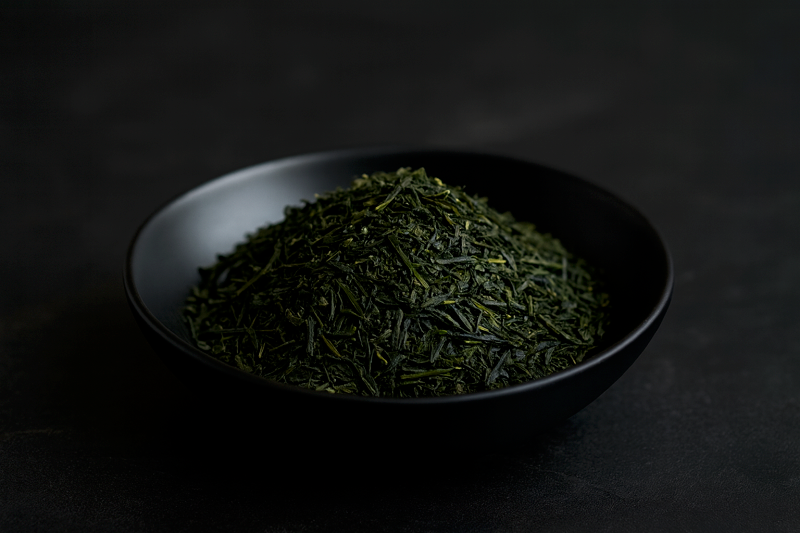
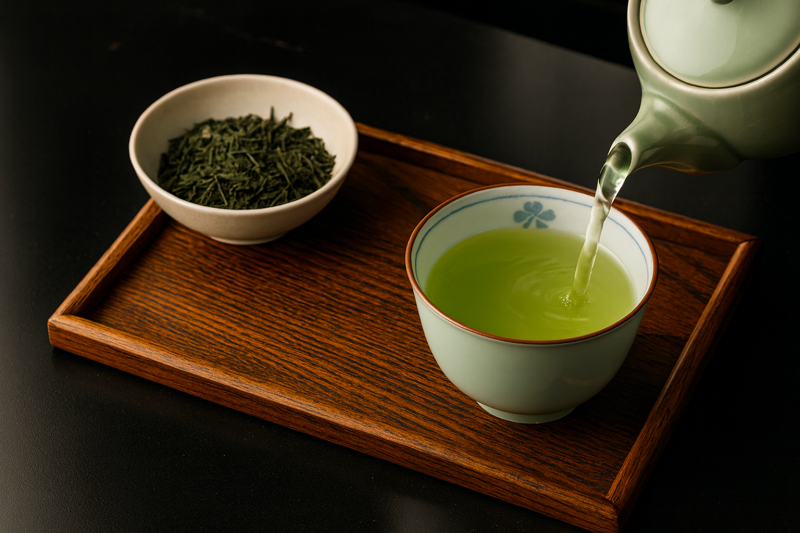
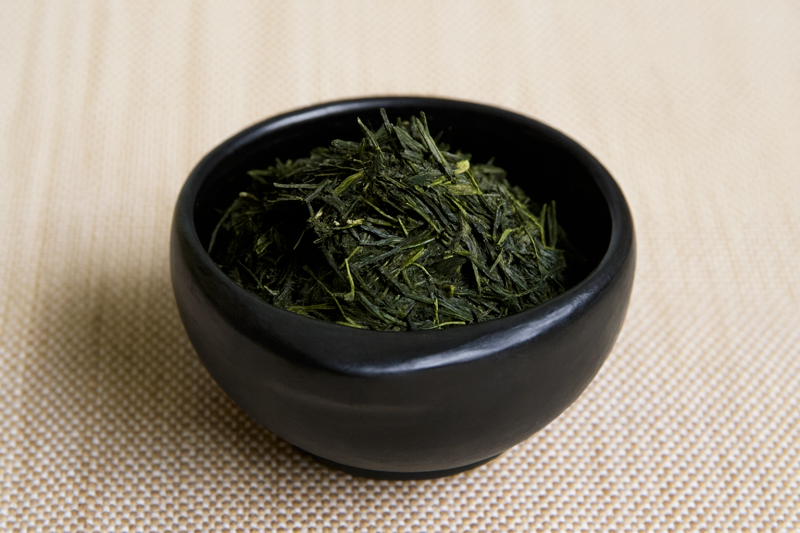
Tasting Profile
Brewing Guide
- Tea-to-water ratio~5 g tea leaves per 200 ml water.
- Water temperature70–75 °C (158–167 °F) — slightly lower than regular sencha to preserve delicate flavor.
- Steeping timeFirst infusion: 60–90 seconds; subsequent infusions: 30–60 seconds.
- Infusions2–3 infusions; the first is fresh and umami-rich, the second sweeter, the third lighter and brisk.
Background & Story
Shincha, which literally means “new tea,” refers to the very first harvest of Japanese green tea each year. As the first flush of sencha, it is highly anticipated and celebrated across Japan as a seasonal delicacy that signals the arrival of spring. Harvested in late April through May, shincha embodies freshness, vibrancy, and the purest expression of the tea plant after its winter dormancy.
The uniqueness of shincha lies in its composition. During winter, tea bushes store nutrients, which are then concentrated in the tender young leaves of spring. These first leaves are packed with amino acids, particularly L-theanine, which give shincha its rich umami and natural sweetness. At the same time, they contain less catechin, meaning shincha has lower bitterness compared to later harvests. This balance of sweetness, umami, and gentle astringency defines shincha’s character and sets it apart from standard sencha.
Shincha has deep cultural significance in Japan. Tea farmers and connoisseurs eagerly await the first harvest each year, and freshly picked shincha is often sold in limited quantities for only a short season. It is not just a beverage but a celebration of renewal, health, and prosperity, akin to the way first-harvest rice or sake holds special value. Because of its freshness, shincha is typically enjoyed within a few months of harvest, before its delicate flavor begins to fade.
Traditionally, shincha is processed in the same way as sencha: the leaves are steamed, rolled, and dried. However, extra care is taken to preserve the bright green color and fresh aroma. The resulting brew is lively, aromatic, and invigorating, offering a sensory snapshot of the Japanese spring.
Today, shincha continues to be treasured both in Japan and abroad. For tea lovers, it represents not just the start of a new tea season, but the joy of tasting nature’s first offering of the year.
Benefits
- Rich in amino acids, especially L-theanine, promoting relaxation and calm focus
- High in antioxidants from fresh young leaves, supporting cellular health
- Lower in bitterness, gentle on the stomach and easy to drink daily
- Provides vitamins and minerals that help boost energy and immunity
- Seasonal freshness symbolizes renewal, uplifting mood and well-being
Serving Suggestions
Pairings
- Light Japanese meals such as steamed rice with grilled fish
- Fresh seasonal vegetables, especially spring greens or asparagus
- Simple sushi or sashimi to complement its clean umami
- Mild wagashi (Japanese sweets) like mochi or yokan
- Fresh fruits such as strawberries or citrus for a bright pairing
Teaware
- Kyusu (Japanese side-handle teapot)
- Yunomi (Japanese tea cup)
- Chazutsu (airtight tea canister)
Nutrition Facts
Serving Size: 1 cup brewed Shincha (240 ml)
| Nutrient | Amount per Serving | % Daily Value* |
|---|---|---|
| Calories | 0 | 0% |
| Total Fat | 0 g | 0% |
| Sodium | 0 mg | 0% |
| Total Carbohydrates | 0 g | 0% |
| Protein | 0 g | 0% |
| Vitamin C | 8–12 mg | 10–15% |
| Vitamin A (beta-carotene) | Trace | <1% |
| Calcium | 3–5 mg | <1% |
| Potassium | 25–40 mg | <1% |
| Magnesium | 2–4 mg | 1% |
| Caffeine | 20–30 mg | — |
| L-theanine | 12–16 mg | — |
| Catechins (EGCG) | 35–60 mg | — |
| Polyphenols | 80–100 mg | — |
| Chlorophyll | Present (high in spring leaves) | — |
**Percent Daily Values are based on a 2,000 calorie diet.
† Functional compounds such as caffeine, L-theanine, catechins, polyphenols, and chlorophyll do not have established %DV but contribute strongly to Shincha’s health benefits.