
11 health benefits of White Monkey Tea
Tea drinkers around the world are constantly seeking unique varieties that not only taste exceptional but also deliver health-promoting properties. While classics like green tea, black tea, and matcha often take the spotlight, specialty teas such as White Monkey Tea are quietly making their mark among connoisseurs and wellness seekers alike.
White Monkey Tea is a rare Chinese tea with a fascinating backstory and a flavor profile that sets it apart. Delicate yet full-bodied, it bridges the gap between white and green teas, offering drinkers a smooth, slightly sweet brew that is as enjoyable as it is beneficial. Rich in antioxidants, polyphenols, and other bioactive compounds, this tea provides a long list of potential health benefits—from boosting heart health and immunity to supporting weight management and mental clarity.
In this article, we will explore what White Monkey Tea is, highlight its nutritional profile, and break down 11 science-supported benefits that make this rare tea worth adding to your collection.
What is White Monkey Tea?
White Monkey Tea, also called Bai Mao Hou, is a rare and highly prized Chinese tea. It originates from the Fujian and Hunan provinces of China, regions known for producing some of the world’s finest teas. Harvested only in early spring, it is made from the youngest buds and leaves, which are carefully handpicked to preserve their delicate flavor and nutrients.
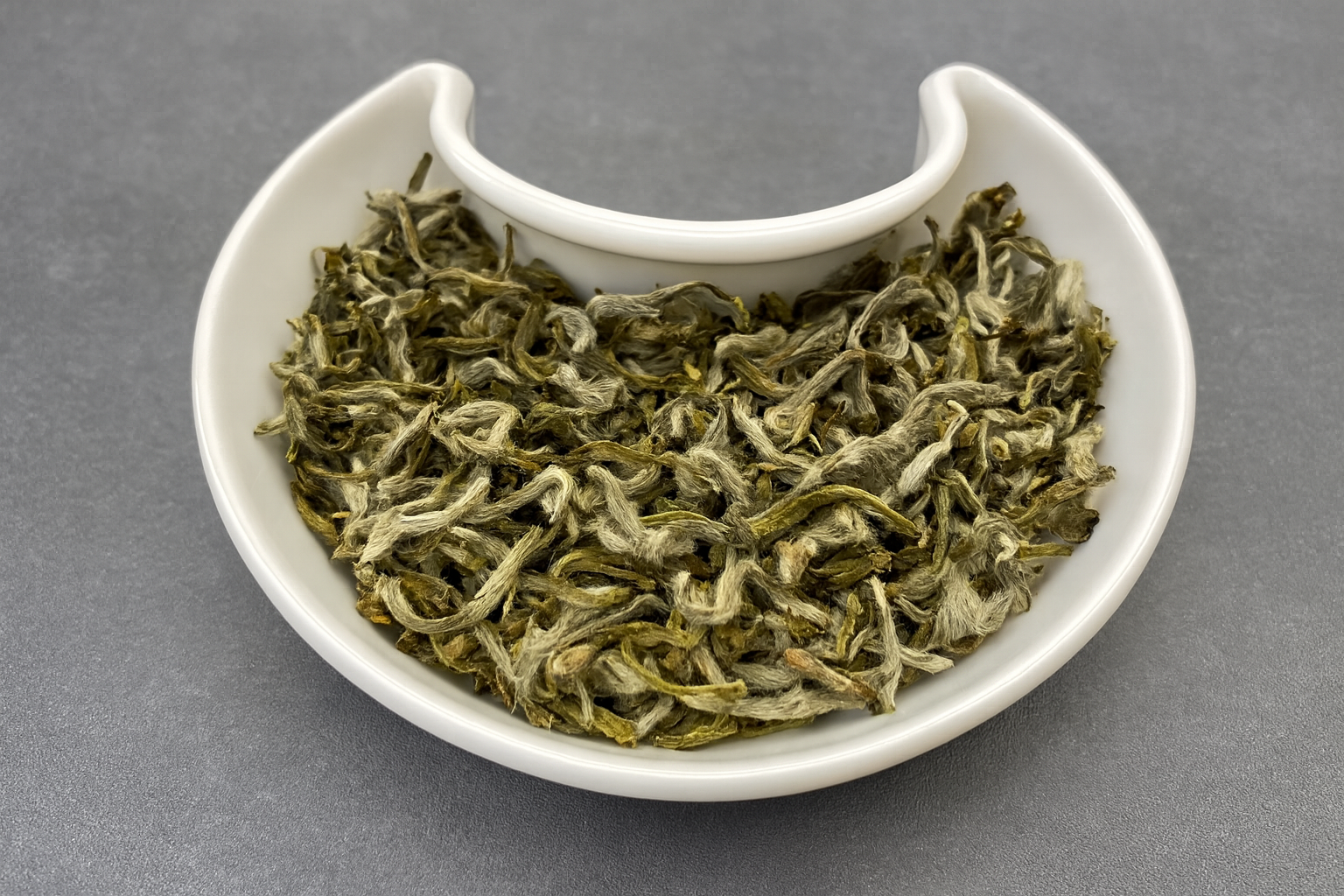
The name “White Monkey” comes from the tea’s appearance. The leaves are long and twisted, with soft white down covering them, and when dried, they curl in a way that resembles a monkey’s paw. Once brewed, the leaves unfurl to release a pale golden-green liquor with a smooth, slightly sweet, and vegetal taste.
Though classified as a green tea, White Monkey is often described as having characteristics that sit between white and green tea. It undergoes minimal oxidation, preserving high levels of antioxidants and amino acids. This makes it not only a flavorful choice but also a healthful one, aligning it with the growing demand for specialty teas that deliver wellness benefits (1).
Nutritional and Phytochemical Profile
Like many premium teas, White Monkey Tea is valued not only for its taste but also for its nutrient-rich composition. Its delicate processing allows it to retain a broad spectrum of bioactive compounds that contribute to its health benefits.
The tea contains abundant catechins, polyphenols, flavonoids, and amino acids such as L-theanine, along with essential vitamins and minerals. These compounds give it antioxidant, anti-inflammatory, and metabolic-supportive properties. Its caffeine content is moderate—less than coffee but often higher than lighter white teas—making it a good choice for sustained focus without overstimulation.
Key Compounds in White Monkey Tea
| Compound/Nutrient | Potential Role in Health |
|---|---|
| Catechins (EGCG) | Antioxidant activity, supports heart health, weight management |
| Polyphenols | Reduce oxidative stress and inflammation |
| L-theanine | Promotes calm alertness and improves focus |
| Vitamin C | Supports immunity and skin health |
| Potassium | Regulates blood pressure and fluid balance |
| Magnesium | Aids muscle and nerve function |
Research shows that teas rich in catechins and polyphenols, like White Monkey Tea, may play a role in reducing chronic disease risks and supporting overall wellness (1).
11 Health Benefits of White Monkey Tea
1. High in Antioxidants
White Monkey Tea is loaded with catechins and polyphenols, two compounds well known for their antioxidant properties. These substances help the body fight free radicals, unstable molecules that contribute to cellular damage and chronic disease. By neutralizing free radicals, antioxidants may slow down premature aging and reduce the risk of heart disease, diabetes, and certain cancers.
Drinking White Monkey Tea regularly can therefore be a natural way to enhance your body’s defense system, providing long-term support for health and vitality (1).
2. Boosts Heart Health
Research on green teas, including specialty varieties like White Monkey, suggests that regular consumption may lower LDL cholesterol, improve blood vessel function, and reduce the risk of heart disease. Catechins in particular are linked with reduced blood pressure and better circulation.
By supporting healthier blood lipid levels and reducing oxidative stress, White Monkey Tea may contribute to overall cardiovascular protection, making it a smart beverage choice for heart health (2).
3. Supports Weight Management
Green teas, including White Monkey Tea, are often studied for their role in weight management. Catechins, particularly EGCG (epigallocatechin gallate), are thought to boost metabolism by increasing fat oxidation and enhancing calorie burn during physical activity. The moderate caffeine content also provides a gentle metabolic lift, which can further support weight goals.
While no tea alone is a magic solution for weight loss, White Monkey Tea can complement a healthy diet and exercise plan by curbing cravings, regulating appetite, and promoting steady energy levels. This makes it easier to maintain consistency in long-term lifestyle changes (3).
4. Promotes Digestive Health
White Monkey Tea is considered a gentle, soothing tea, making it suitable for those with sensitive stomachs. Its polyphenols may encourage the growth of beneficial gut bacteria while reducing harmful bacteria, supporting a healthier balance in the digestive tract. Additionally, its mild caffeine content can help stimulate bowel regularity without the harsh effects of stronger teas or coffee.
Many tea drinkers find that a cup of White Monkey after meals helps reduce bloating, eases mild indigestion, and leaves the stomach feeling calm. By promoting smoother digestion and gut balance, it may contribute to overall wellness from the inside out (4).
5. Improves Brain Function
One of the most appealing aspects of White Monkey Tea is the synergy between caffeine and L-theanine. The moderate caffeine content provides alertness, while L-theanine—an amino acid unique to tea—induces calm without drowsiness. Together, these compounds improve focus, reaction time, and working memory.
Research suggests that this combination not only enhances mental performance but also reduces the jittery effects sometimes associated with caffeine consumption. For students, professionals, or anyone needing sustained concentration, White Monkey Tea can be a natural alternative to coffee (5).
6. Strengthens the Immune System
White Monkey Tea provides immune-boosting compounds such as vitamin C, flavonoids, and catechins. These substances help stimulate white blood cell production, reduce inflammation, and strengthen the body’s defense against infections.
Drinking this tea regularly may reduce the frequency of colds or shorten their duration. In addition, the polyphenols may help modulate the immune response, supporting balance and resilience rather than overstimulation (6).
7. Supports Healthy Skin
The antioxidants in White Monkey Tea, particularly catechins and vitamin C, play an important role in protecting skin cells from oxidative stress. Free radicals from UV radiation, pollution, and lifestyle factors can accelerate skin aging, leading to wrinkles, dullness, and loss of elasticity.
Regular consumption of antioxidant-rich teas may help reduce this damage and promote a healthier complexion. Some studies even suggest that green tea polyphenols can improve skin hydration and reduce redness caused by sun exposure, making White Monkey Tea a valuable ally for long-term skin care (7).
8. Helps Regulate Blood Sugar
White Monkey Tea may also support healthy blood sugar levels. The catechins in green tea have been linked to improved insulin sensitivity and slower absorption of glucose in the digestive tract. This can help reduce spikes in blood sugar after meals, which is particularly beneficial for individuals managing type 2 diabetes or prediabetes.
Although more research is needed on specialty teas like White Monkey specifically, its phytochemical profile is similar to other green teas shown to aid in blood sugar regulation. Drinking it as part of a balanced diet may therefore support metabolic health and steady energy levels (8).
9. Promotes Oral Health
White Monkey Tea contains natural polyphenols and catechins with antibacterial and antimicrobial properties. These compounds may help reduce the growth of harmful bacteria in the mouth, particularly Streptococcus mutans, which is a major contributor to plaque buildup, tooth decay, and bad breath.
In addition, the fluoride naturally present in tea leaves can strengthen tooth enamel and protect against cavities. Regular consumption of White Monkey Tea may therefore support fresher breath and better oral hygiene when combined with proper dental care (9).
10. May Reduce Cancer Risk
Polyphenols found in green teas, including White Monkey Tea, have been widely studied for their potential anticancer properties. These compounds may help protect cells from DNA damage, inhibit tumor growth, and reduce the spread of cancer cells in laboratory studies.
While human studies are ongoing and more evidence is needed, the high antioxidant and catechin content of White Monkey Tea suggests it may play a protective role when consumed regularly as part of a balanced diet. Importantly, tea should not be viewed as a cure, but rather as a supportive measure for overall cellular health (10).
11. Encourages Relaxation
One of the unique qualities of White Monkey Tea is its ability to promote a sense of calm alertness. This is largely due to the amino acid L-theanine, which is present in significant amounts. L-theanine works synergistically with caffeine to improve focus while reducing stress and anxiety. Unlike the jittery energy that can come from coffee, this combination produces a smoother, more balanced state of mental clarity.
Drinking a cup of White Monkey Tea can therefore be a soothing ritual, helping to relax the mind without causing drowsiness. For people who want to stay productive while managing stress levels, White Monkey Tea provides an ideal natural option for mental balance (11).
How to Brew White Monkey Tea
Brewing White Monkey Tea is a simple yet rewarding process that allows you to appreciate its delicate character. Because it sits between green and white tea in terms of processing, the preparation method is closer to green tea, with some added care to preserve its subtle flavors.
Step-by-Step Brewing Guide
- Measure the leaves – Use 1–2 teaspoons of dried leaves per 8-ounce cup of water. Since the leaves are light and fluffy, it’s better to measure by volume rather than weight.
- Heat the water – The ideal water temperature is 75–80°C (167–176°F). Avoid boiling water, as it can scorch the tender leaves and create bitterness.
- Rinse (optional) – Some tea drinkers like to quickly rinse the leaves with hot water for 5 seconds to awaken the aroma and remove surface impurities. This step is optional but enhances flavor for some.
- Steep the tea – Pour the hot water over the leaves and let them steep for 2–3 minutes. A shorter steeping time will yield a lighter, sweeter brew, while a longer steep provides a stronger, more robust taste.
- Multiple infusions – High-quality White Monkey Tea leaves can be infused 2–3 times. With each infusion, the flavor profile evolves, becoming softer and more nuanced.
- Choose the right teaware – Glass or porcelain teapots and cups are ideal. These allow you to watch the leaves unfurl—a part of the experience that highlights the craftsmanship behind this tea.
Flavor Profile
When brewed properly, White Monkey Tea produces a pale golden-green liquor with a smooth, slightly sweet flavor. It has vegetal notes reminiscent of green tea, but with the delicate subtlety often found in white tea. Many drinkers describe it as fresh, clean, and calming, making it suitable for both beginners and seasoned tea lovers.
Side Effects and Risks
Although White Monkey Tea offers many potential health benefits, it’s important to be mindful of possible side effects and situations where caution is needed.
Caffeine Content
White Monkey Tea contains moderate caffeine levels, usually more than most white teas but less than stronger green teas. For most people, this provides a gentle energy boost. However, if consumed in excess, it may cause jitteriness, insomnia, or an increased heart rate. Those sensitive to caffeine should limit intake to 1–2 cups daily.
Stomach Sensitivity
Like other green teas, drinking White Monkey Tea on an empty stomach can sometimes cause nausea or stomach irritation. This is due to tannins, natural compounds in tea that can increase stomach acidity. It’s best to consume the tea after meals or with light snacks.
Pregnancy and Health Conditions
Pregnant or breastfeeding women are generally advised to limit caffeine intake, and White Monkey Tea should be consumed cautiously in these situations. Additionally, individuals with health conditions such as iron deficiency, anxiety disorders, or cardiovascular concerns should seek medical guidance before making it a daily habit.
Medication Interactions
The catechins in White Monkey Tea may interact with certain medications, including those for blood pressure, heart conditions, and blood clotting. If you are on prescription drugs, consult your healthcare provider before adding this tea to your regimen.
Overall, White Monkey Tea is safe for most people when enjoyed in moderation. Mindful consumption ensures that its benefits can be appreciated without unwanted side effects.
Frequently Asked Questions (FAQs)
White Monkey Tea is officially classified as a green tea, but because it is harvested from young buds with fine white hairs and undergoes minimal oxidation, it shares qualities with white teas. This dual character makes it unique.
Yes. White Monkey Tea has a moderate caffeine content, usually higher than most white teas but lower than black teas. A standard cup may contain 20–35 mg of caffeine, compared to 95 mg in a cup of coffee.
For most people, 2–3 cups per day is safe and beneficial. If you are sensitive to caffeine, it’s best to start with one cup and monitor how your body responds.
White Monkey Tea is not a weight-loss solution on its own, but its catechins and caffeine may help boost metabolism and reduce cravings when combined with a balanced diet and regular activity.
It has a smooth, slightly sweet, and vegetal flavor with hints of chestnut and floral undertones. Compared to typical green teas, it is less astringent and has a more delicate aftertaste.
Yes. High-quality White Monkey Tea can be steeped 2–3 times, with each infusion revealing new layers of flavor.
Conclusion
White Monkey Tea is more than just a rare and beautiful variety of green tea—it is a wellness beverage that brings together tradition, flavor, and health in a single cup. From its antioxidant richness to its potential roles in supporting heart health, digestion, weight management, and mental clarity, it offers a wide spectrum of benefits for both body and mind. Its moderate caffeine content, paired with calming L-theanine, makes it an ideal choice for those seeking balanced energy without the crash often associated with coffee.
Like all teas, moderation is key. Drinking 2–3 cups daily, especially after meals, can help you enjoy its benefits while minimizing the risk of side effects. Whether you are drawn to White Monkey Tea for its smooth and delicate flavor or for its science-backed health advantages, it provides a refreshing way to support long-term well-being.
By incorporating this specialty tea into your routine, you not only connect with centuries of Chinese tea tradition but also invest in your health in a gentle, sustainable way. White Monkey Tea is proof that sometimes, the rarest teas offer the richest rewards.


