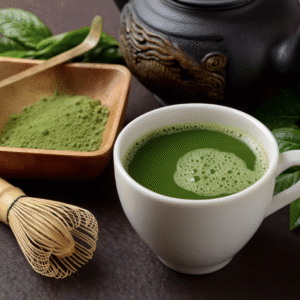
Matcha
Japan — Uji, Kyoto
Oxidation: none
Harvest: spring
Tasting Profile
Sweet, vegetal with fresh grassiness
Rich, creamy umami with vegetal sweetness
Thick, creamy, full-bodied
Lingering sweetness with subtle bitterness
Brewing Guide
Temperature
70-80°C
158-176°F
Steep Time
0-1 min
Leaf Amount
2g / 100ml
Max Infusions
1
About This Tea
Matcha stands as one of the finest expressions of tea craftsmanship from Uji, Kyoto, Japan. The production process involves leaves that are steamed shortly after harvest to halt oxidation, preserving the bright green color and fresh, vegetal character, a technique developed through generations of careful experimentation and refinement. The geographical conditions unique to Uji, Kyoto give this tea its unmistakable character, earning it recognition among tea enthusiasts worldwide.
The sensory experience of Matcha begins with its aroma — sweet, vegetal with fresh grassiness. Upon tasting, one discovers rich, creamy umami with vegetal sweetness. This complexity of flavor makes Matcha a fascinating tea to explore, as each brewing reveals new nuances and subtleties that reward attentive drinkers. The tea is high in caffeine with 60-70 mg per cup, rivaling or exceeding some coffees and providing sustained energy, adding to its versatility as a daily companion.
In Japanese tea culture, this tea holds a special place. The Japanese approach to tea emphasizes seasonality, mindfulness, and the harmony between the drinker and the natural world.
To brew Matcha properly, water should be heated to 70°C to 80°C and the leaves steeped for 15 to 30 seconds. Using approximately 2.0g of tea per 100ml of water produces optimal results. The tea can be re-steeped up to 1 times, with each infusion offering a slightly different expression of the leaf's character. Many experienced drinkers find that the second or third infusion reveals the tea's true depth.
The appeal of Matcha in contemporary tea culture reflects a broader movement toward mindful consumption and appreciation of artisanal products. As more people seek alternatives to mass-produced beverages, teas like Matcha offer an authentic connection to terroir, tradition, and taste. Each cup tells a story — of the land where the leaves were grown, the hands that processed them, and the centuries of knowledge that guided every step of their journey from garden to cup.
Health Benefits
Caffeine Deep Dive
compared to coffee (95 mg)
Based on the FDA guideline of 400 mg/day, you can safely drink up to 6 cups per day.
Track your daily intake with the Caffeine Calculator →Serving Suggestions
Pairs Well With
Recommended Teaware
🛒Shop Matcha on Amazon

Jade Leaf Matcha Organic Culinary Grade Matcha Powder - Japanese Green tea for Baking, Smoothies, Lattes, and Skin Care, 30g / 1.06 Ounce (Pack of 1)
JAPANESE CULINARY GRADE MATCHA POWDER: Enjoy quality culinary grade matcha with our bulk 454 gram resealable pouch. Using ½–1 tsp per cup, this pouch makes approximately 225 full-sized matcha lattes or up to 454 traditional usucha servings — that's as little a
$10.99
Buy Now

Yogi Tea - Green Tea Super Antioxidant (6 Pack) - Organic Green Tea Blend to Support Overall Health - 96 Tea Bags
$26.76
Buy Now
Bigelow Classic Green Tea Bags, 40-Count Boxes (Pack of 6), Caffeinated Green Tea, 240 Tea Bags Total
$34.62
Buy Now

Yogi Tea Pure Green Tea - 16 Bags per Pack (6 Packs) - Organic - Supports Overall Health & Provides Antioxidants
$26.76
Buy NowAs an Amazon Associate, we earn from qualifying purchases. Prices and availability may vary.
Nutrition Facts
Per 240ml serving
Per 240ml serving
| Calories | 2 kcal |
| Caffeine | 60-70 mg |
| L-Theanine | 30-45 mg |
| Polyphenols | 100-200 mg |
| EGCG (Catechins) | 60-130 mg |
| Vitamin C | 1-3 mg |
| Protein | 0.3 g |
| Total Carbohydrates | 0.4 g |
| Total Fat | 0 g |
| Potassium | 20 mg |
| Magnesium | 3 mg |
| Calcium | 3 mg |
| Sodium | 1 mg |