Best Tea for Bloating
Abdominal bloating, gas, and discomfort
Top 4 teas ranked by effectiveness
🏆 The #1 tea for Bloating is Peppermint Tea.
Peppermint tea's anti-bloating properties stem primarily from its high concentration of menthol and other volatile compounds that work synergistically to address digestive discomfort. Research indicates that menthol acts as a natural antispasmodic, helping to relax the smooth muscles of the digestive tract, particularly in the stomach and intestines.
Score: 10/10
Peppermint Tea
10/10Why it helps:
Peppermint tea's anti-bloating properties stem primarily from its high concentration of menthol and other volatile compounds that work synergistically to address digestive discomfort. Research indicates that menthol acts as a natural antispasmodic, helping to relax the smooth muscles of the digestive tract, particularly in the stomach and intestines. This muscle relaxation can significantly reduce the cramping and tension that often accompanies bloating, allowing trapped gas to move more freely through the digestive system. Studies suggest that peppermint's carminative properties - its ability to prevent or relieve flatulence - play a crucial role in bloating relief. The volatile oils in peppermint tea stimulate bile flow and promote more efficient digestion, which can prevent the fermentation processes that lead to excessive gas production. Additionally, research indicates that menthol may influence the enteric nervous system, the network of nerves that governs digestive function, helping to normalize gut motility and reduce the sensation of abdominal distension. The anti-inflammatory compounds in peppermint, including rosmarinic acid and flavonoids, may also contribute to its bloating-relief effects. These compounds can help reduce inflammation in the digestive tract, which often accompanies conditions that cause bloating such as irritable bowel syndrome (IBS). Clinical studies have shown that peppermint oil, which...
Key compounds:
Brewing tip: Steep 1-2 teaspoons of dried peppermint leaves or one tea bag in 200°F water for 5-7 minutes to extract optimal levels of volatile oils without creating excessive bitterness. Cover the cup while steeping to prevent the therapeutic volatile compounds from escaping. Drink while warm for maximum antispasmodic benefits.
Dosage: For bloating relief, drink 1-2 cups of peppermint tea 30 minutes after meals when digestive discomfort typically occurs. Up to 3 cups daily is generally considered safe for most adults. Consistency is key - regular consumption may provide cumulative benefits for chronic bloating issues.
Fennel Tea
9/10Why it helps:
Fennel tea has been treasured for centuries as a natural remedy for digestive discomfort, particularly bloating, due to its rich concentration of bioactive compounds that target the root causes of abdominal distension. Research indicates that fennel's primary therapeutic effects come from its volatile oils, which make up 2-6% of the seed's composition and contain powerful carminative properties that help expel trapped gas from the digestive tract. Studies suggest that the key mechanism behind fennel's anti-bloating effects lies in its ability to relax the smooth muscles of the gastrointestinal tract, particularly in the stomach and intestines. This antispasmodic action helps reduce cramping and allows gas to move more freely through the digestive system, preventing the uncomfortable pressure that characterizes bloating. Additionally, fennel compounds stimulate the production of digestive enzymes and gastric juices, which improve the breakdown of foods and reduce fermentation that can lead to excessive gas production. Research indicates that fennel also possesses significant anti-inflammatory properties that can soothe irritated intestinal walls, often a contributing factor to bloating and digestive discomfort. The herb's compounds work synergistically to promote healthy gut motility, ensuring that food moves efficiently through the digestive system rather than stagnating and fermenting. Clinical observations have shown that...
Key compounds:
Brewing tip: For maximum anti-bloating benefits, crush 1-2 teaspoons of fennel seeds before steeping in 200°F water for 10-15 minutes to fully extract the therapeutic volatile oils. Cover the cup while steeping to prevent the essential oils from evaporating. Drink the tea warm, ideally 30 minutes before meals or immediately after eating when bloating occurs.
Dosage: For bloating relief, drink 1-2 cups of fennel tea daily, preferably before or after meals when digestive support is most needed. Start with one cup to assess tolerance, as some individuals may be sensitive to fennel's potent compounds. Consistent daily consumption over 1-2 weeks typically provides the best results for chronic bloating issues.
Ginger Tea
7/10Dandelion Root Tea
7/10🛒Shop Peppermint Tea Bloating on Amazon

Twinings Pure Peppermint Herbal Tea Individually Wrapped Bags, 100 Count (Pack of 1), Fresh Minty Flavour, Naturally Caffeine-Free, Enjoy Hot or Iced, 100 Teabags
PURE PEPPERMINT TEA: Refreshing herbal tea expertly blended using only pure peppermint to deliver an invigorating tea with an uplifting aroma and fresh mint taste; Naturally Caffeine Free Herbal, 100 Tea Bags DID YOU KNOW: Herbal "tea" isn't technically tea, a
$12.91
Buy Now
Twinings Pure Peppermint Herbal Tea Individually Wrapped Bags, 20 Count (Pack of 1), Fresh Minty Flavour, Naturally Caffeine-Free, Enjoy Hot or Iced, 20 Teabags
PEPPERMINT TEA: Refreshing herbal tea expertly blended using only pure peppermint to deliver an invigorating tea with an uplifting aroma and fresh mint taste; Naturally Caffeine Free, 20 Count, Pack of 1 DID YOU KNOW: Herbal "tea" isn't technically tea, as it'
$3.97
Buy Now
Traditional Medicinals Organic, Peppermint Tea - Helps Soothe Belly from Occasional Gas and Bloating - Kosher, Non-GMO, Caffeine-Free, Compostable - 16 Tea Bags
Herbal teas: Organic Peppermint tea soothes your belly and alleviates digestive discomfort* Taste: Our peppermint tea bags are aromatic, refreshing and undeniably minty
$5.88
Buy Now
Amazon Grocery, Peppermint Herbal Tea Bags, 20 Ct
One box with 20 bags of Peppermint Herbal Tea Some of your favorite Happy Belly products are now part of the Amazon Grocery brand! Although packaging may vary during the transition, the ingredients and product remain the same. Thank you for your continued trus
$2.82
Buy Now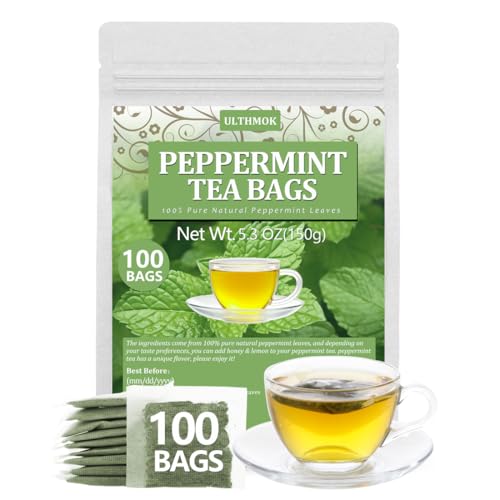
Premium Peppermint Tea Bags, 100 Tea Bags, Made with 100% Natural Peppermint Leaves, No Additives & Caffeine Free.
Peppermint is grown on natural farms, pure & pollution-free. Peppermint leaves are grown without any chemicals use. Peppermint Leaves are picked in mid-July, when they are fully ripe and have the highest nutritional value and flavor.
$9.95
Buy Now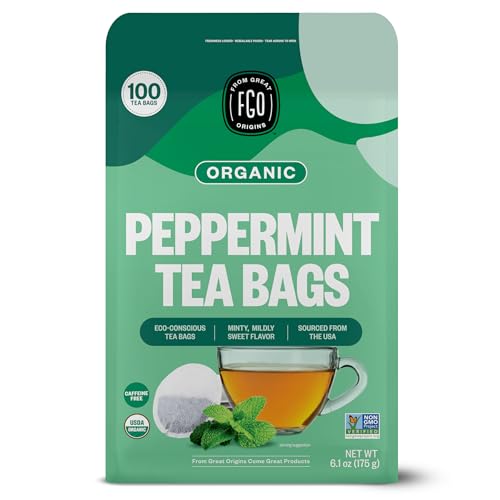
FGO Organic Peppermint Tea, 100 Count, Eco-Conscious Tea Bags, Caffeine Free, Packaging May Vary (Pack of 1)
ORGANIC PEPPERMINT LEAF TEA - The tea is filled into tea bags and packed into foil-lined kraft bags in the United States 100 ECO-CONSCIOUS TEA BAGS - Our premium tea bags are constructed of Abacá Hemp Fiber Paper. They are free of dyes, adhesive, glue and chlo
$21.99
Buy NowAs an Amazon Associate, we earn from qualifying purchases. Prices and availability may vary.
How We Ranked These Teas
We evaluated each tea based on its active compounds, traditional use, and available research for this specific health concern.
Quick Comparison
| Rank | Tea | Score | Key Compound | Caffeine | Best Time |
|---|---|---|---|---|---|
| 1 | Peppermint Tea | 10/10 | Menthol | Caffeine-free | Steep 1-2 teaspoons of dried peppermint ... |
| 2 | Fennel Tea | 9/10 | Anethole | Caffeine-free | For maximum anti-bloating benefits, crus... |
| 3 | Ginger Tea | 7/10 | — | Caffeine-free | — |
| 4 | Dandelion Root Tea | 7/10 | — | Caffeine-free | — |
You might also be interested in
Frequently Asked Questions
Is Peppermint Tea good for Bloating?▼
The #1 tea for Bloating is Peppermint Tea.
How much Peppermint Tea should I drink for Bloating?▼
For bloating relief, drink 1-2 cups of peppermint tea 30 minutes after meals when digestive discomfort typically occurs. Up to 3 cups daily is generally considered safe for most adults. Consistency is key - regular consumption may provide cumulative benefits for chronic bloating issues.
When should I drink Peppermint Tea for Bloating?▼
Drink Peppermint Tea 30 minutes before or after meals for best absorption. For Bloating, a morning and afternoon cup is ideal.
Are there side effects of Peppermint Tea for Bloating?▼
People with gastroesophageal reflux disease (GERD) should exercise caution, as peppermint can relax the lower esophageal sphincter and potentially worsen heartburn symptoms. Those with gallstones should consult a healthcare provider before regular consumption, as peppermint may stimulate bile flow.
Can I combine Peppermint Tea with other teas for Bloating?▼
Yes, you can combine Peppermint Tea with other teas for Bloating. However, monitor your total caffeine intake and consult a professional if you take medications.