Bester Tee für Übelkeit
Übelkeitsgefühl, Magenverstimmung
Top 3 Tees nach Wirksamkeit sortiert
🏆 The #1 tea for Übelkeit is Ginger Tea.
Ginger tea has been recognized for centuries as a natural remedy for nausea, and modern research indicates that its anti-nausea properties stem from several bioactive compounds working synergistically. The primary mechanism involves ginger's ability to modulate the digestive system and influence neurotransmitter pathways that control the nausea response.
Bewertung: 10/10
Ginger Tea
10/10Warum es hilft:
Ginger tea has been recognized for centuries as a natural remedy for nausea, and modern research indicates that its anti-nausea properties stem from several bioactive compounds working synergistically. The primary mechanism involves ginger's ability to modulate the digestive system and influence neurotransmitter pathways that control the nausea response. Studies suggest that ginger compounds interact with serotonin receptors in the digestive tract, which play a crucial role in triggering nausea and vomiting sensations. Research indicates that gingerols, the main active compounds in fresh ginger, are particularly effective at blocking 5-HT3 receptors in the gut and central nervous system. These receptors are key players in the body's nausea response, and when blocked, they can significantly reduce feelings of queasiness. Clinical trials have shown that ginger can be as effective as some pharmaceutical anti-nausea medications for certain types of nausea, including motion sickness and morning sickness during pregnancy. The warming properties of ginger tea also contribute to its anti-nausea effects by promoting healthy digestion and gastric motility. Studies suggest that ginger stimulates digestive enzymes and helps food move more efficiently through the stomach, reducing the likelihood of digestive stagnation that can contribute to nausea. Additionally, research indicates that the aromatic compounds in ginger...
Wichtige Wirkstoffe:
Zubereitungstipp: For maximum anti-nausea benefits, steep 1-2 teaspoons of fresh grated ginger or 1 ginger tea bag in 200°F water for 5-10 minutes. The slightly cooler temperature preserves delicate gingerols while longer steeping extracts more beneficial compounds. Sip slowly while warm for optimal relief.
Dosierung: For nausea relief, drink 1-3 cups of ginger tea daily, spacing them throughout the day as needed. Start with one cup when nausea first appears, and continue with additional cups every 2-3 hours if symptoms persist. Consistency is key for managing chronic nausea conditions.
Peppermint Tea
9/10Warum es hilft:
Peppermint tea has been valued for centuries as a natural remedy for digestive discomfort, particularly nausea. Research indicates that the primary therapeutic compounds in peppermint, especially menthol and menthone, work through multiple mechanisms to combat nausea and settle an upset stomach. Studies suggest that menthol activates specific receptors in the digestive tract that help relax smooth muscle tissue, reducing spasms and cramping that often accompany nauseous feelings. The anti-nausea effects of peppermint appear to be linked to its ability to influence the vagus nerve, which plays a crucial role in digestive function and nausea response. Research indicates that the cooling sensation from menthol can help override nausea signals sent to the brain, providing rapid relief. Additionally, the aromatic compounds in peppermint tea work through the olfactory system - simply inhaling the steam while drinking can trigger anti-emetic responses in the brain's chemoreceptor trigger zone. Studies suggest that peppermint's antispasmodic properties are particularly effective for nausea related to digestive issues, motion sickness, and even chemotherapy-induced nausea. The herb's ability to increase bile flow and improve overall digestive function helps address underlying causes of nausea rather than just masking symptoms. Clinical research has shown that peppermint can be as effective as some...
Wichtige Wirkstoffe:
Zubereitungstipp: For maximum anti-nausea benefits, steep 1-2 teaspoons of dried peppermint leaves in 200°F water for 5-7 minutes to extract optimal levels of menthol and other therapeutic compounds. Cover the cup while steeping to preserve volatile oils, and inhale the aromatic steam before drinking. Drink while warm but not hot to avoid further stomach irritation.
Dosierung: For nausea relief, drink 1-2 cups of peppermint tea as needed, up to 3-4 cups daily. Sip slowly at the first signs of nausea, and continue with additional cups every 2-3 hours if symptoms persist. Take on an empty stomach for fastest relief, or 30 minutes before meals to prevent nausea.
Fenchel-Tee
7/10🛒Ginger Tea Übelkeit auf Amazon kaufen


Yogi Tea Chai Rooibos Tea - 16 Tea Bags per Pack (6 Packs) - Spiced Organic Rooibos Tea - Provides Antioxidants - Caffeine-Free - Includes Cardamom, Cinnamon, Ginger & Clove
$26.76
Jetzt kaufen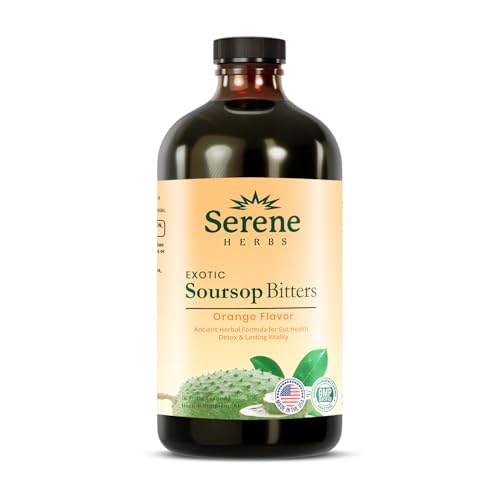
Serene Herbs Soursop Bitters Liquid – Organic Herbal Sour SOP Guanabana with Black Seed, Moringa, Irish Moss & Ginger – Gut Support, Energy & Immune Boost – Vegan, Non-GMO – Orange Flavor – 16 oz
PREMIUM BLEND: Our liquid herbal formula combines potent soursop (graviola) with black seed, moringa, and ginger to create a powerful wellness tonic that supports your body's natural processes and overall vitality. GUT FRIENDLY: Our carefully crafted herbal...
$37.99
Jetzt kaufen
Bigelow Tea Caffeine Free 6 Flavor Herbal Tea Variety Pack, Decaf Tea with Mint Medley, Cozy Chamomile, Orange and Spice, Sweet Dreams, Perfect Peach, and Lemon Ginger, (Pack of 6), 118 Total Tea Bags
For Every Occasion: 118 Bigelow herbal tea bag variety pack of Bigelow Mint Medley, Cozy Chamomile, Orange and Spice, Sweet Dreams, Perfect Peach and Lemon Ginger plus probiotics Herbal Tea; Choose the perfect tea for your day Tea Bags Individually Wrapped: Bi
$24.50
Jetzt kaufen
Prince of Peace Instant Ginger Honey Crystals, 30 Sachets – Instant Hot or Cold Beverage – Easy to Brew Ginger and Honey Crystals
GINGER + HONEY. Prince of Peace brings you all the natural, stomach-soothing benefits of ginger and honey in our special proprietary blend of Instant Ginger Honey Crystals. Each sachet contains concentrated extract from 14 grams of raw ginger, which is the bas
$11.99
Jetzt kaufen
Yogi Tea - Ginger Tea (6 Pack) - Supports Healthy Digestion - Soothing and Spicy Blend - Caffeine Free - 96 Organic Herbal Tea Bags
Organic Ginger Tea: Yogi Ginger tea is purposefully blended with Ginger, Lemongrass, Licorice, Peppermint, and Black Pepper for a warming and spicy tea enjoyable any time of day Ginger Tea Bags: Ginger is a time-honored herb with a long history of use for aidi
$26.76
Jetzt kaufenAls Amazon-Partner verdienen wir an qualifizierten Verkäufen. Preise und Verfügbarkeit können variieren.
So haben wir diese Tees bewertet
Wir haben jeden Tee anhand seiner Wirkstoffe, traditionellen Verwendung und verfügbaren Forschung für dieses spezifische Gesundheitsthema bewertet.
Schnellvergleich
| Rang | Tee | Bewertung | Wirkstoff | Caffeine | Best Time |
|---|---|---|---|---|---|
| 1 | Ginger Tea | 10/10 | Gingerols | Caffeine-free | For maximum anti-nausea benefits, steep ... |
| 2 | Peppermint Tea | 9/10 | Menthol | Caffeine-free | For maximum anti-nausea benefits, steep ... |
| 3 | Fenchel-Tee | 7/10 | — | Caffeine-free | — |
Das könnte dich auch interessieren
Häufig gestellte Fragen
Ist Ginger Tea gut für Übelkeit?▼
Der beste Tee für Übelkeit ist Ginger Tea.
Wie viel Ginger Tea sollte ich für Übelkeit trinken?▼
For nausea relief, drink 1-3 cups of ginger tea daily, spacing them throughout the day as needed. Start with one cup when nausea first appears, and continue with additional cups every 2-3 hours if symptoms persist. Consistency is key for managing chronic nausea conditions.
Wann sollte ich Ginger Tea für Übelkeit trinken?▼
Trinke Ginger Tea 30 Minuten vor oder nach den Mahlzeiten für beste Aufnahme. Für Übelkeit ist eine Tasse morgens und nachmittags ideal.
Gibt es Nebenwirkungen von Ginger Tea bei Übelkeit?▼
Pregnant women should consult healthcare providers before consuming large amounts, as excessive ginger may affect pregnancy. People taking blood-thinning medications should use caution, as ginger may enhance anticoagulant effects.
Kann ich Ginger Tea mit anderen Tees für Übelkeit kombinieren?▼
Ja, du kannst Ginger Tea mit anderen Tees für Übelkeit kombinieren. Achte jedoch auf deine Gesamtkoffeinaufnahme und konsultiere einen Fachmann, falls du Medikamente einnimmst.