Best Tea for Relaxation
General calming and unwinding
Top 10 teas ranked by effectiveness
🏆 The #1 tea for Relaxation is Chamomile Tea.
Chamomile tea has been revered for centuries as nature's gentle sedative, and modern research indicates that its relaxation properties stem from several bioactive compounds that work synergistically to calm both mind and body. Studies suggest that the primary mechanism behind chamomile's relaxing effects lies in its ability to bind to benzodiazepine receptors in the brain, the same receptors targeted by prescription anti-anxiety medications, though in a much milder and natural way.
Score: 9/10

Chamomile Tea
9/10Why it helps:
Chamomile tea has been revered for centuries as nature's gentle sedative, and modern research indicates that its relaxation properties stem from several bioactive compounds that work synergistically to calm both mind and body. Studies suggest that the primary mechanism behind chamomile's relaxing effects lies in its ability to bind to benzodiazepine receptors in the brain, the same receptors targeted by prescription anti-anxiety medications, though in a much milder and natural way. The most significant compound responsible for this action is apigenin, a flavonoid that acts as a mild tranquilizer by modulating GABA neurotransmitter activity, which helps reduce neural excitability and promote feelings of calm. Research indicates that chamomile's relaxation benefits extend beyond just mental tranquility to include physical relaxation as well. The herb contains compounds like bisabolol and chamazulene, which possess anti-inflammatory and muscle-relaxant properties that can help ease physical tension and discomfort. Clinical studies have shown that regular chamomile consumption can reduce cortisol levels, the body's primary stress hormone, while simultaneously promoting the production of serotonin and melatonin, neurotransmitters essential for mood regulation and sleep quality. The cumulative effect of these compounds creates what researchers describe as a 'gentle cascade of relaxation' that begins within 30-45 minutes of consumption...
Key compounds:
Brewing tip: For optimal relaxation benefits, steep 1-2 teaspoons of dried chamomile flowers in 200°F water for 5-7 minutes to fully extract the calming compounds without becoming bitter. Cover the cup while steeping to prevent the essential oils from evaporating. Drink 30-60 minutes before your desired relaxation period for best results.
Dosage: For relaxation purposes, 1-3 cups of chamomile tea daily is recommended, with the most effective timing being 30-60 minutes before bedtime or during stressful periods. Start with one cup daily to assess your body's response, then gradually increase as needed. Consistent daily consumption often provides the most significant cumulative relaxation benefits.
Lavender Tea
9/10Why it helps:
Lavender tea has been cherished for centuries as a natural remedy for promoting relaxation and reducing stress, backed by modern scientific research that validates its traditional uses. Studies suggest that lavender's calming effects stem primarily from its volatile compounds, particularly linalool and linalyl acetate, which interact with neurotransmitter pathways in the brain to promote a sense of tranquility. Research indicates that these aromatic compounds can cross the blood-brain barrier and influence the central nervous system, helping to reduce cortisol levels and activate the parasympathetic nervous system responsible for the body's 'rest and digest' response. The relaxation benefits of lavender tea extend beyond just its pleasant aroma. Clinical studies have demonstrated that lavender consumption can help regulate the production of stress hormones while simultaneously promoting the release of calming neurotransmitters like GABA (gamma-aminobutyric acid). This dual action creates an optimal environment for mental and physical relaxation. Research indicates that regular lavender tea consumption may help improve sleep quality, reduce anxiety levels, and lower blood pressure - all indicators of a more relaxed physiological state. What makes lavender particularly effective for relaxation is its gentle, non-sedating approach to calming the nervous system. Unlike caffeine-containing teas that can create a cycle of stimulation...
Key compounds:
Brewing tip: For maximum relaxation benefits, steep 1-2 teaspoons of dried lavender flowers in 200°F water for 5-7 minutes to fully extract the calming volatile oils without creating bitterness. Cover the cup while steeping to prevent the therapeutic aromatic compounds from escaping, and inhale the steam before drinking for enhanced aromatherapy effects.
Dosage: For optimal relaxation benefits, enjoy 1-2 cups of lavender tea daily, with the most effective timing being 30-60 minutes before bedtime or during stressful periods. Start with one cup to assess your individual response, as some people may be more sensitive to lavender's calming effects.
Rooibos (Red Bush)
7/10Peppermint Tea
6/10Spearmint Tea
6/10Hibiscus Tea
6/10Green Rooibos
6/10Ginger Tea
6/10Turmeric Tea
6/10Lemon Balm Tea
6/10🛒Shop Chamomile Tea Relaxation on Amazon

Bigelow Tea Caffeine Free 6 Flavor Herbal Tea Variety Pack, Decaf Tea with Mint Medley, Cozy Chamomile, Orange and Spice, Sweet Dreams, Perfect Peach, and Lemon Ginger, (Pack of 6), 118 Total Tea Bags
For Every Occasion: 118 Bigelow herbal tea bag variety pack of Bigelow Mint Medley, Cozy Chamomile, Orange and Spice, Sweet Dreams, Perfect Peach and Lemon Ginger plus probiotics Herbal Tea; Choose the perfect tea for your day Tea Bags Individually Wrapped: Bi
$24.50
Buy Now
Traditional Medicinals Organic, Chamomile Tea - Supports Stress Relief and Relaxation - Kosher, Non-GMO, Caffeine-Free, Compostable - 16 Tea Bags
Herbal stress relief tea: Organic Chamomile tea calms your nerves and supports healthy digestion to help you relax* Taste: Our chamomile tea organic formula is fragrant and floral with honey notes
$5.49
Buy Now
Amazon Grocery, Chamomile Herbal Tea Bags, 20 Ct
One box with 20 bags of Chamomile Herbal Tea Some of your favorite Happy Belly products are now part of the Amazon Grocery brand! Although packaging may vary during the transition, the ingredients and product remain the same. Thank you for your continued trust
$2.82
Buy Now
Taylors of Harrogate Organic Chamomile, Herbal Tea, Pillow Bags, 50 Count (Pack of 1), Mellow, Silky & Soft, Caffeine-Free, Enjoy Hot or Iced, 50 Teabags
Comforting, delicate, slightly honeyed flavour. Organic and caffiene-free. Ingredients: Chamomile.
$7.99
Buy Now
Bigelow Tea Cozy Chamomile Herbal Tea, Caffeine Free Tea with Chamomile Flowers, 20 Count Box (Pack of 6), 120 Total Tea Bags
Time For Sleep: 120 tea bags of Bigelow Cozy Chamomile Herbal Tea, made with whole chamomile flowers for a sweeter rounder flavorful experience; The naturally soothing properties of chamomile come through in the flavor and aroma for a truly tranquil journey. T
$21.94
Buy Now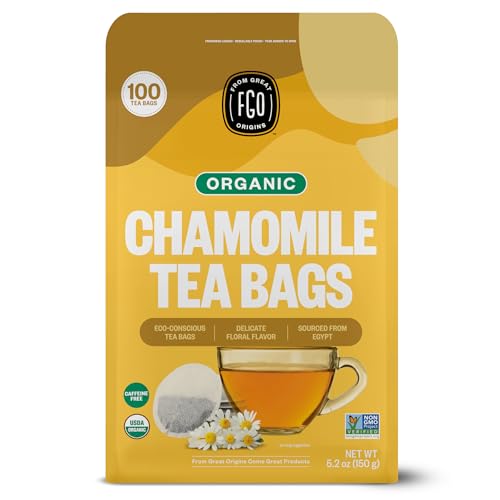
FGO Organic Chamomile Tea, 100 Count, Eco-Conscious Tea Bags, Resealable Bag, Packaging May Vary (Pack of 1)
Tastes Like: delicate, floral, and slightly earthy 100 ECO-CONSCIOUS TEA BAGS - Our premium tea bags are constructed of Abacá Hemp Fiber Paper. They are free of dyes, adhesive, glue and chlorine bleach. No staples, strings, bags or extra waste - just delicious
$21.99
Buy NowAs an Amazon Associate, we earn from qualifying purchases. Prices and availability may vary.
How We Ranked These Teas
We evaluated each tea based on its active compounds, traditional use, and available research for this specific health concern.
Quick Comparison
| Rank | Tea | Score | Key Compound | Caffeine | Best Time |
|---|---|---|---|---|---|
| 1 | Chamomile Tea | 9/10 | Apigenin | Caffeine-free | For optimal relaxation benefits, steep 1... |
| 2 | Lavender Tea | 9/10 | Linalool | Caffeine-free | For maximum relaxation benefits, steep 1... |
| 3 | Rooibos (Red Bush) | 7/10 | — | Caffeine-free | — |
| 4 | Peppermint Tea | 6/10 | — | Caffeine-free | — |
| 5 | Spearmint Tea | 6/10 | — | Caffeine-free | — |
| 6 | Hibiscus Tea | 6/10 | — | Caffeine-free | — |
| 7 | Green Rooibos | 6/10 | — | Caffeine-free | — |
| 8 | Ginger Tea | 6/10 | — | Caffeine-free | — |
| 9 | Turmeric Tea | 6/10 | — | Caffeine-free | — |
| 10 | Lemon Balm Tea | 6/10 | — | Caffeine-free | — |
You might also be interested in
Frequently Asked Questions
Is Chamomile Tea good for Relaxation?▼
The #1 tea for Relaxation is Chamomile Tea.
How much Chamomile Tea should I drink for Relaxation?▼
For relaxation purposes, 1-3 cups of chamomile tea daily is recommended, with the most effective timing being 30-60 minutes before bedtime or during stressful periods. Start with one cup daily to assess your body's response, then gradually increase as needed. Consistent daily consumption often provides the most significant cumulative relaxation benefits.
When should I drink Chamomile Tea for Relaxation?▼
Drink Chamomile Tea 30 minutes before or after meals for best absorption. For Relaxation, a morning and afternoon cup is ideal.
Are there side effects of Chamomile Tea for Relaxation?▼
Individuals with allergies to plants in the daisy family (ragweed, chrysanthemums, marigolds) should avoid chamomile tea as it may trigger allergic reactions. Pregnant women should consult their healthcare provider before regular use, as chamomile may have mild uterine stimulant effects.
Can I combine Chamomile Tea with other teas for Relaxation?▼
Yes, you can combine Chamomile Tea with other teas for Relaxation. However, monitor your total caffeine intake and consult a professional if you take medications.