Best Tea for Inflammation
Reducing chronic inflammation
Top 10 teas ranked by effectiveness
🏆 The #1 tea for Inflammation is Turmeric Tea.
Turmeric tea derives its powerful anti-inflammatory properties primarily from curcumin, a bioactive compound that gives turmeric its distinctive golden color. Research indicates that curcumin works by inhibiting multiple inflammatory pathways in the body, including the nuclear factor-kappa B (NF-κB) pathway, which is a key regulator of inflammatory responses.
Score: 10/10
Turmeric Tea
10/10Why it helps:
Turmeric tea derives its powerful anti-inflammatory properties primarily from curcumin, a bioactive compound that gives turmeric its distinctive golden color. Research indicates that curcumin works by inhibiting multiple inflammatory pathways in the body, including the nuclear factor-kappa B (NF-κB) pathway, which is a key regulator of inflammatory responses. Studies suggest that curcumin can reduce the production of pro-inflammatory cytokines such as tumor necrosis factor-alpha (TNF-α) and interleukin-6 (IL-6), while promoting the activity of anti-inflammatory enzymes. This multi-target approach makes turmeric tea particularly effective for managing chronic inflammation, which underlies many health conditions including arthritis, cardiovascular disease, and metabolic disorders. Beyond curcumin, turmeric contains other curcuminoids like demethoxycurcumin and bisdemethoxycurcumin, which work synergistically to enhance the overall anti-inflammatory effect. The presence of volatile oils such as turmerone and ar-turmerone further contributes to turmeric's therapeutic properties by supporting curcumin absorption and providing additional anti-inflammatory benefits. Clinical studies have demonstrated that regular consumption of turmeric can significantly reduce inflammatory markers in the blood, with some research showing effects comparable to certain non-steroidal anti-inflammatory drugs (NSAIDs) but with fewer side effects. The anti-inflammatory action of turmeric tea is enhanced when consumed with black pepper or healthy fats, which improve curcumin's bioavailability and allow the...
Key compounds:
Brewing tip: For maximum anti-inflammatory benefits, steep 1 teaspoon of turmeric powder or fresh grated turmeric root in 200°F water for 10-15 minutes. Add a pinch of black pepper and a small amount of coconut oil or milk to enhance curcumin absorption. Drink on an empty stomach or between meals for optimal uptake.
Dosage: Consume 1-2 cups of turmeric tea daily for anti-inflammatory support, ideally spacing them throughout the day. For acute inflammation, drinking one cup in the morning and another in the evening can provide consistent therapeutic levels. Start with one cup daily and gradually increase to assess tolerance.
Ginger Tea
8/10Why it helps:
Ginger tea has gained significant attention in the medical community for its potent anti-inflammatory properties, primarily attributed to its rich concentration of bioactive compounds called gingerols and shogaols. Research indicates that these compounds work by inhibiting the production of pro-inflammatory cytokines and enzymes, particularly cyclooxygenase (COX) and lipoxygenase, which are key players in the inflammatory cascade. Studies suggest that regular consumption of ginger tea can help reduce markers of inflammation such as C-reactive protein (CRP) and interleukin-6 (IL-6) in the bloodstream. The anti-inflammatory mechanism of ginger operates on multiple levels within the body's immune response system. Clinical trials have demonstrated that ginger's active compounds can suppress nuclear factor-kappa B (NF-κB), a protein complex that regulates immune responses and inflammation. When NF-κB is overactive, it triggers chronic inflammation, which has been linked to various health conditions including arthritis, cardiovascular disease, and metabolic disorders. By modulating this pathway, ginger tea may help break the cycle of chronic inflammation. Furthermore, research indicates that ginger's anti-inflammatory effects extend beyond simple symptom relief to potentially addressing root causes of inflammatory conditions. Studies suggest that the antioxidant properties of ginger compounds work synergistically with their anti-inflammatory actions, helping to neutralize free radicals that can perpetuate inflammatory...
Key compounds:
Brewing tip: For maximum anti-inflammatory benefits, steep fresh ginger slices or 1-2 teaspoons of dried ginger in water heated to 200-212°F for 10-15 minutes. Cover during steeping to prevent volatile compounds from escaping. Drink warm, preferably between meals to optimize absorption of active compounds.
Dosage: Research suggests consuming 1-3 cups of ginger tea daily for optimal anti-inflammatory effects, with the most benefit seen when spread throughout the day. Start with one cup daily and gradually increase to assess tolerance, as some individuals may experience digestive sensitivity with higher amounts.

Chamomile Tea
7/10Hibiscus Tea
7/10Rosehip Tea
7/10Nettle Tea
7/10
Moringa Tea
7/10
Sencha
6/10
Gyokuro
6/10
Matcha
6/10🛒Shop Turmeric Tea Inflammation on Amazon
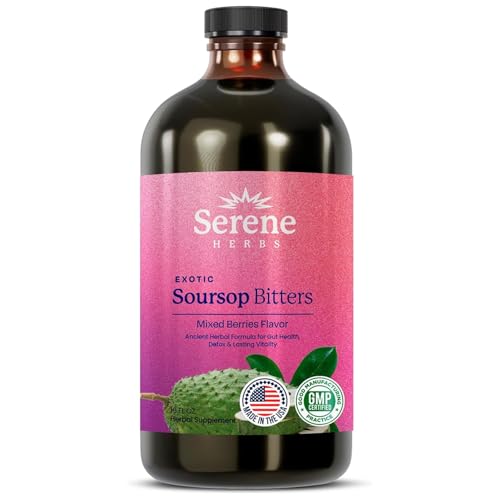
Serene Herbs Soursop Bitters Liquid with Soursop Leaves for Gut Cleanse, Detox & Immune Boost with Black Seed, Moringa, Irish Moss, Ashwaganda, Turmeric, 16 fl oz (16 Fl Oz (Pack of 1), Mixed Berry)
HERBAL FORMULA FOR DIGESTIVE SUPPORT Serene Herbs Soursop Bitters is made with traditional herbs like soursop leaves, black seed, and moringa, known for their natural role in supporting healthy digestion and gut wellness
$37.99
Buy Now
Serene Herbs Soursop Bitters Liquid with Soursop Leaves for Gut Cleanse, Detox & Immune Boost with Black Seed, Moringa, Irish Moss, Ashwaganda, Turmeric, 16 fl oz (16 Fl, Soursop)
HERBAL FORMULA FOR DIGESTIVE SUPPORT Serene Herbs Soursop Bitters is made with traditional herbs like soursop leaves, black seed, and moringa, known for their natural role in supporting healthy digestion and gut wellness
$37.99
Buy Now
LeafLea 40 Turmeric Ginger Cinnamon Tea Bags, 100% Natural Ingredients Herbal Tea, Turmeric Ginger Herbal Blend for Wellness, Vegan, No Sugar, Caffeine-Free, Individually Wrapped for Freshness
100% Pure Natural: Turmeric (70%), Ginger (20%) & Cinnamon (10%) – Our premium turmeric ginger cinnamon tea bags are crafted using only the finest natural ingredients. No pesticides, herbicides, or artificial additives. Completely free from sugar, caffeine, an
$12.20
Buy Now
Yogi Tea, Honey Chai Turmeric Vitality, 16 ct
FLAVOR: This intriguing Chai tea blend combines delicious Ayurvedic warming spices, including Cinnamon, Cardamom, Ginger, and Clove; with Organic Honey Flavor for a richly spiced and lightly sweet Chai tea blend. BENEFITS: Turmeric, traditionally used in Ayurv
$4.46
Buy Now
120 Premium Turmeric, Ginger, Cinnamon Blend Tea Bags, 100% Natural & No Additives & Caffeine Free.
Selected premium ingredients, turmeric, ginger, cinnamon as ingredients, scientific ratio, mellow and nourishing taste, please enjoy it! Our turmeric ginger tea, ingredients are from natural farms, raw materials throughout the growth process, without the use o
$14.95
Buy Now
VAHDAM Organic Turmeric Ginger Herbal Tea Bags (100 Pyramid Tea Bags) Caffeine Free, Non GMO | 100% Pure Herbal Blend - Savory & Spicy, Plant-Based Teabags | Resealable Ziplock Pouch
Harvested in India - Turmeric Ginger Herbal Tea crafted with earthy turmeric and zesty ginger sourced directly from Indian farms with no middlemen involved, grown sustainably and free from artificial flavors. Zesty Ginger Tea - The vibrant blend of exotic ingr
$19.99
Buy NowAs an Amazon Associate, we earn from qualifying purchases. Prices and availability may vary.
How We Ranked These Teas
We evaluated each tea based on its active compounds, traditional use, and available research for this specific health concern.
Quick Comparison
| Rank | Tea | Score | Key Compound | Caffeine | Best Time |
|---|---|---|---|---|---|
| 1 | Turmeric Tea | 10/10 | Curcumin | Caffeine-free | For maximum anti-inflammatory benefits, ... |
| 2 | Ginger Tea | 8/10 | Gingerol | Caffeine-free | For maximum anti-inflammatory benefits, ... |
| 3 | Chamomile Tea | 7/10 | — | Caffeine-free | — |
| 4 | Hibiscus Tea | 7/10 | — | Caffeine-free | — |
| 5 | Rosehip Tea | 7/10 | — | Caffeine-free | — |
| 6 | Nettle Tea | 7/10 | — | Caffeine-free | — |
| 7 | Moringa Tea | 7/10 | — | Caffeine-free | — |
| 8 | Sencha | 6/10 | — | 30-50mg caffeine | — |
| 9 | Gyokuro | 6/10 | — | 35-45mg caffeine | — |
| 10 | Matcha | 6/10 | — | 60-70mg caffeine | — |
You might also be interested in
Frequently Asked Questions
Is Turmeric Tea good for Inflammation?▼
The #1 tea for Inflammation is Turmeric Tea.
How much Turmeric Tea should I drink for Inflammation?▼
Consume 1-2 cups of turmeric tea daily for anti-inflammatory support, ideally spacing them throughout the day. For acute inflammation, drinking one cup in the morning and another in the evening can provide consistent therapeutic levels. Start with one cup daily and gradually increase to assess tolerance.
When should I drink Turmeric Tea for Inflammation?▼
Drink Turmeric Tea 30 minutes before or after meals for best absorption. For Inflammation, a morning and afternoon cup is ideal.
Are there side effects of Turmeric Tea for Inflammation?▼
People taking blood-thinning medications, those with gallstones, or individuals scheduled for surgery should consult their healthcare provider before consuming turmeric tea regularly. Pregnant women should limit intake as high doses may stimulate uterine contractions.
Can I combine Turmeric Tea with other teas for Inflammation?▼
Yes, you can combine Turmeric Tea with other teas for Inflammation. However, monitor your total caffeine intake and consult a professional if you take medications.