Bester Tee für Verdauung
Allgemeine Verdauungsgesundheit und Darmfunktion
Top 10 Tees nach Wirksamkeit sortiert
🏆 The #1 tea for Verdauung is Peppermint Tea.
Peppermint tea has been recognized for centuries as a natural digestive aid, and modern research indicates its effectiveness stems from several powerful bioactive compounds. Studies suggest that the primary mechanism behind peppermint's digestive benefits lies in its ability to relax the smooth muscles of the gastrointestinal tract, particularly through calcium channel blocking properties.
Bewertung: 10/10
Peppermint Tea
10/10Warum es hilft:
Peppermint tea has been recognized for centuries as a natural digestive aid, and modern research indicates its effectiveness stems from several powerful bioactive compounds. Studies suggest that the primary mechanism behind peppermint's digestive benefits lies in its ability to relax the smooth muscles of the gastrointestinal tract, particularly through calcium channel blocking properties. This muscle relaxation helps reduce spasms and cramping while promoting more efficient movement of food through the digestive system. Research indicates that peppermint's antispasmodic effects are particularly beneficial for individuals suffering from irritable bowel syndrome (IBS) and general digestive discomfort. Clinical trials have shown that peppermint oil can significantly reduce abdominal pain, bloating, and gas formation. The menthol compound activates specific receptors in the digestive tract that help modulate pain signals and reduce inflammation, creating a soothing effect on irritated intestinal walls. Studies suggest that peppermint tea also stimulates bile production and flow, which is essential for proper fat digestion and absorption. The enhanced bile secretion helps break down dietary fats more efficiently, reducing feelings of heaviness and indigestion after meals. Additionally, research indicates that peppermint's antimicrobial properties may help maintain healthy gut bacteria balance by inhibiting harmful microorganisms while supporting beneficial flora. The carminative properties of...
Wichtige Wirkstoffe:
Zubereitungstipp: For optimal digestive benefits, steep 1-2 teaspoons of dried peppermint leaves in 200°F water for 5-7 minutes to extract the therapeutic volatile oils without destroying heat-sensitive compounds. Cover the cup while steeping to prevent the beneficial essential oils from evaporating. Drink 20-30 minutes after meals for best digestive support.
Dosierung: For digestive health, consume 1-3 cups of peppermint tea daily, ideally after meals when digestive support is most needed. Start with one cup after your largest meal and gradually increase if well-tolerated. Avoid drinking more than 3 cups daily as excessive amounts may cause heartburn in sensitive individuals.
Ginger Tea
9/10Warum es hilft:
Ginger tea has been recognized for centuries as a powerful digestive aid, and modern research continues to validate its traditional uses. Studies suggest that ginger's primary bioactive compounds, particularly gingerols and shogaols, work synergistically to enhance digestive function through multiple mechanisms. Research indicates that these compounds stimulate digestive enzyme production, increase gastric motility, and help coordinate the complex muscular contractions that move food through the digestive tract. The digestive benefits of ginger tea are largely attributed to its ability to accelerate gastric emptying, which is the process by which food moves from the stomach to the small intestine. Studies suggest that ginger can reduce gastric emptying time by up to 25%, helping prevent the uncomfortable feeling of food sitting heavily in the stomach. Additionally, research indicates that ginger's anti-inflammatory properties help soothe the digestive tract lining, reducing irritation that can lead to indigestion and discomfort. Ginger tea also demonstrates remarkable efficacy in managing nausea and motion sickness, conditions closely linked to digestive function. Research indicates that gingerols interact with serotonin receptors in the digestive system, helping to regulate the signals that trigger nausea and vomiting. Furthermore, studies suggest that regular consumption of ginger tea may help maintain healthy gut bacteria...
Wichtige Wirkstoffe:
Zubereitungstipp: For optimal digestive benefits, steep 1-2 teaspoons of fresh grated ginger or 1 teaspoon of dried ginger in 200°F water for 10-15 minutes. Drink 20-30 minutes before meals to stimulate digestive enzymes, or immediately after eating to aid digestion and reduce bloating.
Dosierung: Consume 1-3 cups of ginger tea daily for digestive support, spacing them around meal times. Start with one cup to assess tolerance, as ginger can be quite potent. For acute digestive discomfort, sip small amounts throughout the day rather than consuming large quantities at once.
Fenchel-Tee
9/10Warum es hilft:
Fennel tea has been treasured for centuries as a natural digestive aid, and modern research indicates its effectiveness stems from powerful bioactive compounds that work synergistically to support healthy digestion. Studies suggest that fennel's primary active compounds, particularly anethole and fenchone, help relax the smooth muscles of the gastrointestinal tract, reducing spasms and cramping that can cause digestive discomfort. This antispasmodic action makes fennel tea particularly effective for relieving symptoms of indigestion, bloating, and gas. Research indicates that fennel's carminative properties help expel trapped gas from the digestive system while stimulating the production of digestive enzymes and gastric juices. The volatile oils in fennel seeds contain compounds that enhance gastric motility, helping food move more efficiently through the digestive tract and reducing the likelihood of fermentation that leads to uncomfortable bloating and gas formation. Clinical studies have shown that fennel can significantly reduce symptoms of functional dyspepsia and irritable bowel syndrome. The anti-inflammatory properties of fennel's flavonoids and phenolic compounds also contribute to digestive health by soothing inflamed intestinal tissues and supporting the integrity of the gut lining. Studies suggest that regular consumption of fennel tea may help maintain a healthy balance of gut bacteria, as its antimicrobial properties can...
Wichtige Wirkstoffe:
Zubereitungstipp: For optimal digestive benefits, crush 1-2 teaspoons of fennel seeds lightly before brewing to release more volatile oils. Steep in water heated to 200°F for 8-10 minutes to extract maximum therapeutic compounds. Drink 15-20 minutes after meals when digestive enzymes are most active.
Dosierung: For digestive support, consume 1-3 cups of fennel tea daily, ideally after meals or when experiencing digestive discomfort. The most effective timing is 15-30 minutes after eating to support the natural digestive process. Start with one cup daily and gradually increase if needed, as individual tolerance may vary.

Chamomile Tee
8/10Warum es hilft:
Chamomile tea has been traditionally used for centuries as a digestive aid, and modern research indicates that its effectiveness stems from several bioactive compounds that work synergistically to support gastrointestinal health. Studies suggest that chamomile's anti-inflammatory and antispasmodic properties help relax the smooth muscles of the digestive tract, reducing cramping, bloating, and discomfort associated with indigestion. The herb's gentle nature makes it particularly effective for calming an upset stomach and promoting overall digestive wellness. Research indicates that chamomile's primary therapeutic compounds, particularly apigenin and bisabolol, interact with specific receptors in the digestive system to produce calming effects. Apigenin binds to benzodiazepine receptors in the gut, helping to reduce muscle spasms and tension that can interfere with normal digestion. Meanwhile, bisabolol provides anti-inflammatory action that may help soothe irritated intestinal lining and reduce digestive inflammation. Studies suggest that chamomile may also stimulate the production of digestive enzymes and bile, which are essential for breaking down food and absorbing nutrients effectively. The herb's mild bitter compounds can trigger the digestive cascade, preparing the stomach for food processing. Additionally, research indicates that chamomile's antimicrobial properties may help maintain a healthy balance of gut bacteria, supporting overall digestive function and reducing the risk of...
Wichtige Wirkstoffe:
Zubereitungstipp: For optimal digestive benefits, steep 1-2 teaspoons of dried chamomile flowers in 200°F water for 5-10 minutes to extract maximum therapeutic compounds. Cover the cup while steeping to prevent volatile oils from escaping. Drink 30 minutes after meals for best digestive support.
Dosierung: Most people benefit from 1-3 cups of chamomile tea daily, particularly after meals or when experiencing digestive discomfort. For ongoing digestive support, drink one cup after lunch and dinner. Avoid exceeding 4 cups daily to prevent potential interactions or sensitivities.
Turmeric Tea
7/10Löwenzahnwurzel-Tee
7/10Süßholzwurzel-Tee
7/10
Pu-erh Tea
6/10Sheng (Raw) Pu-erh
6/10Shou (Ripe) Pu-erh
6/10🛒Peppermint Tea Verdauung auf Amazon kaufen

Yogi Tea Lemon Ginger Tea - 16 Bags per Pack (6 Packs) - Organic Ginger Root Tea to Support Healthy Digestion - Includes Lemongrass, Lemon Flavor, Licorice Root, Lemon Peel & More
Organic Ginger Tea: Yogi Lemon Ginger tea is a lively, herbal blend that combines tart Lemon and refreshing Peppermint with Ginger Ginger Root Tea: Enjoy these Ginger tea bags when your tummy needs a little taming, or whenever you want to enjoy a deliciously f
$26.76
Jetzt kaufen
Twinings Pure Peppermint Herbal Tea Individually Wrapped Bags, 100 Count (Pack of 1), Fresh Minty Flavour, Naturally Caffeine-Free, Enjoy Hot or Iced, 100 Teabags
PURE PEPPERMINT TEA: Refreshing herbal tea expertly blended using only pure peppermint to deliver an invigorating tea with an uplifting aroma and fresh mint taste; Naturally Caffeine Free Herbal, 100 Tea Bags DID YOU KNOW: Herbal "tea" isn't technically tea, a
$12.91
Jetzt kaufen
Twinings Pure Peppermint Herbal Tea Individually Wrapped Bags, 20 Count (Pack of 1), Fresh Minty Flavour, Naturally Caffeine-Free, Enjoy Hot or Iced, 20 Teabags
PEPPERMINT TEA: Refreshing herbal tea expertly blended using only pure peppermint to deliver an invigorating tea with an uplifting aroma and fresh mint taste; Naturally Caffeine Free, 20 Count, Pack of 1 DID YOU KNOW: Herbal "tea" isn't technically tea, as it'
$3.97
Jetzt kaufen
Traditional Medicinals Organic, Peppermint Tea - Helps Soothe Belly from Occasional Gas and Bloating - Kosher, Non-GMO, Caffeine-Free, Compostable - 16 Tea Bags
Herbal teas: Organic Peppermint tea soothes your belly and alleviates digestive discomfort* Taste: Our peppermint tea bags are aromatic, refreshing and undeniably minty
$5.88
Jetzt kaufen
Amazon Grocery, Peppermint Herbal Tea Bags, 20 Ct
One box with 20 bags of Peppermint Herbal Tea Some of your favorite Happy Belly products are now part of the Amazon Grocery brand! Although packaging may vary during the transition, the ingredients and product remain the same. Thank you for your continued trus
$2.82
Jetzt kaufen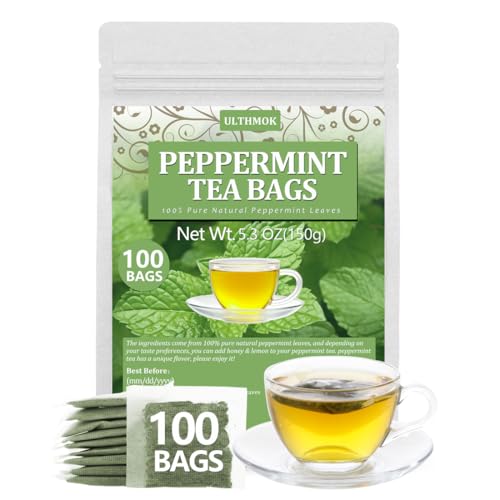
Premium Peppermint Tea Bags, 100 Tea Bags, Made with 100% Natural Peppermint Leaves, No Additives & Caffeine Free.
Peppermint is grown on natural farms, pure & pollution-free. Peppermint leaves are grown without any chemicals use. Peppermint Leaves are picked in mid-July, when they are fully ripe and have the highest nutritional value and flavor.
$9.95
Jetzt kaufenAls Amazon-Partner verdienen wir an qualifizierten Verkäufen. Preise und Verfügbarkeit können variieren.
So haben wir diese Tees bewertet
Wir haben jeden Tee anhand seiner Wirkstoffe, traditionellen Verwendung und verfügbaren Forschung für dieses spezifische Gesundheitsthema bewertet.
Schnellvergleich
| Rang | Tee | Bewertung | Wirkstoff | Caffeine | Best Time |
|---|---|---|---|---|---|
| 1 | Peppermint Tea | 10/10 | Menthol | Caffeine-free | For optimal digestive benefits, steep 1-... |
| 2 | Ginger Tea | 9/10 | Gingerols | Caffeine-free | For optimal digestive benefits, steep 1-... |
| 3 | Fenchel-Tee | 9/10 | Anethole | Caffeine-free | For optimal digestive benefits, crush 1-... |
| 4 | Chamomile Tee | 8/10 | Apigenin | Caffeine-free | For optimal digestive benefits, steep 1-... |
| 5 | Turmeric Tea | 7/10 | — | Caffeine-free | — |
| 6 | Löwenzahnwurzel-Tee | 7/10 | — | Caffeine-free | — |
| 7 | Süßholzwurzel-Tee | 7/10 | — | Caffeine-free | — |
| 8 | Pu-erh Tea | 6/10 | — | 30-50mg caffeine | — |
| 9 | Sheng (Raw) Pu-erh | 6/10 | — | 30-50mg caffeine | — |
| 10 | Shou (Ripe) Pu-erh | 6/10 | — | 30-50mg caffeine | — |
Das könnte dich auch interessieren
Häufig gestellte Fragen
Ist Peppermint Tea gut für Verdauung?▼
Der beste Tee für Verdauung ist Peppermint Tea.
Wie viel Peppermint Tea sollte ich für Verdauung trinken?▼
For digestive health, consume 1-3 cups of peppermint tea daily, ideally after meals when digestive support is most needed. Start with one cup after your largest meal and gradually increase if well-tolerated. Avoid drinking more than 3 cups daily as excessive amounts may cause heartburn in sensitive individuals.
Wann sollte ich Peppermint Tea für Verdauung trinken?▼
Trinke Peppermint Tea 30 Minuten vor oder nach den Mahlzeiten für beste Aufnahme. Für Verdauung ist eine Tasse morgens und nachmittags ideal.
Gibt es Nebenwirkungen von Peppermint Tea bei Verdauung?▼
Individuals with gastroesophageal reflux disease (GERD) or severe heartburn should use caution, as peppermint may relax the lower esophageal sphincter and worsen symptoms. Pregnant women should consult healthcare providers before regular consumption, and those with gallstones should avoid peppermint tea as it may trigger gallbladder contractions.
Kann ich Peppermint Tea mit anderen Tees für Verdauung kombinieren?▼
Ja, du kannst Peppermint Tea mit anderen Tees für Verdauung kombinieren. Achte jedoch auf deine Gesamtkoffeinaufnahme und konsultiere einen Fachmann, falls du Medikamente einnimmst.